15 Habits Destroying Your Brain (And How To Stop Them Today)
Did you know everyday habits could be silently destroying your brain? Learn how to identify and fix these harmful behaviors for better brain health.
Author:Suleman ShahReviewer:Han JuDec 18, 20244.6K Shares213.5K Views

Your brain is the control center of your body, influencing every thought, emotion, and action. Did you know that your brain processes over 70,000 thoughts a day and uses 20% of your body’s total energy?
Yet, many of us unknowingly engage in habits that silently undermine its health. From memory lapses to mental fatigue, the consequences of these habits can creep up over time, affecting not just your cognitive abilities but your overall well-being.
The good news? By identifying and addressing these harmful behaviors, you can preserve your brain's vitality and even reverse some damage.
Let’s uncover 15 everyday habits that might be harming your brain and explore actionable strategies to break free from them.
Why Brain Health Matters
Your brain is an extraordinary organ, processing thousands of thoughts daily, storing memories, and coordinating physical movements. Despite its incredible capabilities, it is also vulnerable to damage.
Poor lifestyle choices can accelerate cognitive decline, leading to memory problems, reduced focus, and even severe conditions like Alzheimer’s or dementia.
Studies have shown that brain health is strongly influenced by everyday behaviors. For example, research published in the journal Neurologyhighlights how lifestyle factors like diet and exercise can reduce the risk of cognitive decline by up to 60%.
Factors like diet, sleep, and stress management play crucial roles in maintaining mental sharpness. Unfortunately, the modern lifestyle-characterized by long working hours, digital overload, and unhealthy eating-poses significant challenges to brain health.
Prioritizing brain care isn’t just about avoiding disease; it’s about optimizing your life. A healthy brain boosts productivity, emotional resilience, and quality of life.
Brain-Damaging Habits: Lifestyle Choices That Hurt
1. Skipping Breakfast

Breakfast is often called the most important meal of the day, and for good reason. Imagine trying to run a marathon without any fuel; that’s how your brain feels when you skip breakfast. Deprived of essential nutrients, your brain may struggle to keep up, leading to sluggishness and difficulty concentrating throughout the day.
How to Fix It:Opt for a nutrient-rich breakfast, including whole grains, fruits, and healthy fats like avocado. Foods rich in omega-3s, such as chia seeds, can also enhance brain function.
Breakfast is often called the most important meal of the day, and for good reason. Your brain needs a steady supply of glucose to function optimally.
Skipping breakfast deprives it of essential nutrients, leading to lower energy levels and decreased cognitive performance.
You Might Like: The 7 Best Breakfast Ideas For Healthy Skin
2. Too Much Salt

High sodium intake raises blood pressure, which increases the risk of strokes and cognitive deficits. Excessive salt also damages blood vessels in the brain, reducing oxygen supply and impairing mental performance.
How to Fix It:Reduce sodium consumption by avoiding processed foods and seasoning meals with herbs and spices instead. Aim for less than 1,500 mg of sodium daily, as recommended by the American Heart Association.
3. Overeating

Consuming excessive calories-even from healthy foods-can lead to obesity, insulin resistance, and inflammation, all of which are linked to cognitive decline and neurodegenerative diseases.
How to Fix It:Practice portion control and mindful eating. Focus on balanced meals with plenty of vegetables, lean proteins, and healthy fats. Try using smaller plates to naturally reduce portion sizes.
4. Sleep Deprivation

Sleep is essential for consolidating memories and removing toxins from the brain. Chronic sleep deprivationleads to memory loss, reduced focus, and impaired decision-making over time. Without adequate sleep, harmful by-products accumulate, potentially causing long-term damage.
How to Fix It:Aim for 7–8 hours of quality sleep each night. Use tools like sleep tracking apps (e.g., Sleep Cycle) and establish a calming bedtime routine to improve sleep quality.
Cognitive And Social Habits That Harm Your Brain
5. Negative Thinking
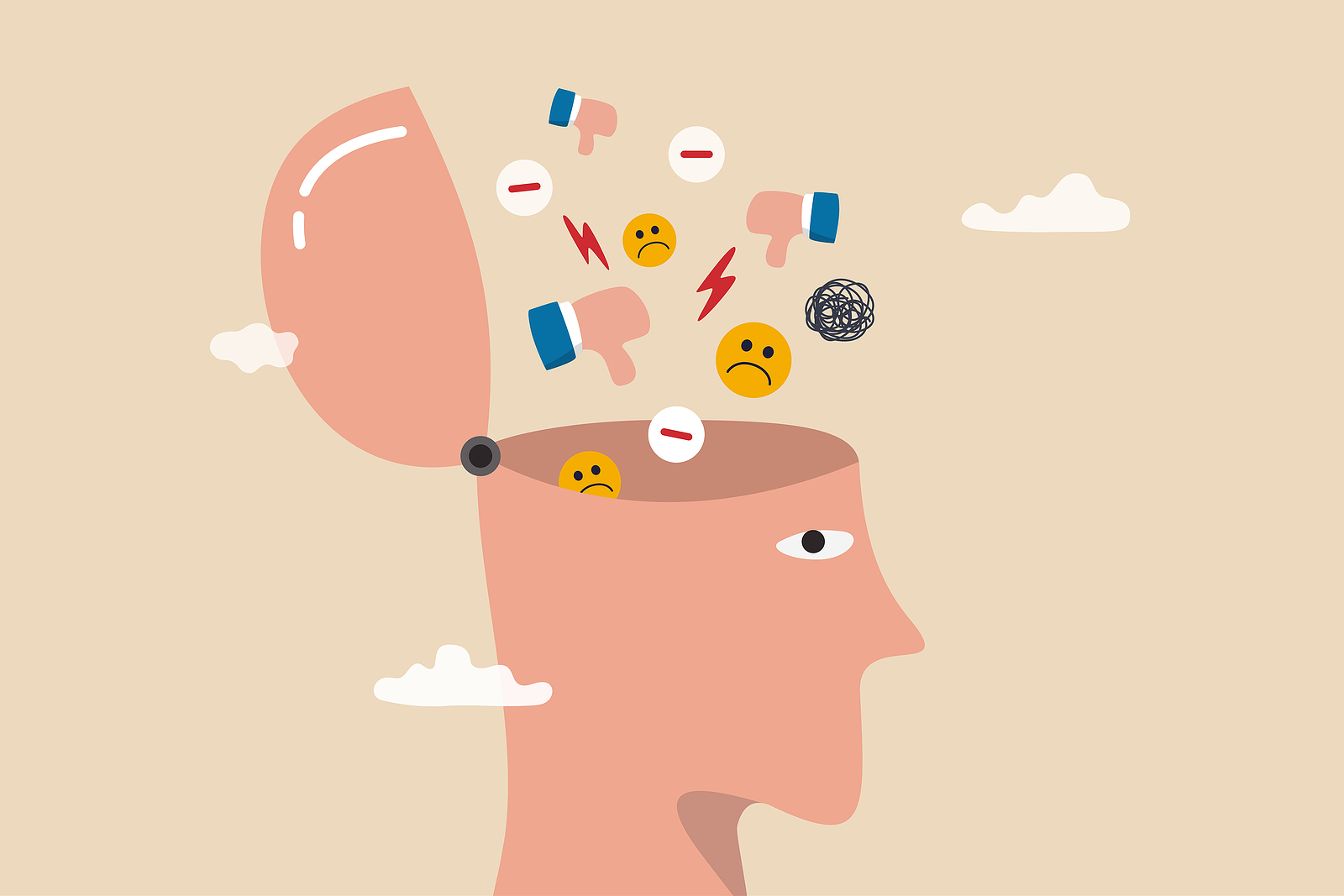
Chronic negative thoughts and self-criticism disrupt the neurochemical balance of the brain, impacting mood and cognitive function. Over time, persistent negativity may even contribute to Alzheimer’s disease.
How to Fix It:Practice mindfulness and gratitude journaling. Positive affirmations can also help reframe your mindset over time. Apps like Headspaceor Calm can guide you through mental exercises to foster positivity.
6. Ignoring Social Connections

Loneliness and isolation accelerate brain aging and increase the risk of cognitive decline. Quality relationships are key to emotional and mental well-being.
How to Fix It:Strengthen relationships by scheduling regular meet-ups with friends and family. Join social groups, attend community events, or participate in hobbies that involve others. Even virtual meet-ups can make a difference.
7. Talking Rarely
Engaging in meaningful conversations stimulates the brain, promoting cognitive health and emotional resilience. Rarely engaging in intellectual conversations can reduce mental efficiency over time.
How to Fix It:Set aside time to have deep, meaningful discussions. Join book clubs, participate in debates, or simply ask thought-provoking questions during everyday conversations.
8. Lack Of Mental Stimulation
A brain deprived of stimulating activities can lose its neuroplasticity and weaken over time. Without challenges, neural connections shrink, increasing the risk of cognitive decline.
How to Fix It:Engage in activities like puzzles, reading, learning new skills, or playing strategy games to keep your brain active and healthy. Apps like Lumosityand Peakoffer brain-training exercises tailored to different cognitive areas.
Environmental And Technology-Driven Habits
9. Over-reliance On Technology

Constant exposure to screens and multitasking with technologyoverloads the brain, reducing attention span and impairing memory retention.
How to Fix It:Practice digital detoxing. Set aside time each day to disconnect from devices and engage in offline activities like journaling, reading, or taking a walk in nature.
10. Blasting Headphones

With your earbuds at full volume, you can permanently damage your hearing in only 30 minutes. This hearing loss is linked to brain problems, such as Alzheimer’s and loss of brain tissue.
How to Fix It:Turn down the volume to no louder than 60% of your device’s maximum. Limit listening sessions to under two hours at a time. Consider using noise-cancelling headphones to reduce the need for high volume.
11. Staying In The Dark Too Much
If you don’t get enough natural light, you may get depressed, and that can slow your brain. Sunlight helps keep your brain working well by regulating your mood and sleep cycles.
How to Fix It:Spend at least 15 minutes outdoors daily and keep indoor spaces well-lit with natural light. Use light therapylamps during darker seasons to improve mood and focus.
Health-Related Habits With Serious Consequences
12. Smoking And Alcohol

Smoking causes oxidative stress and inflammation, while excessive alcohol intake leads to neurotoxicity and brain shrinkage. Both significantly increase the risk of dementia.
How to Fix It:Seek professional help if substance use is an issue. Focus on brain-healthy habits like balanced nutrition, exercise, and therapy. Reducing alcohol intake gradually can help minimize withdrawal effects.
13. Chronic Stress
Prolonged stress floods your brain with cortisol, a hormone that, in excess, can kill brain cells and shrink the hippocampus-the area responsible for memory and learning.
How to Fix It:Incorporate stress-relief techniques into your routine, such as deep breathing exercises, meditation, or yoga. Apps like Calm or Insight Timer can guide you through stress-reduction practices.
14. Head Covered While Sleeping

Sleeping with your head covered can increase carbon dioxide levels while reducing oxygen intake, which may impair brain function over time.
How to Fix It:Avoid covering your head while sleeping to ensure optimal oxygen flow. Ensure your bedroom is well-ventilated to maintain air quality.
15. Ignoring Health Issues
Untreated conditions like hypertension, diabetes, and depression can lead to brain damage and cognitive decline. Regular health monitoring is crucial for prevention.
How to Fix It:Visit your healthcare provider regularly to address health concerns proactively and maintain overall wellness.
How To Protect And Improve Brain Health
- Eat Brain-Boosting Foods:Incorporate omega-3 fatty acids, antioxidants, and vitamins. Foods like salmon, blueberries, dark chocolate, and green tea are excellent choices.
- Stay Mentally Active:Engage in puzzles, reading, or learning a new skill to keep your brain sharp. Creative hobbies like painting or playing an instrument are also beneficial.
- Exercise Regularly:Physical activity increases blood flow to the brain and supports neurogenesis. Aim for at least 150 minutes of moderate exercise per week.
- Prioritize Sleep:Good sleep hygiene is essential for memory and focus. Use apps to track your sleep patterns and optimize your bedtime routine.
- Manage Stress:Techniques like meditation, yoga, or engaging in relaxing hobbies can help lower stress levels.
- Build Strong Relationships:Meaningful social interactions enhance emotional and cognitive health. Volunteer work or joining group activities can help foster connections.
- Protect Your Hearing:Use earplugs in noisy environments and limit headphone use to preserve hearing and brain function.
- Monitor Your Salt and Sugar Intake:Reduce sodium and added sugar to avoid high blood pressure and insulin resistance.
- Stay Hydrated:Dehydration impacts focus and memory, so ensure you drink enough water daily.
- Protect Against Head Injuries:Use helmets during activities like biking to prevent traumatic brain injuries.
Checklist For Better Brain Health
Avoid These Habits:
- Skipping breakfast.
- Excessive salt and sugar intake.
- Overeating.
- Chronic stress.
- Smoking and alcohol abuse.
Adopt These Habits:
- Eat brain-boosting foods like salmon, nuts, and berries.
- Exercise for at least 30 minutes a day.
- Prioritize 7–8 hours of sleep each night.
- Stay socially active and build meaningful relationships.
- Protect your hearing and avoid noisy environments.
FAQs About Brain-Damaging Habits
What Are The Early Signs Of Brain Damage From Bad Habits?
Common early signs include forgetfulness, difficulty concentrating, mood swings, and mental fatigue.
How Does Multitasking Affect Brain Health?
Multitasking reduces focus and impairs memory. Over time, it can lead to mental fatigue and reduced productivity.
Can Brain Cells Regenerate If You Quit Bad Habits?
Yes, to an extent. The brain’s neuroplasticity allows it to recover with the right lifestyle changes, such as exercise and mental stimulation.
How Much Salt Is Safe For Brain Health?
The American Heart Association recommends no more than 1,500 mg of sodium daily for optimal brain and heart health.
What Are The Best Activities To Boost Brain Health?
Activities like puzzles, learning a new language, engaging in meaningful conversations, and regular physical exercise are great for boosting cognitive function.
What Role Does Hydration Play In Brain Health?
Proper hydration improves focus, memory, and overall cognitive function. Even mild dehydration can negatively affect mental performance.
Are Brain Supplements Effective?
Some supplements like omega-3s and vitamin D have shown potential benefits, but they should complement a healthy diet and lifestyle, not replace them.
Final Words
Your brain is your greatest asset, and protecting its health is crucial for leading a fulfilling life. By recognizing and eliminating harmful habits, you can unlock your brain’s potential and safeguard its longevity.
Start small, make gradual changes, and witness the profound impact these adjustments can have on your cognitive well-being. The path to a healthier brain begins with the habits you choose today.
Jump to
Why Brain Health Matters
Brain-Damaging Habits: Lifestyle Choices That Hurt
Cognitive And Social Habits That Harm Your Brain
Environmental And Technology-Driven Habits
Health-Related Habits With Serious Consequences
How To Protect And Improve Brain Health
Checklist For Better Brain Health
FAQs About Brain-Damaging Habits
Final Words

Suleman Shah
Author
Suleman Shah is a researcher and freelance writer. As a researcher, he has worked with MNS University of Agriculture, Multan (Pakistan) and Texas A & M University (USA). He regularly writes science articles and blogs for science news website immersse.com and open access publishers OA Publishing London and Scientific Times. He loves to keep himself updated on scientific developments and convert these developments into everyday language to update the readers about the developments in the scientific era. His primary research focus is Plant sciences, and he contributed to this field by publishing his research in scientific journals and presenting his work at many Conferences.
Shah graduated from the University of Agriculture Faisalabad (Pakistan) and started his professional carrier with Jaffer Agro Services and later with the Agriculture Department of the Government of Pakistan. His research interest compelled and attracted him to proceed with his carrier in Plant sciences research. So, he started his Ph.D. in Soil Science at MNS University of Agriculture Multan (Pakistan). Later, he started working as a visiting scholar with Texas A&M University (USA).
Shah’s experience with big Open Excess publishers like Springers, Frontiers, MDPI, etc., testified to his belief in Open Access as a barrier-removing mechanism between researchers and the readers of their research. Shah believes that Open Access is revolutionizing the publication process and benefitting research in all fields.

Han Ju
Reviewer
Hello! I'm Han Ju, the heart behind World Wide Journals. My life is a unique tapestry woven from the threads of news, spirituality, and science, enriched by melodies from my guitar. Raised amidst tales of the ancient and the arcane, I developed a keen eye for the stories that truly matter. Through my work, I seek to bridge the seen with the unseen, marrying the rigor of science with the depth of spirituality.
Each article at World Wide Journals is a piece of this ongoing quest, blending analysis with personal reflection. Whether exploring quantum frontiers or strumming chords under the stars, my aim is to inspire and provoke thought, inviting you into a world where every discovery is a note in the grand symphony of existence.
Welcome aboard this journey of insight and exploration, where curiosity leads and music guides.
Latest Articles
Popular Articles