Harmful Chemicals Has Declined By 50% In The Ozone Layer
According to NOAA, harmful chemicals has decline by 50% in the ozone layer. For a considerable amount of time, the thinning of the ozone layer has had significant repercussions for humankind. In addition, the International Day for the Protection of the Ozone Layer was officially recognized by the United Nations in the year 1994.
Author:Suleman ShahReviewer:Han JuOct 06, 2022
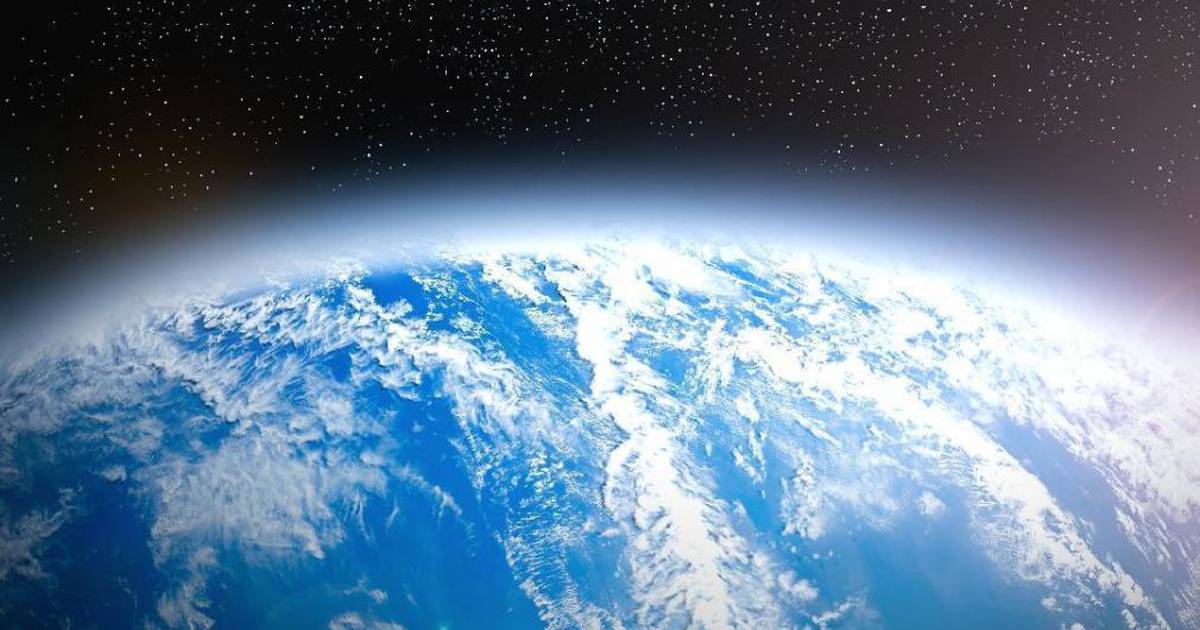
According to NOAA, harmful chemicals has decline by 50% in the ozone layer. For a considerable amount of time, the thinning of the ozone layer has had significant repercussions for humankind. In addition, the International Day for the Protection of the Ozone Layer was officially recognized by the United Nations in the year 1994.
The ozone layer above Earth is absolutely necessary for shielding all kinds of life, from plants to humans, from the damaging rays that are emitted by the sun. This shield in the Earth's stratosphere has been depleted for decades, putting life on the planet in danger.
However, according to a recent study from NOAA, it may now have a chance to at least partially rebound. This would put an end to the risk that has been posed to life on the planet.
The National Oceanic and Atmospheric Administration (NOAA) reported in recent research that global concentrations of hazardous chemicals that degrade the ozone layer have decreased by a little over 50% in the mid-latitude stratosphere, returning to levels that were recorded in the year 1980. NOAA experts say that the drop is continuing as long as the threat to the ozone layer stays below a major milestone in 2022.
Although it has been happening more slowly, there has been a decrease in concentrations over Antarctica, which is the location of an annual hole in the ozone layer. According to the findings of NOAA, concentrations have dropped by 26% since reaching their peak in the region in the 1990s.
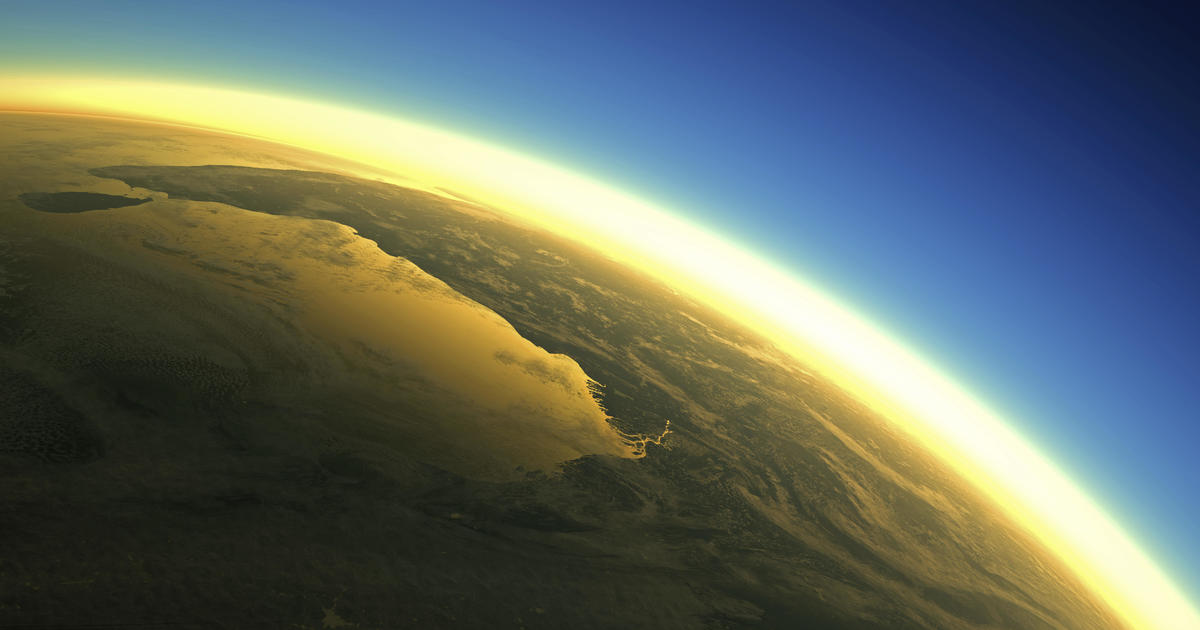
This hole was larger than typical in 2021; in fact, it was larger than the size of Antarctica itself. However, according to NOAA, the ozone layer over Antarctica is expected to recover sometime around 2070. This recovery is forecast to take place.
According to the EPA, the modest but steady progress made over the past three decades is due to the international standards and compliance requirements for the management of such chemicals. Since it was revealed in the 1980s that certain man-made substances were seriously destroying Earth's essential protective layer, scientists have been keeping a close eye on the ozone.
In 1987, just seven years after it became obvious that ozone depletion was caused by chemicals, every country on Earth ratified a treaty, which is known as the Montreal Protocol, to regulate chemicals in order to protect the earth. This was the first and only time that this has ever happened.
According to the University Corporation for Atmospheric Research, one of these man-made chemical compounds is called chlorofluorocarbons (CFCs). In the 1960s, people started using CFCs in air conditioners, spray cans, Styrofoam, and industrial cleaning products.
According to the Environmental Protection Agency (EPA), once the CFCs have been utilized, they make their way into the stratosphere, where ultraviolet radiation breaks down the compounds and releases chlorine atoms. Chlorine, along with bromine, is harmful to the ozone layer. These atoms are notorious for destroying ozone molecules.
A single chlorine atom is capable of destroying more than one hundred thousand ozone molecules. Furthermore, the agency noted that with the help of these atoms, ozone can be destroyed more quickly than it is naturally created. Hydrochlorofluorocarbons, often known as HCFCs, were created as a short-term replacement for chlorofluorocarbons (CFCs) due to the fact that HCFCs have a shorter atmospheric lifetime when compared to CFCs and do not release as much reactive chlorine into the stratosphere.
However, they still have the power to destroy stratospheric ozone, despite the fact that the manufacture of these substances was banned in developed countries in the year 2020. And while the progress that has been made thus far is encouraging, the experts agree that the battle is not yet won.
Stephen Montzka, senior scientist for NOAA's Global Monitoring Laboratory, said the progress is great, but
“„at the same time, it's a bit humbling to realize that scienceis still a long way from being able to claim that the issue of ozone depletion is behind us.- Stephen Montzka, senior scientist for NOAA's Global Monitoring Laboratory
Conclusion
According to NOAA's report:
“„Ozone layer recovery is not a forgone conclusion. Full recovery is expected only with sustained declines in atmospheric chlorine and bromine in future years and continued adherence to the production and consumption restrictions outlined in the Protocol.- The National Oceanic and Atmospheric Administration
Jump to

Suleman Shah
Author
Suleman Shah is a researcher and freelance writer. As a researcher, he has worked with MNS University of Agriculture, Multan (Pakistan) and Texas A & M University (USA). He regularly writes science articles and blogs for science news website immersse.com and open access publishers OA Publishing London and Scientific Times. He loves to keep himself updated on scientific developments and convert these developments into everyday language to update the readers about the developments in the scientific era. His primary research focus is Plant sciences, and he contributed to this field by publishing his research in scientific journals and presenting his work at many Conferences.
Shah graduated from the University of Agriculture Faisalabad (Pakistan) and started his professional carrier with Jaffer Agro Services and later with the Agriculture Department of the Government of Pakistan. His research interest compelled and attracted him to proceed with his carrier in Plant sciences research. So, he started his Ph.D. in Soil Science at MNS University of Agriculture Multan (Pakistan). Later, he started working as a visiting scholar with Texas A&M University (USA).
Shah’s experience with big Open Excess publishers like Springers, Frontiers, MDPI, etc., testified to his belief in Open Access as a barrier-removing mechanism between researchers and the readers of their research. Shah believes that Open Access is revolutionizing the publication process and benefitting research in all fields.

Han Ju
Reviewer
Hello! I'm Han Ju, the heart behind World Wide Journals. My life is a unique tapestry woven from the threads of news, spirituality, and science, enriched by melodies from my guitar. Raised amidst tales of the ancient and the arcane, I developed a keen eye for the stories that truly matter. Through my work, I seek to bridge the seen with the unseen, marrying the rigor of science with the depth of spirituality.
Each article at World Wide Journals is a piece of this ongoing quest, blending analysis with personal reflection. Whether exploring quantum frontiers or strumming chords under the stars, my aim is to inspire and provoke thought, inviting you into a world where every discovery is a note in the grand symphony of existence.
Welcome aboard this journey of insight and exploration, where curiosity leads and music guides.
Latest Articles
Popular Articles