13 Proven Ways To Improve Testosterone Naturally
Want more energy and vitality? Improve testosterone levels naturally with these 13 science-based lifestyle and diet strategies.
Author:Suleman ShahReviewer:Han JuJul 24, 2025

Testosterone is a hormone your body needs to stay strong, active, and healthy. It plays a big role in muscle growth, bone strength, mood, sex drive, and energy levels. While it’s often linked with men, women also produce small amounts of it for proper body function.
As you age, testosterone levels can drop. Poor sleep, stress, lack of movement, and unhealthy food choices can make it worse. This drop can lead to tiredness, low mood, belly fat, and a weak sex drive.
Taking steps to improve your testosterone levels naturally can help you feel better, think clearer, and live a more active life.
1. Improve Your Sleep To Boost Testosterone
Most of your testosterone is made while you sleep. When your sleep is poor, your body can’t produce enough of this important hormone. Studies show that just one week of sleeping less than five hours a night can reduce testosterone levels by 10-15%.
Your body makes the most testosterone during deep sleep; that’s the part of sleep when you’re fully relaxed, and your body is doing its best healing. If you keep waking up at night or don’t sleep long enough, your body misses this chance to make enough testosterone.
Here’s how to improve your sleep:
- Aim for 7 to 9 hours of sleep every night
- Go to bed and wake up at the same time every day, even on weekends
- Keep your bedroom dark, cool, and quiet (consider blackout curtains or earplugs)
- Turn off phones, TVs, and computers at least 1 hour before bed
- Avoid eating heavy meals late at night
- Exercise during the day, but not too close to bedtime
Good sleep is just as important as food and exercise. If you’re not sleeping well, your testosterone will stay low no matter what else you do. Try to create a bedtime routine that helps you relax and wind down at night.
2. Lift Weights And Do Intense Workouts

Exercise helps raise testosterone, but not all workouts are equal. The best type for increasing testosterone is strength training, especially with heavy weights. When your muscles are pushed to work hard, your body responds by making more testosterone.
Exercises that work many muscles at once like squats, deadlifts, and bench presses are the most effective. These are called compound movements, and they give you more hormone-boosting results than simple exercises like bicep curls.
Here are the best exercises to raise testosterone naturally:
- Squats with heavy weights
- Deadlifts (regular and Romanian versions)
- Bench press and overhead shoulder press
- Pull-ups, chin-ups, and barbell rows
- Short sprints or high-intensity intervals
Tips to get the best results:
- Train 3 to 4 times a week
- Focus on big muscle groups (legs, chest, back)
- Keep rest time between sets short (about 60-90 seconds)
- Slowly increase weight over time as you get stronger
You can also try High-Intensity Interval Training (HIIT). This means doing short bursts of hard exercise (like sprinting or cycling fast for 20-30 seconds), followed by rest. Just 15-20 minutes of HIIT can give your testosterone a big boost more than long, slow cardio like jogging.
3. Keep A Healthy Weight
If you carry extra fat especially around your belly, it can hurt your testosterone. That’s because fat tissue turns testosterone into estrogen, which is the main female hormone. This makes testosterone levels go down even more, and the cycle keeps getting worse.
Being overweight also causes inflammation and sleep problems, both of which reduce testosterone. Even losing just 10 to 15 pounds can make a big difference in your hormone levels and how you feel.
Here’s how extra fat lowers testosterone:
- Fat cells have an enzyme that turns testosterone into estrogen
- Too much fat increases inflammation, which weakens hormone production
- Obesity is linked to poor sleep, and poor sleep lowers testosterone
- Extra weight often leads to insulin resistance, which also hurts testosterone
If you’re trying to lose weight, focus on fat loss, not muscle loss. Crash diets or cutting too many calories can make testosterone drop even more.
What works best:
- Eat balanced meals with protein, healthy fats, and whole carbs
- Do strength training to keep muscle while burning fat
- Aim for slow, steady progress 1 to 2 pounds per week is healthy and sustainable
- Don’t starve yourself. Your body needs fuel to make hormones
For men, a healthy body fat percentage is between 10% and 15%. Keeping your weight in this range can help your body make more testosterone naturally.
4. Eat Foods That Help Your Body Make Testosterone
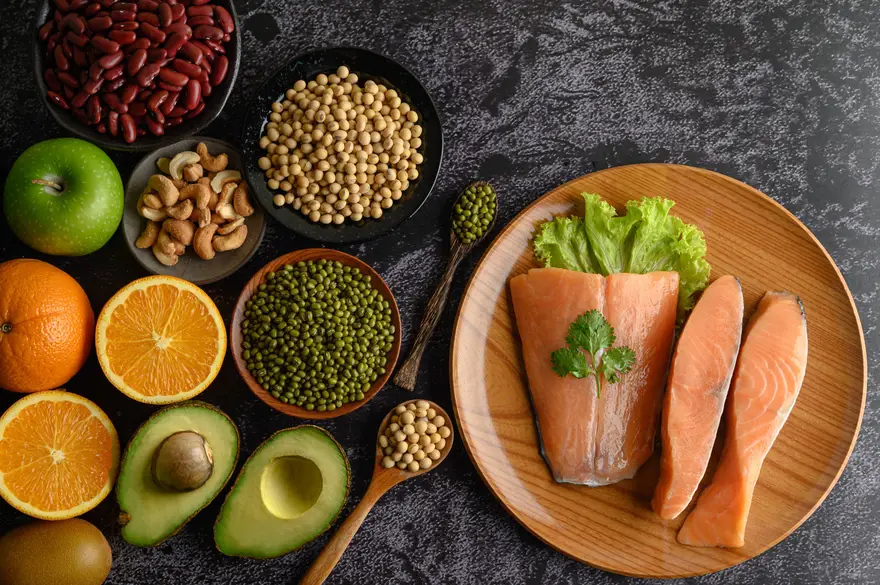
What you eat every day plays a big role in your hormone levels. Some foods support testosterone, while others hurt it. Eating the right foods gives your body the nutrients it needs to make more testosterone.
A good testosterone-friendly diet should include healthy fats, lean protein, vitamins, and minerals. Stay away from processed foods, fried snacks, and too much sugar they can lower testosterone over time.
Best foods for testosterone:
- Eggs (especially the yolks):Full of healthy fats, protein, and vitamin D
- Grass-fed beef and lean meats:Provide zinc, iron, and high-quality protein
- Fatty fish like salmon and tuna:Rich in omega-3 fats and vitamin D
- Nuts and seeds:Pumpkin seeds, almonds, and walnuts contain zinc and magnesium
- Avocados and olive oil:Loaded with monounsaturated fats that help hormone production
- Leafy greens and cruciferous vegetables:Spinach, kale, and broccoli support hormone balance
- Pomegranates and berries:Helps fight inflammation and improve blood flow
- Garlic and ginger:May support healthy testosterone levels and reduce stress
Key tips for eating right:
- Around 25-30% of your calories should come from healthy fats
- Eat 0.8 to 1 gram of protein per pound of body weight every day
- Avoid low-fat diets; they can reduce testosterone
- Cut down on processed sugars, fast food, and packaged snacks
Eating whole, natural foods helps your hormones work better, gives you more energy, and supports overall health.
Continue Reading - Top 30 Superfoods To Include In Your Daily Diet
5. Lower Your Stress To Protect Your Testosterone
Too much stress can hurt your body in many ways, and one of the biggest effects is lower testosterone. When you're under stress, your body produces more cortisol, a hormone that helps in emergencies but harms testosterone over time.
When cortisol is high, your body focuses on “survival” rather than hormone production. Your energy, sex drive, mood, and focus all take a hit. That’s why managing stress is one of the most important steps to raise testosterone.
Why stress is harmful:
- Cortisol blocks testosterone production
- Chronic stress leads to poor sleep, more fat gain, and higher inflammation
- Emotional stress from work, family, or finances can also affect hormones
Ways To Manage Stress And Protect Your Testosterone
- Deep breathing:Try breathing slowly for 3-5 minutes a few times a day
- Meditation or mindfulness:Even 10 minutes daily can calm your body
- Exercise:A short walk, lifting weights, or yoga helps reduce stress
- Spend time in nature:Parks, fresh air, or sunshine helps your mood
- Strong relationships:Talking to friends or family helps release tension
- Set clear work boundaries:Don’t let stress from your job follow you home
- Practice gratitude:Write down 3 things you’re thankful for every day
Stress is a part of life, but it doesn’t have to control your health. The more you relax and slow down your mind, the better your body can produce testosterone.
6. Get Enough Vitamin D And Zinc
Your body needs certain nutrients to make testosterone, and vitamin D and zinc are two of the most important. If you don’t get enough of them, your testosterone levels may drop without you even knowing it.
Vitamin D acts more like a hormone than a vitamin. It helps your body create testosterone and supports a healthy immune system. Many people don’t get enough, especially during the winter or if they spend most of their time indoors.
Ways to get more vitamin D:
- Spend 15 to 30 minutes in the sun each day, especially around midday
- Eat fatty fish like salmon, sardines, and mackerel
- Include egg yolks from pasture-raised chickens
- Choose foods with added vitamin D (like fortified milk and cereals)
- Take a vitamin D3 supplement; 2,000 to 4,000 IU daily is safe for most people
If you rarely go outside or live in a cold climate, it’s a good idea to ask your doctor for a blood test to check your vitamin D levels.
Why Zinc Is Just As Important
Zinc is a mineral that helps your body make testosterone. Even a small zinc deficiency can cause hormone problems and lower fertility. Your body doesn’t store zinc, so you need to get it from food every day.
Best Food Sources Of Zinc:
- Oysters: the best source by far
- Red meat and poultry: like beef, lamb, and chicken
- Beans and lentils
- Nuts and seeds: like pumpkin seeds and cashews
- Whole grains and dairy products
If your diet is low in zinc, you might feel tired, weak, or have poor concentration. A zinc supplement can help but don’t take too much. Stick to the recommended dose unless your doctor says otherwise.
For best results, get a blood test to see if you’re low in vitamin D or zinc, then add more of these nutrients through food and supplements if needed.
7. Cut Back On Alcohol

Drinking too much alcohol is one of the quickest ways to hurt your testosterone levels. Even small amounts can affect your hormones, especially if you drink often.
How alcohol lowers Testosterone
- It disrupts your sleep, especially the deep sleep your body needs to make hormones
- It raises cortisol, the stress hormone that blocks testosterone
- It slows down liver function, which is needed to balance hormones
- It reduces how well your body absorbs zinc
- It increases estrogen levels, which lowers testosterone further
Regular heavy drinking can lower testosterone by 20% to 30%, according to research. Even weekend binge drinking can affect hormone levels for days.
What you can do:
- Try to limit alcohol to 1-2 drinks per week, or avoid it completely
- If you drink, choose better options, like a small glass of red wine instead of beer or hard liquor
- Consider doing a 30-day break from alcohol many men notice better energy, sleep, and mood within weeks
You don’t have to quit forever, but cutting back makes a big difference in how your body feels and performs.
8. Avoid Everyday Chemicals That Harm Hormones
There are many chemicals in our environment that can interfere with how your body makes hormones. These are called endocrine disruptors, and they can lower testosterone and raise estrogen.
Even though you can’t avoid all of them, small changes in your daily habits can help protect your hormone health.
Common Endocrine Disruptors To Watch Out For:
- BPA:found in plastic bottles, food containers, and canned goods
- Phthalates:found in soaps, shampoos, lotions, and perfumes
- Pesticides:used on non-organic fruits and vegetables
- Harsh cleaning products:with strong chemicals or bleach
- Synthetic fragrances:Found in air fresheners, candles, and personal care products
Simple ways to reduce exposure:
- Use glass or stainless steel containers instead of plastic
- Buy organic fruits and vegetables when possible
- Read labels and avoid personal care items with “fragrance” or phthalates
- Switch to natural or homemade cleaning products
- Use a water filter to reduce chemical exposure in your drinking water
- Avoid microwaving food in plastic containers
9. Try Intermittent Fasting The Smart Way
Intermittent fasting is when you eat your meals during certain hours and fast (don’t eat) for the rest of the day. Done correctly, it can help your body produce more testosterone.
Short-term fasting can increase luteinizing hormone, which tells your body to make more testosterone. It also supports fat loss, improves insulin levels, and boosts growth hormone all of which help your hormones stay balanced.
Ways To Do Intermittent Fasting:
- 16:8 method:Fast for 16 hours, eat during an 8-hour window (e.g., 12 p.m. to 8 p.m.)
- 18:6 method:Fast for 18 hours, eat during a 6-hour window
- 5:2 method:Eat normally for 5 days, and reduce calories on 2 days
How Intermittent Fasting Helps Testosterone:
- Improves how your body handles sugar (better insulin sensitivity)
- Lowers inflammation
- Helps with weight loss
- May raise testosterone by 10-15% over time
- Increases growth hormone, which also supports testosterone
Start slowly. You can begin with a 12-hour fast (for example, 7 p.m. to 7 a.m.) and increase gradually as your body adjusts.
Note:Intermittent fasting is not for everyone. If you have health problems, take medication, or feel weak during fasting, stop and talk to your doctor first.
10. Build Strong Relationships For Better Hormones
Healthy relationships play a big role in your hormone health. Being close to people you care about lowers stress and raises testosterone. On the other hand, feeling lonely or isolated can cause hormone levels to drop.
Spending time with family, friends, or even co-workers in a positive setting boosts your mood, lowers cortisol, and improves your confidence. These emotional benefits help your body create more testosterone naturally.
How To Improve Your Relationships:
- Spend quality time with friends, family, or your partner
- Join social clubs or hobby groups to meet new people
- Have regular conversations in person is best, but phone calls also help
- Work on communication; Listen, speak clearly, and be kind
- Show gratitude and appreciation: A kind word goes a long way
- Support others: Helping people builds deeper bonds
Tip:Sexual activity is linked to higher testosterone. Regular, healthy intimacy can increase your hormone levels and improve overall health.
11. Use Natural Testosterone Boosters
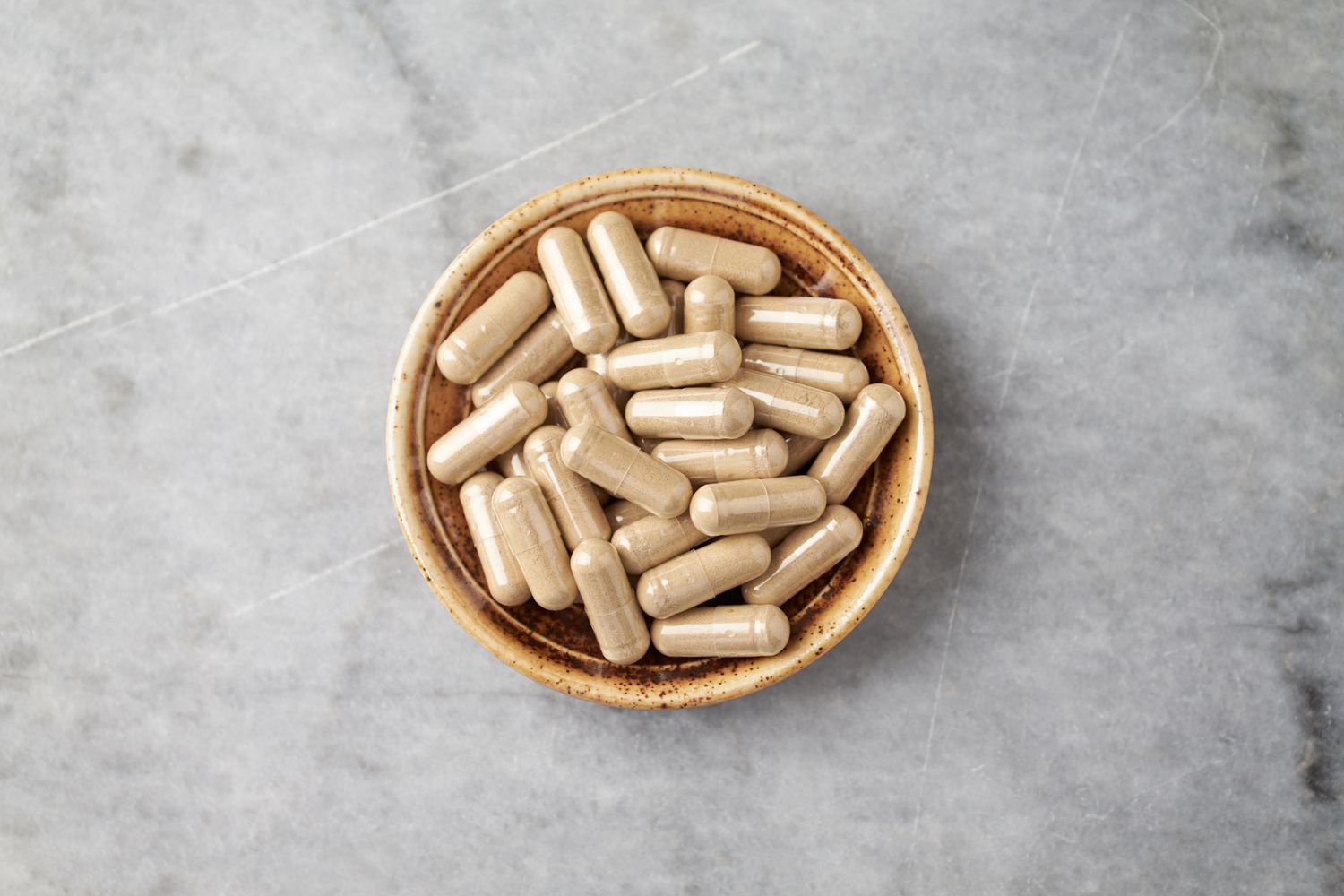
Some natural supplements can help increase testosterone levels, especially if your levels are low to begin with. These supplements work best when you’re already following healthy habits like good sleep, exercise, and proper nutrition.
Supplements aren’t magic pills, but they may give you a small boost.
Research-backed natural testosterone boosters:
- D-Aspartic Acid:An amino acid that may increase testosterone; try 3 grams per day
- Ashwagandha:A natural herb that reduces stress and may raise testosterone; 600-1,000 mg daily
- Fenugreek:A plant extract that may support free testosterone; around 500 mg daily
- Tribulus Terrestris:May help boost libido and testosterone in some men; 250-750 mg daily
- Ginger root:Has antioxidant effects and may improve testosterone; 1-3 grams per day
12. Take Care Of Your Gut Health
Your gut does more than just digest food, it plays a key role in how your body absorbs nutrients that are essential for hormone production, including zinc, magnesium, and vitamin D. If your gut isn’t healthy, even the best diet or supplements may not work properly.
Poor gut health can lead to inflammation, lower nutrient absorption, and hormone imbalance. Some studies even show that an unhealthy gut may be linked to lower testosterone levels and reduced energy.
Common Signs Of Poor Gut Health:
- Frequent bloating or gas
- Constipation or diarrhea
- Food intolerances
- Skin problems (like acne or rashes)
- Feeling tired after meals
- History of frequent antibiotic use
How To Support A Healthy Gut:
- Eat high-fiber foodslike oats, apples, bananas, and beans
- Add fermented foods to your diet (yogurt, kefir, kimchi, sauerkraut)
- Drink enough clean water every day to keep digestion moving
- Limit processed foods, sugar, and alcohol
- Try a probiotic supplement if needed
- Don’t eat in a rush, chew slowly and eat in a calm setting
13. Get Regular Health Check-Ups And Hormone Tests
If you’re doing all the right things but still feel low energy, mood changes, or weak libido, it’s time to get your testosterone levels checked. A simple blood test can show where you stand.
Types Of Testosterone Tests:
- Total Testosterone:Measures all testosterone in your blood
- Free Testosterone:Measures the active form your body can use
- Bioavailable Testosterone:Includes free testosterone and testosterone loosely bound to proteins
Normal Testosterone Ranges (may Vary Slightly By Lab):
- Total testosterone:300-1,000 ng/dL
- Free testosterone:50-200 pg/mL
- Bioavailable testosterone:70-400 ng/dL
Sometimes, men have testosterone levels in the “normal” range but still feel tired, depressed, or weak. That’s why it’s important to look at symptoms and lab results together.
Tips For Accurate Testing:
- Test early in the morning, between 7 a.m. and 10 a.m. is best
- Don’t test if you’re sick, injured, or stressed, your results might not be accurate
- Test more than once to make sure the results are consistent
- Make sure your test includes free testosterone, not just total
Work with a doctor who understands men’s hormone health. Some doctors may say your levels are “fine” even when you’re having symptoms. A specialist in men’s health or hormone therapy will give you better guidance.
People Also Ask
What Are The Symptoms Of Low Testosterone?
Low testosterone can cause several physical and emotional symptoms. These include low energy, reduced sex drive, trouble building muscle, mood changes, poor concentration, and increased body fat. Some men may also feel tired, irritable, or less motivated than usual.
When Should I See A Doctor About Low Testosterone?
If you’ve made lifestyle changes but still feel tired, weak, or have low sex drive, it’s a good idea to get your testosterone levels tested. A simple blood test can help you and your doctor decide what steps to take next.
Does Testosterone Drop With Age?
Yes. Testosterone levels naturally decline with age, usually starting in your late 30s or early 40s. The drop is slow, about 1% per year but lifestyle habits can slow it down and even improve hormone levels.
Which Fruit Is Best For Testosterone?
Other helpful fruits include cherries, berries, and bananas. These contain vital nutrients that may support your body's natural ability to balance testosterone over time when eaten regularly.
Final Thoughts
Raising testosterone levels doesn’t need to be complicated. With the right habits like moving more, eating better, and getting enough rest, your body can begin to balance hormones naturally. These changes take time, but they often lead to better energy, sharper thinking, and a stronger sense of well-being.
If you're still noticing signs of low testosterone after making healthy changes, talk to a doctor. Every person is different, and sometimes medical support is needed. Taking action now can lead to real improvements you’ll feel in your everyday life.
You Might Also Like - What Foods Are Ruining Your Testosterone Levels?
Jump to
1. Improve Your Sleep To Boost Testosterone
2. Lift Weights And Do Intense Workouts
3. Keep A Healthy Weight
4. Eat Foods That Help Your Body Make Testosterone
5. Lower Your Stress To Protect Your Testosterone
6. Get Enough Vitamin D And Zinc
7. Cut Back On Alcohol
8. Avoid Everyday Chemicals That Harm Hormones
9. Try Intermittent Fasting The Smart Way
10. Build Strong Relationships For Better Hormones
11. Use Natural Testosterone Boosters
12. Take Care Of Your Gut Health
13. Get Regular Health Check-Ups And Hormone Tests
People Also Ask
Final Thoughts

Suleman Shah
Author
Suleman Shah is a researcher and freelance writer. As a researcher, he has worked with MNS University of Agriculture, Multan (Pakistan) and Texas A & M University (USA). He regularly writes science articles and blogs for science news website immersse.com and open access publishers OA Publishing London and Scientific Times. He loves to keep himself updated on scientific developments and convert these developments into everyday language to update the readers about the developments in the scientific era. His primary research focus is Plant sciences, and he contributed to this field by publishing his research in scientific journals and presenting his work at many Conferences.
Shah graduated from the University of Agriculture Faisalabad (Pakistan) and started his professional carrier with Jaffer Agro Services and later with the Agriculture Department of the Government of Pakistan. His research interest compelled and attracted him to proceed with his carrier in Plant sciences research. So, he started his Ph.D. in Soil Science at MNS University of Agriculture Multan (Pakistan). Later, he started working as a visiting scholar with Texas A&M University (USA).
Shah’s experience with big Open Excess publishers like Springers, Frontiers, MDPI, etc., testified to his belief in Open Access as a barrier-removing mechanism between researchers and the readers of their research. Shah believes that Open Access is revolutionizing the publication process and benefitting research in all fields.

Han Ju
Reviewer
Hello! I'm Han Ju, the heart behind World Wide Journals. My life is a unique tapestry woven from the threads of news, spirituality, and science, enriched by melodies from my guitar. Raised amidst tales of the ancient and the arcane, I developed a keen eye for the stories that truly matter. Through my work, I seek to bridge the seen with the unseen, marrying the rigor of science with the depth of spirituality.
Each article at World Wide Journals is a piece of this ongoing quest, blending analysis with personal reflection. Whether exploring quantum frontiers or strumming chords under the stars, my aim is to inspire and provoke thought, inviting you into a world where every discovery is a note in the grand symphony of existence.
Welcome aboard this journey of insight and exploration, where curiosity leads and music guides.
Latest Articles
Popular Articles