The International Space Station to Fall Into The Pacific By 2031
Space exploration as we know it is coming to an end as NASA prepares that the International Space Station to fall into the Pacific. The International Space Station (ISS) has been a cornerstone of astronomy, meteorology, physics, and other disciplines since 1998.
Author:Suleman ShahReviewer:Han JuDec 21, 2022
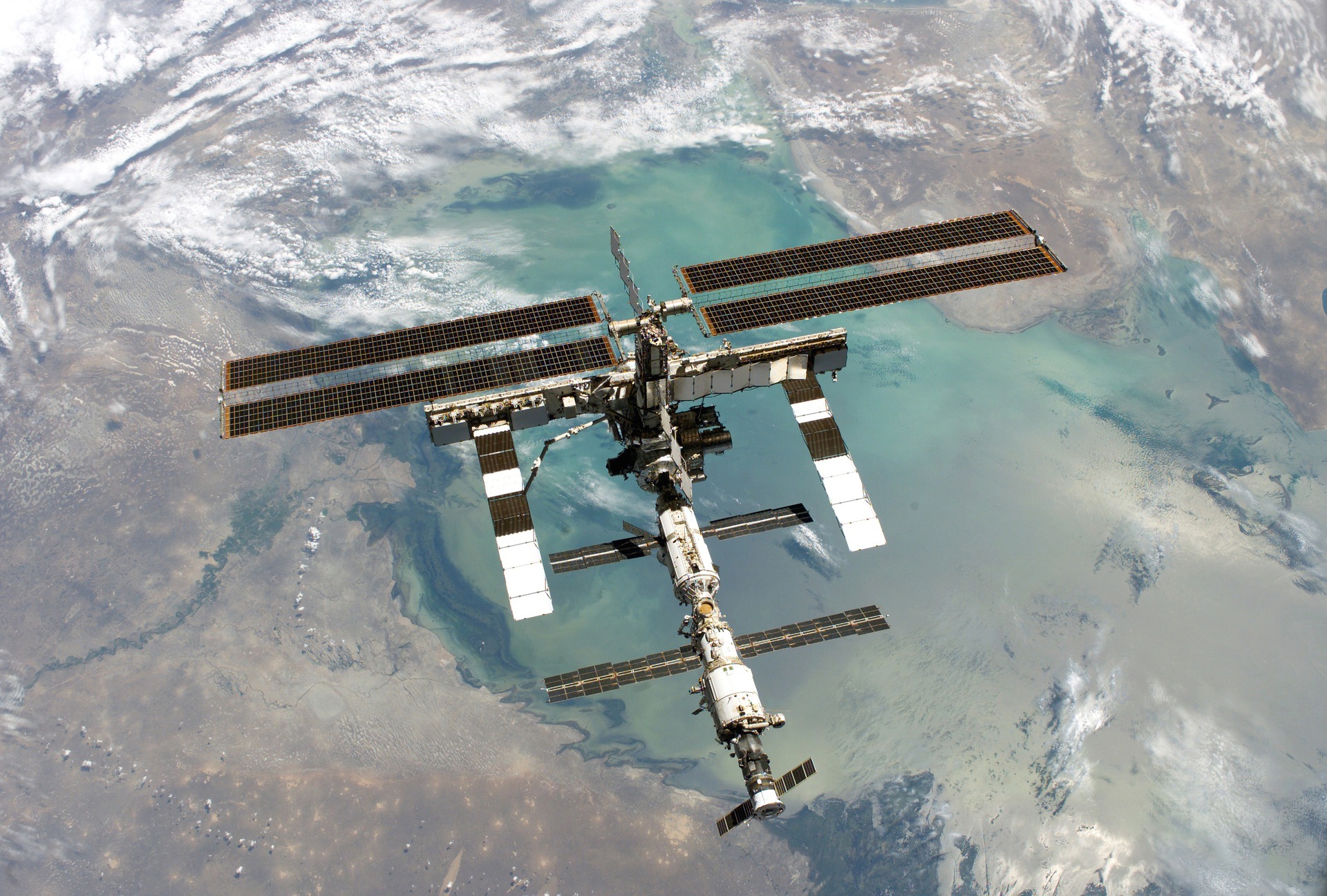
Space exploration as we know it is coming to an end as NASA prepares that the International Space Station to fall into the Pacific. The International Space Station (ISS) has been a cornerstone of astronomy, meteorology, physics, and other disciplines since 1998.
The International Space Station (ISS) is more than simply a symbol for research, despite being the location with the finest view in all of space. There have been innumerable experiments conducted in the low orbit laboratory by government agencies, universities, and private companies, but its days are numbered.
While NASA plans to transfer control of the station to private companies, the ISS will continue its research and development activities until 2030. The transition report provided to Congress states that in early 2031, NASA operators would guide the ISS into the South Pacific Oceanic Uninhabited Area, precisely at Point Nemo, where it will exit the atmosphere and fall into the sea.
Why International Space Station Is Ending?
Space travelers from 19 nations have conducted experiments in the station's laboratories as it orbits 227 nautical miles above Earth. Beginning with a 1998 launch of the first component by a Russian rocket, it was built in stages. After two years and some more module construction, the station welcomed its first astronauts on November 2, 2000.
Five bedrooms, two bathrooms, a gym, and massive solar panels to harvest energy from the sun were all added to the spaceship by 2011. The International Orbit Station (ISS) has kept humans in space for the last 20 years with a crew of six.
The International Space Station (ISS) plans to undertake maneuvers with its thrusters to cause it to exit its orbit "according to NASA's report, "safe atmospheric entry" Point Nemo in the Pacific Ocean, often known as the "Spacecraft Cemetery," is where the football field-long station will eventually fall to Earth.
Space trash has been aiming towards Point Nemo, which is located about 3,000 miles off the eastern coast of New Zealand and 2,000 miles north of Antarctica, for decades. According to a report by CNN's Katie Hunt, over 250 pieces of space junk have been buried there since 1971 by the space agencies of the United States, Russia, Japan, and Europe.
According to Mike Wall of Scientific American, NASA aims to make the most of the International Space Station (ISS) until it is destroyed by water nine years from now. This includes performing research, increasing international collaboration, and bolstering the commercial spaceflight business.
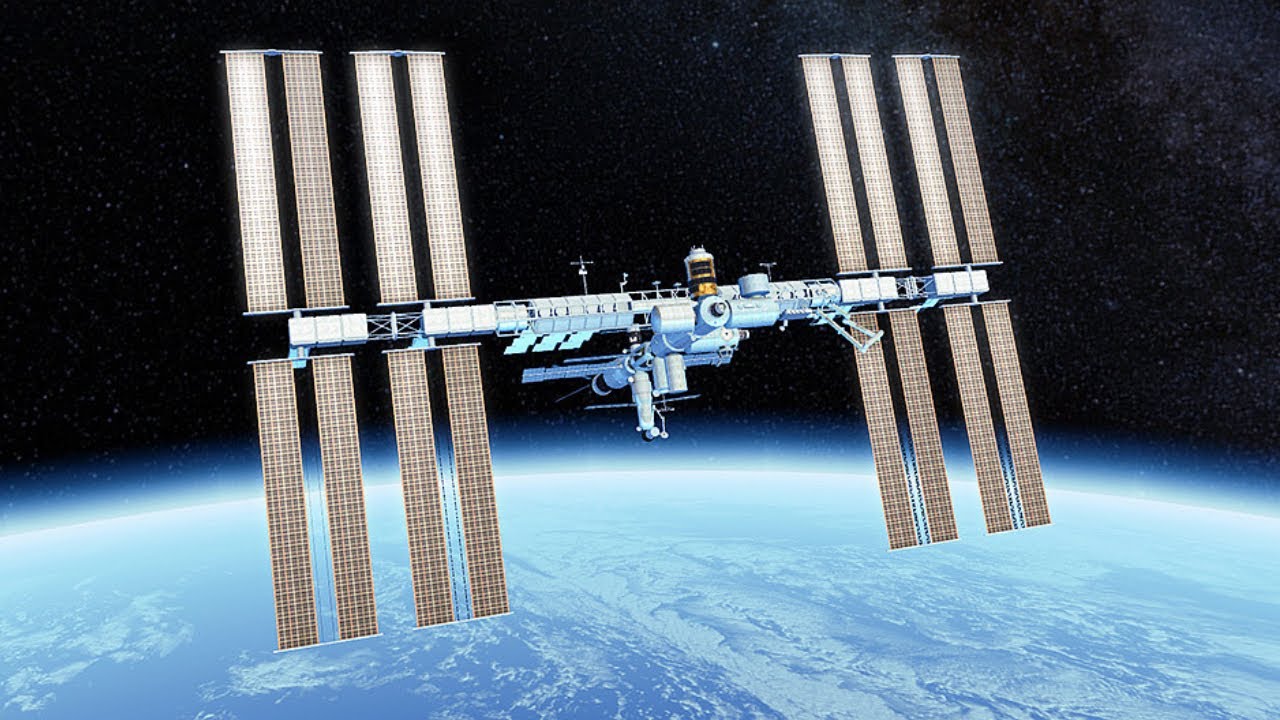
NASA plans to retire the International Space Station by 2031 by crashing it into the Pacific Ocean
Future Of Human Space Travel
When space becomes a commercial venture, buying a trip to the stars will be as easy as catching a train or reserving an airplane ticket. While the shift from government to market management may take some time, it might usher in a new era of innovation.
Keeping the International Space Station in orbit was never the plan. It's 20 years old, so it needs regular upkeep and improvements. The construction of a brand-new facility outfitted with cutting-edge hardware will usher in a revolutionary age of space travel. Future missions to the Moon, Mars, and beyond may potentially make use of a station as a stopover.
The International Space Station (ISS) was originally scheduled to be decommissioned in 2024, but the Biden-Harris administration decided to keep it in operation until 2030. A multinational team including NASA (USA), Rocosmos (Russia), JAXA (Japan), ESA (Europe), and CSA (Canada) built the ISS (Canada). After the ISS's impending decommissioning, the partnership's prospects are uncertain.
How ISS Helps Scientists?
Many groundbreaking experiments have been conducted aboard the space station. In 2014, the ISS successfully 3D-printed its first object. In 2016, NASA astronaut Kate Rubins became the first person to sequence DNA while orbiting Earth. Also in 2018, NASA's Cold Atom Lab on board the station created a Bose-Einstein condensate, the fifth state of matter.
The astronauts have figured out a way to cultivate lettuce and other leafy greens in space. Astronauts ate the first space-grown salad in 2015. Radishes and chili peppers are among the crops being cultivated aboard the space station now. Astronauts one day may be able to utilize this to cultivate their own food in space.
In spite of China's longstanding exclusion from the ISS, the country successfully launched the first module of its own space station last year. Although it won't be as big as the ISS, the Chinese space station is scheduled to be completely functional by the end of the year.
Russia has announced that it would withdraw from the International Space Station project in 2025 and instead begin construction on its own space station, which could be launched as early as 2030.
Final Words
In 2030, the ISS will end its mission, and in 2031, it will plunge into the Pacific Ocean. The International Space Station (ISS) is too large to be left in Earth's orbit, so NASA has decided to intentionally crash it in a distant part of the Pacific Ocean, which has been called the "spacecraft graveyard." It's here that all the old satellites and spaceships that have been retired may rest in peace.
There won't be any people on board the ISS, and nobody within miles of where it crashes will be around either. Point Nemo is 1,670 kilometers from the next inhabited island, where there is another cemetery. There is no one to share the name "Nemo" with since the ocean is completely deserted. When the year 2031 rolls around, it will be the last destination for the International Space Station.

Suleman Shah
Author
Suleman Shah is a researcher and freelance writer. As a researcher, he has worked with MNS University of Agriculture, Multan (Pakistan) and Texas A & M University (USA). He regularly writes science articles and blogs for science news website immersse.com and open access publishers OA Publishing London and Scientific Times. He loves to keep himself updated on scientific developments and convert these developments into everyday language to update the readers about the developments in the scientific era. His primary research focus is Plant sciences, and he contributed to this field by publishing his research in scientific journals and presenting his work at many Conferences.
Shah graduated from the University of Agriculture Faisalabad (Pakistan) and started his professional carrier with Jaffer Agro Services and later with the Agriculture Department of the Government of Pakistan. His research interest compelled and attracted him to proceed with his carrier in Plant sciences research. So, he started his Ph.D. in Soil Science at MNS University of Agriculture Multan (Pakistan). Later, he started working as a visiting scholar with Texas A&M University (USA).
Shah’s experience with big Open Excess publishers like Springers, Frontiers, MDPI, etc., testified to his belief in Open Access as a barrier-removing mechanism between researchers and the readers of their research. Shah believes that Open Access is revolutionizing the publication process and benefitting research in all fields.

Han Ju
Reviewer
Hello! I'm Han Ju, the heart behind World Wide Journals. My life is a unique tapestry woven from the threads of news, spirituality, and science, enriched by melodies from my guitar. Raised amidst tales of the ancient and the arcane, I developed a keen eye for the stories that truly matter. Through my work, I seek to bridge the seen with the unseen, marrying the rigor of science with the depth of spirituality.
Each article at World Wide Journals is a piece of this ongoing quest, blending analysis with personal reflection. Whether exploring quantum frontiers or strumming chords under the stars, my aim is to inspire and provoke thought, inviting you into a world where every discovery is a note in the grand symphony of existence.
Welcome aboard this journey of insight and exploration, where curiosity leads and music guides.
Latest Articles
Popular Articles