Lucky Numbers For Gamers - Myths Vs Math, RNG Explained
Lucky numbers for gamers, decoded by a researcher: why 7 & 8 feel lucky, why 4 is avoided, and why RNG odds don’t change.
Author:Suleman ShahReviewer:Han JuApr 16, 20263.2K Shares164.7K Views
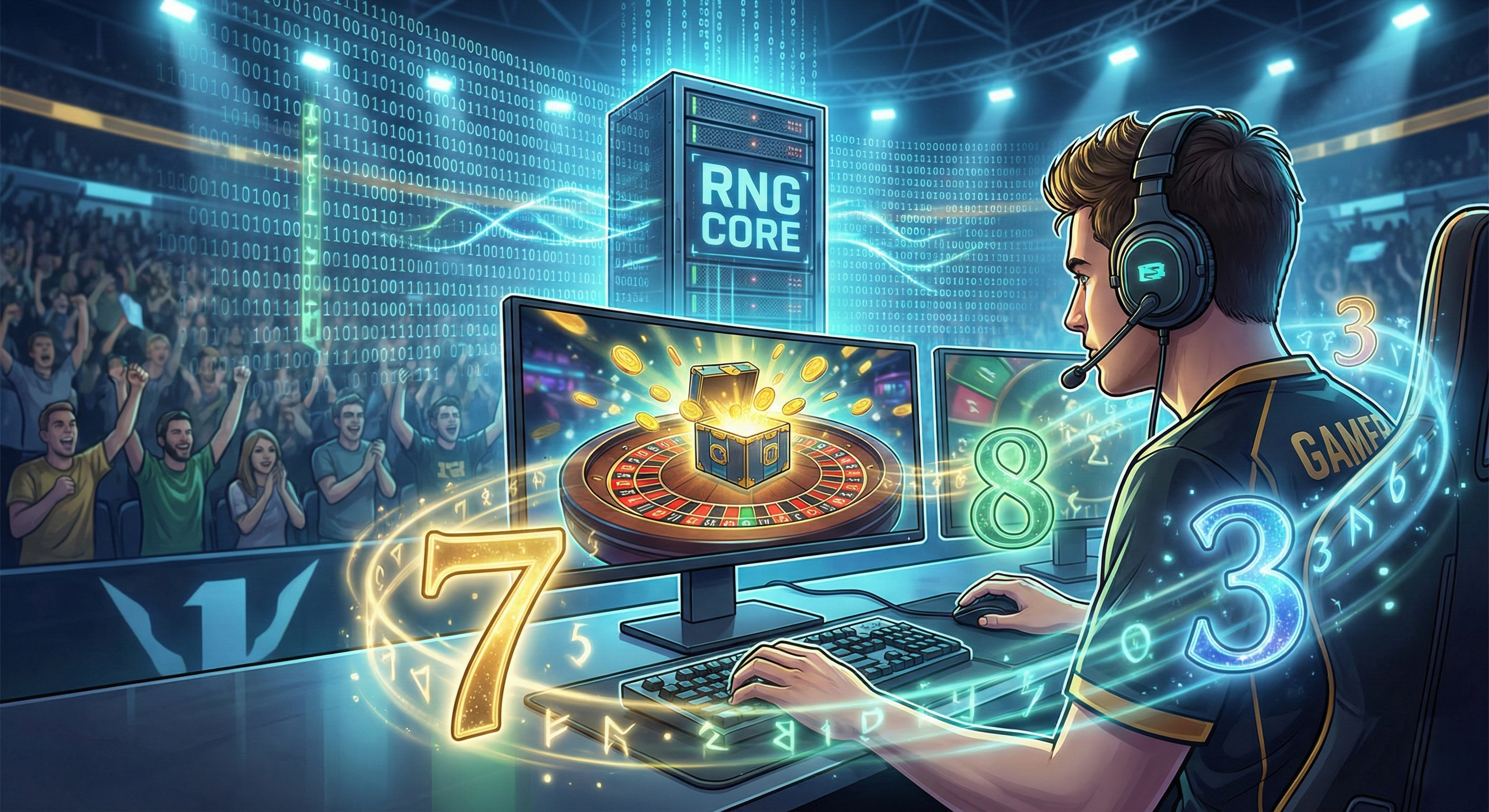
Lucky Numbers For Gamers: The Science And Superstition Behind The Digits
Picture a crowded esports arena or a quiet tabletop gaming cafe. Right before the dice roll, the matchmaking queue pops, or the digital roulette wheel spins, players instinctively lean on specific digits. They choose uniforms, screen names, and bet amounts based on numbers that feel inherently lucky.
As a researcher who spends my days analyzing scientific data and translating complex developments into everyday language, I find this human behavior fascinating. Why do we assign magical properties to basic mathematical integers?
In this analysis, we will decode the cultural history, the psychological phenomenon of the illusion of control, and the hard science of digital randomization behind lucky numbers for gamers.
You will learn how to choose your digits with a fun, informed perspective while understanding the absolute reality of statistical probability.
Key Takeaways: The Anatomy Of Gaming Luck
- The Global Top 3 Lucky Numbers (7):The Western standard for luck, historically tied to religious and mathematical significance.
- 8:The Eastern powerhouse of luck, phonetically sounding like the word for wealth in Mandarin.
- 3:A universally positive integer representing harmony, narrative completion, and balance.
- The Unlucky Digits to Avoid:13 Western superstition and 4 Eastern tetraphobia.
- The Reality Check:No specific number can alter a game's Random Number Generator RNG, but utilizing them heavily enhances the psychological thrill of the gaming experience.
The Cultural Code: Global Lucky Numbers For Gamers
Our belief in the power of specific digits does not happen in a vacuum. It is deeply rooted in centuries of sociology, language, and cultural mythology. Gamers simply carry these inherited beliefs from the physical world into their digital and tabletop lobbies.
| Number | Primary Meaning for Gamers |
| 7 | Divine perfection, ultimate luck, jackpot standard. |
| 8 | Wealth, prosperity, infinite loops eSports. |
| 3 | Balance, completion, third time's the charm. |
| 9 | Longevity, emperor status, high-level prestige. |
| 12 | Cosmic order months, hours, zodiac signs. |
The Western Heavyweights: 7, 3, And 12
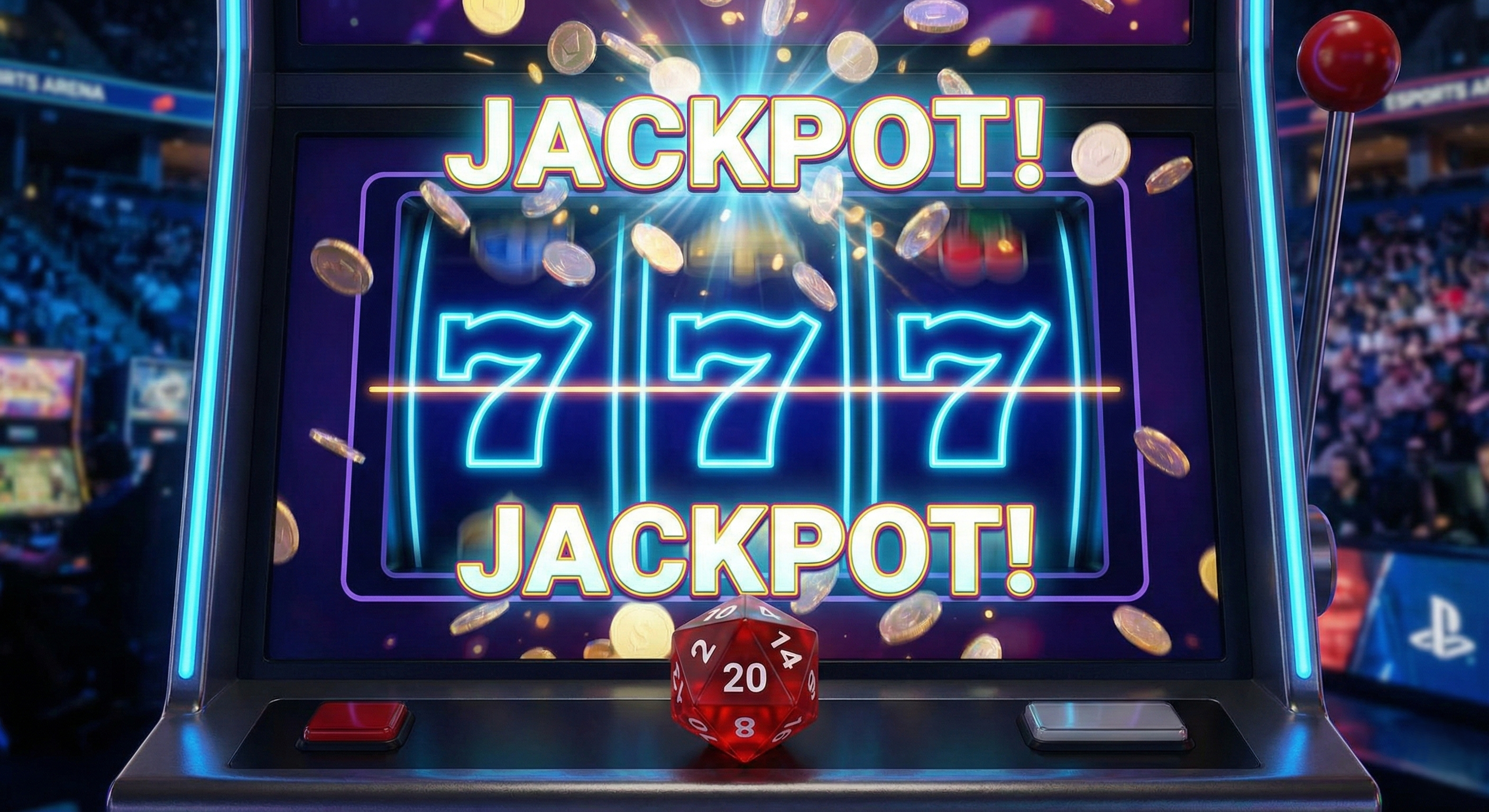
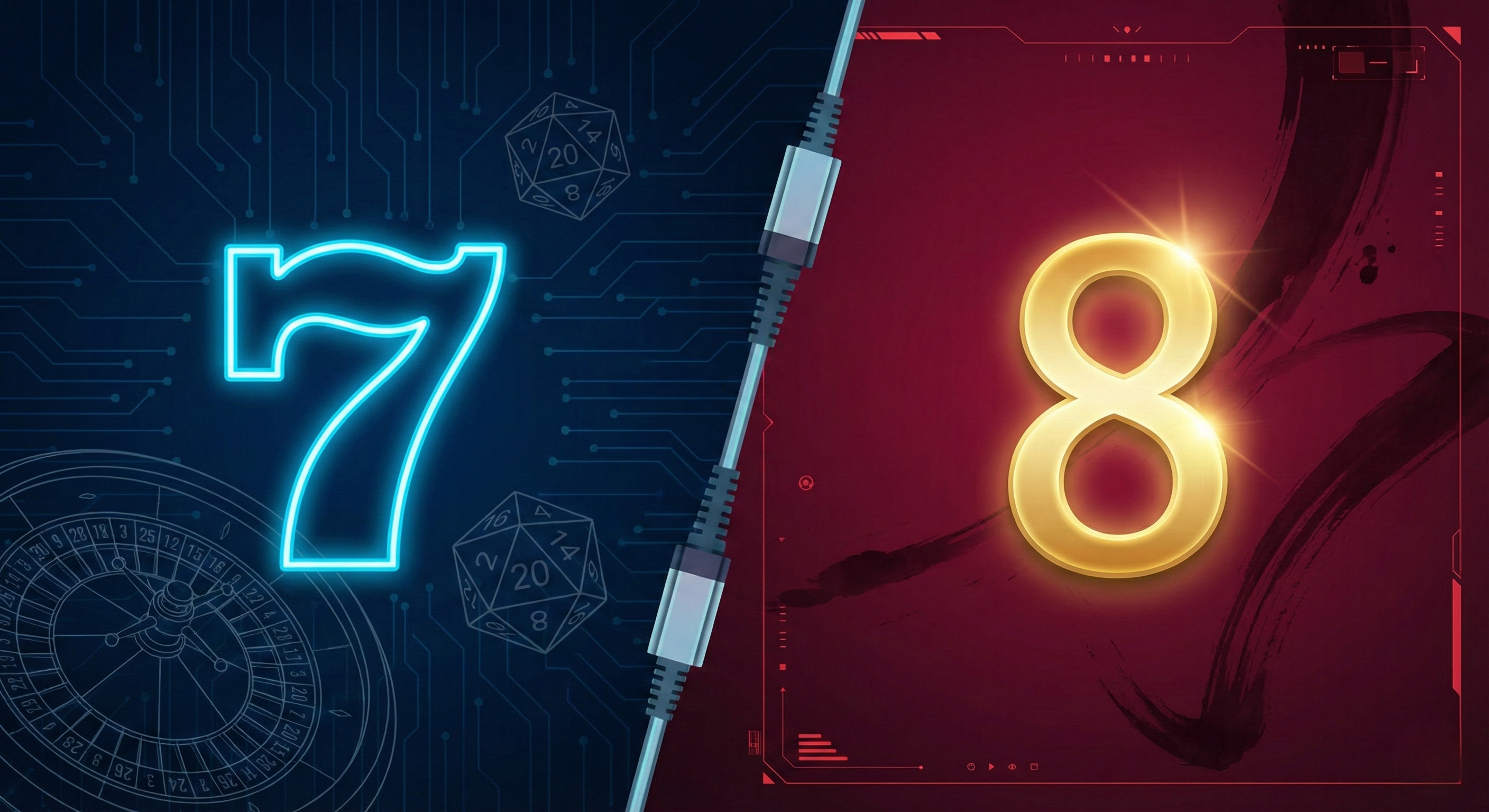
In Western cultures, the number seven reigns supreme across casinos, board games, and digital RPGs. Its status originates from historical texts, the seven days of the week, and ancient astronomy. When a slot machine aligns three sevens, it signals the ultimate jackpot, reinforcing its dominance in the gaming consciousness.
The number three follows closely behind, hardwired into human psychology through storytelling and pattern recognition.
Gamers frequently attempt a difficult boss fight or a specific dice roll in sets of three. Twelve rounds out the Western tier, representing cosmic order and completeness, making it a highly favored choice in games requiring structural strategy.
The Eastern Powerhouses: 8 And 9
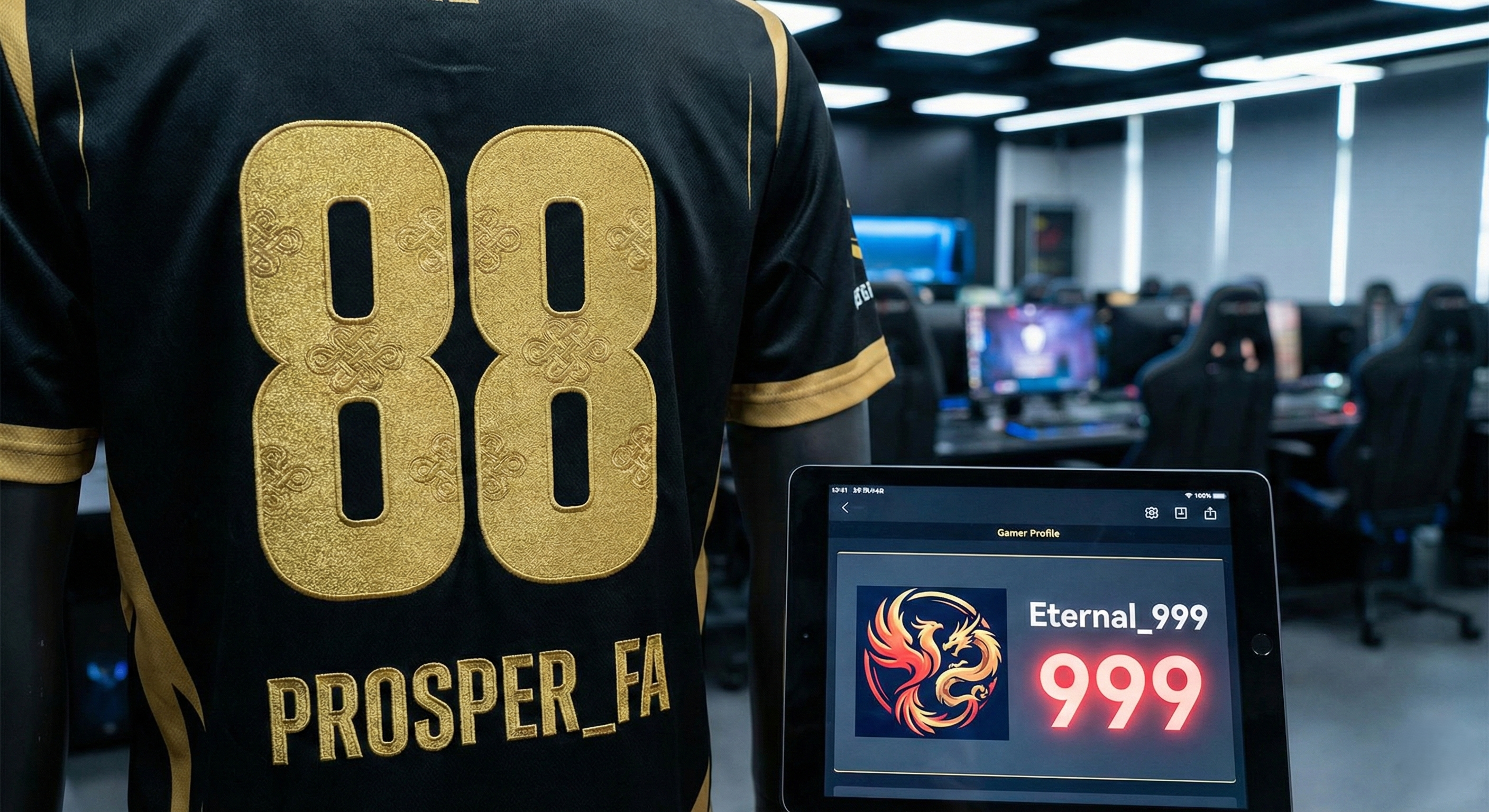
If you play on international servers, you will immediately notice the dominance of the number eight. In Mandarin, the pronunciation of eight ba sounds remarkably similar to the word for wealth or prospering fa.
Gamers utilize eights in their usernames, bet amounts, and digital lobbies to invite financial and competitive success.
The number nine holds a dual identity. In Chinese culture, it sounds like the word for long-lasting, making it a symbol of longevity and prestige. It is an excellent choice for gamers focused on endurance runs or long-term strategy campaigns.
Why Lucky Numbers Feel Real In Gaming: The Psychology, Explained Simply
This section gives you the brain mechanics behind number luck. Once you understand this, you can keep the fun part without falling for the trap part.
Pattern-chasing In Small Samples Law Of Small Numbers
Humans expect short random streaks to look even and balanced. But randomness doesn’t behave politely in small samples-clumps happen. Tversky and Kahneman described how people over-trust tiny samples and mistake them for meaningful evidence.
Illustrative scenario:A player pulls three rare items in a week and decides 11 is my lucky number. What’s really happening is: the player observed a small streak and gave it a story.
This psychological phenomenon is incredibly visible in the battle royale genre. For instance, players will often tap a premium item exactly three or seven times before spending their currency, hoping to force a legendary outfit to drop.
While understanding BGMI mechanicsreveals that these reward crates are strictly governed by predetermined algorithm weights rather than player rituals, the tapping sequence still provides the player with a highly satisfying illusion of control.
Streak Myths: Gambler’s Fallacy Vs Hot-hand Thinking
Two common errors show up in gaming:
- Gambler’s fallacy:thinking the next outcome is due to what happened recently. The APA Dictionary of Psychology describes it as failing to recognize the independence of chance events.
- Hot-hand belief:thinking a run of success means you’re on fire and success is more likely to continue. Research on perceived streaks shows people often misread random sequences as patterns.
Illustrative scenario: After five losses, someone says, We’re due-queue again. That’s gambler’s fallacy energy. After five wins, someone says, Don’t change anything, we’re hot. That’s hot-hand energy.
The Illusion Of Control And Why Rituals Boost Confidence
Ellen Langer’s work describes the illusion of control-the tendency to feel more influence over outcomes than objective probability allows.
This is heavily amplified by confirmation bias-a gamer will vividly remember the one time their lucky number resulted in a win, while conveniently forgetting the ninety-nine times it resulted in a loss.
In gaming, rituals can still help indirectly:they can calm nerves, make you feel ready, and create a consistent start signal for focus.
Expert Take framework:I split luck in gaming into three layers: culture meaning, psychology confidence, and mechanics RNG. Only mechanics touch probability.
Takeaway:Lucky numbers feel real because your brain is built to find meaning-and because rituals can change you, even when they don’t change the code.
Luck Vs RNG: Where Numbers Cannot Change The Outcome
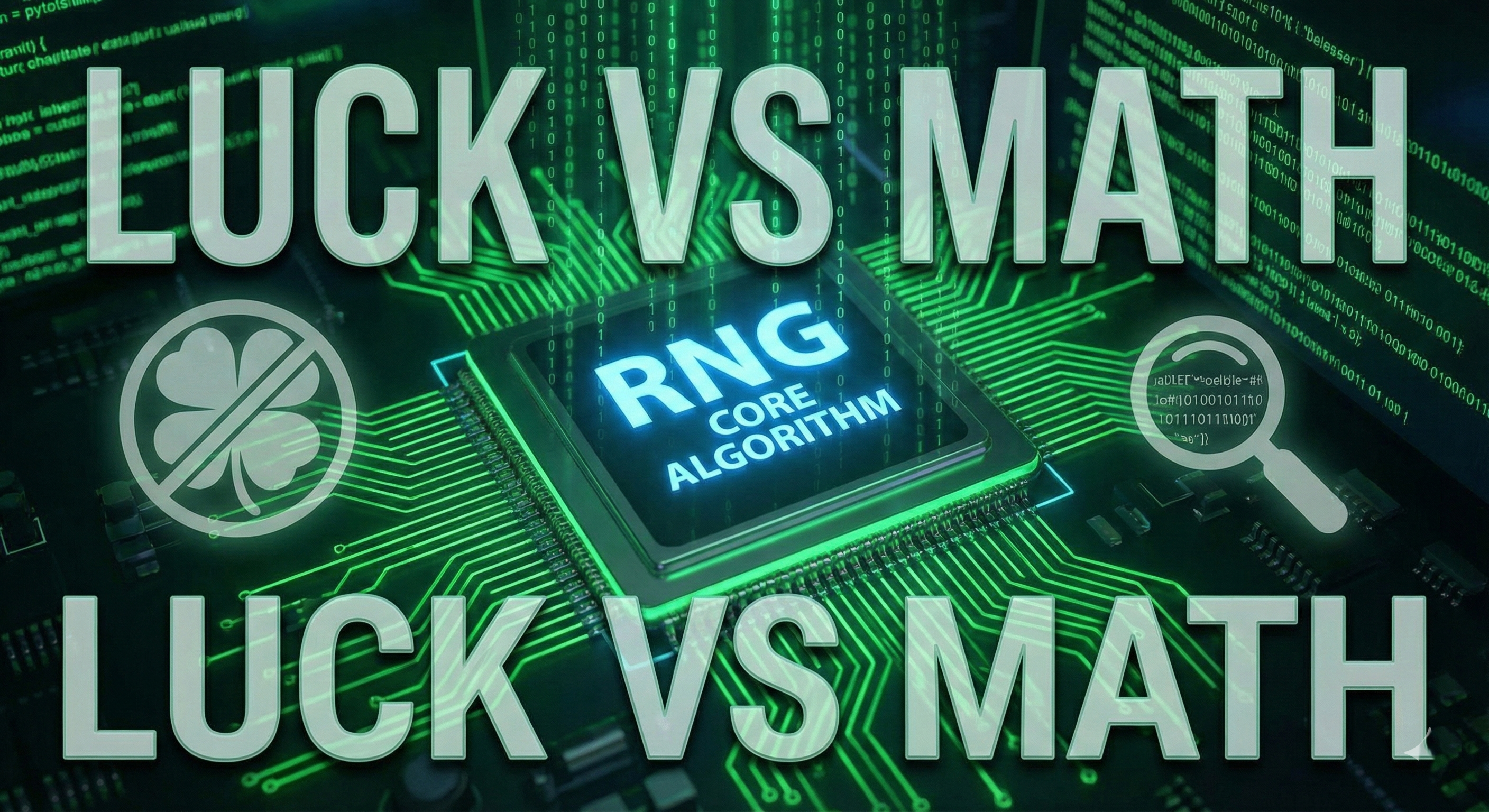
Here we draw the hard line that protects trust: lucky numbers do not alter RNG odds. You can still keep your number-just don’t confuse it with probability.
RNG Basics Independent Events; What Random Looks Like
For many game systems, drops, spins, and gacha pulls, each trial is designed to be independent. NIST defines independent events as ones where the occurrence of one doesn’t affect the chance of the other.
Furthermore, computers cannot generate true randomness out of thin air. They utilize algorithms that require an initial seed state, often pulling from the system's internal clock or the exact millisecond of a mouse click, to calculate the next output.
That’s why I haven’t gotten a legendary in 40 pulls doesn’t automatically mean the next one is guaranteed, unless the game explicitly uses pity mechanics.
Also, your brain is vulnerable to apophenia-seeing patterns in random data. Britannica defines apophenia as perceiving patterns or connections where none exist.
Loot Boxes / Gacha / Spins: How To Think About Drop Luck Without Getting Tricked
- If a game publishes drop rates, trust the stated system more than your streak.
- If a game includes pity guarantees after a threshold, that’s a mechanic, not luck.
- If a game doesn’t clearly explain monetized odds, treat lucky number content as entertainment, not strategy.
Illustrative scenario:A player always pulls at 8:08 and believes it works. The real benefit might be routine and calm. The odds stay the same.
Myth Vs Reality Checklist Scannable
- Myth:I’m due because I’ve had bad luck lately. Reality: Independence means past randomness doesn’t force future outcomes.
- Myth:This number boosts drop rates. Reality: Numbers can change your mindset, not the RNG.
- Myth:Streaks prove something is rigged. Reality: Streaks can happen naturally; investigate only when systems lack transparency.
2-column Decision Table: Where Lucky Numbers Help Vs Where They Don’t
| Good uses of lucky numbers | Places they won’t help RNG reality |
| Gamer tags, clan IDs, jersey numbers | Drop rates, loot box odds, gacha pulls |
| Pre-match routines that help focus | Being due after losses or dry streaks |
| Team identity shared number lore | Predicting today’s lucky number outcomes |
| Confidence cues my number, my calm | Forcing patterns out of random streaks |
Takeaway:If the system is random, your number is for you, not for the algorithm.
How To Choose Your Personal Lucky Number As A Gamer: 3-step Method
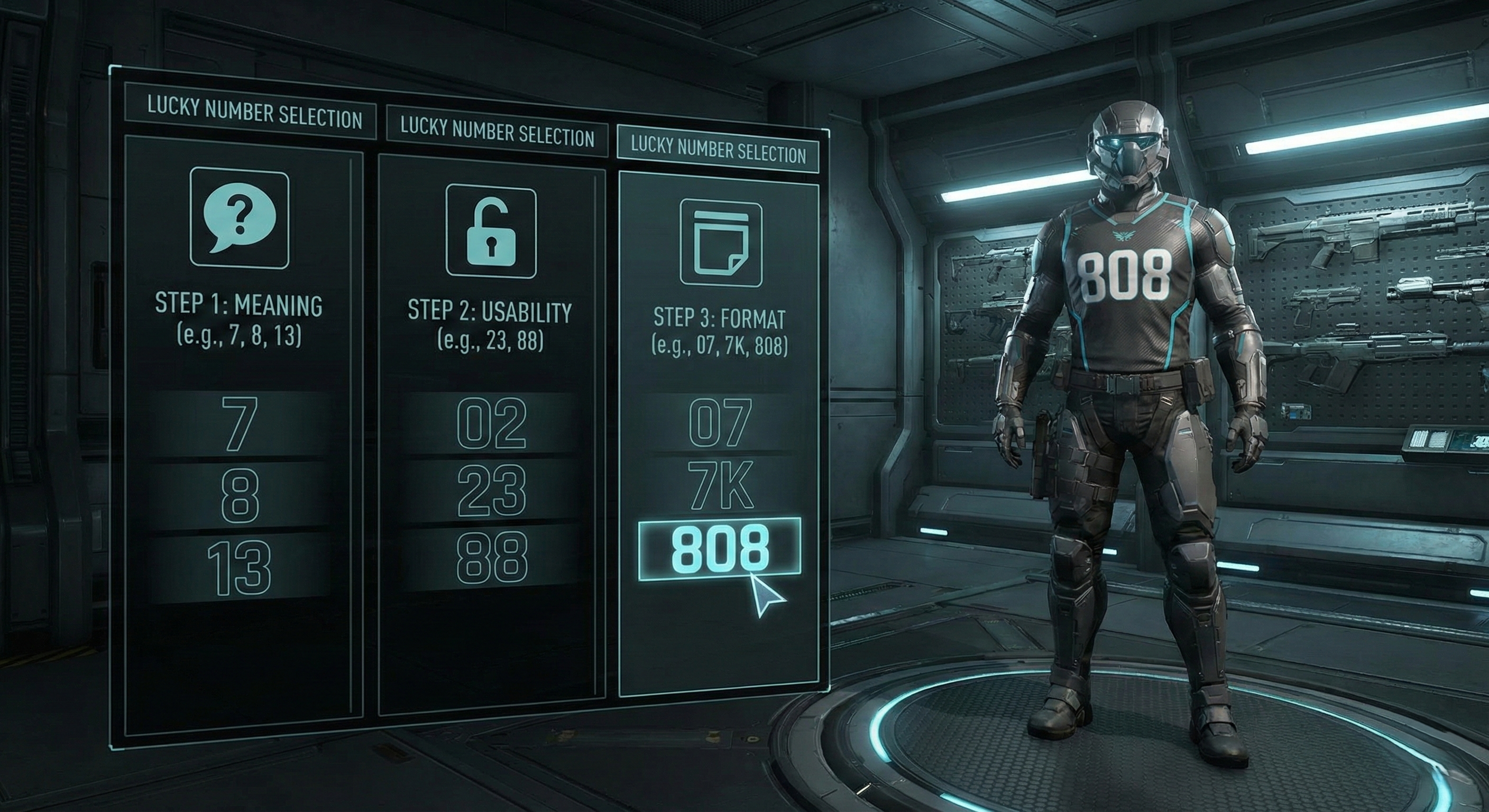
You’ll leave this section with a number you can actually use-one that fits your identity and stays readable in tags, clan names, and handles.
Step 1 - Pick Meaning, Culture, Story, Memory, Fandom
Pick one anchor:
- A number with cultural meaning 7, 8, 9
- A personal origin story, first LAN win date, and favorite athlete number
- A fandom marker 23 for sports lore, 117 for Halo fans, etc.
- A reclaimed number 13 if you enjoy the edge factor
Step 2 - Pick Usability Readable, Short, Not Overused
Ask:
- Can someone read it fast on a scoreboard?
- Does it look clean in small fonts?
- Is it overused in your game’s community?
Often, two digits are the sweet spot:07, 13, 23, 88.
Step 3 - Pick A Format 07 Vs 7; 808; 13X
Formats gamers actually stick with:
- Leading zero:07, 09 looks uniform and intentional
- Double/layered:88, 808, 777 more ritual-coded, more memorable
- Hybrid:7K, 13X, 23Z keeps it unique
Worked Example Illustrative Scenario: Choosing A Clan Tag Number That’s Meaningful And Readable
A new squad wants a shared identity for a tournament:
- They like the prosperous vibe of 8, but 8 alone is too common.
- They test 08, 88, and 808 in the game UI.
- They pick 808 because it reads clearly, looks balanced, and becomes a shared joke: 8-0-8, rotate at eight.
They didn’t hack luck. They built team identity-and that can affect coordination and confidence.
Takeaway:The best lucky number is the one that feels meaningful and survives real gameplay constraints.
Lucky Numbers For Gamer Tags, Clan Names, And IDs Practical Templates
This is the make it usable section-formats that look intentional instead of spammy.
Clean Formats That Look Pro
- Name + two digits:Nova07, Khan13, Rift23
- Digits + suffix:07Nova, 13Rift
- Mirror/stack:Nova88, Nova808
- Minimalist:N7, R8, V13 works when short handles are allowed
Avoiding Common Problems Too Long, Hard To Read, Banned Characters
- If your game compresses names, avoid long number strings, e.g., 777777.
- Watch for fonts where 1/I or 0/O are confusing.
- Don’t rely on special characters that often get rejected.
If Your Name Is Taken: Smart Number Substitutions Without Looking Spammy
- Use meaningful alternates:7 → 07 → 17 if it matters to you
- Use paired culture numbers:7 + 8 → 78 or 708
- Use personal milestone numbers month/day without exposing private info
Takeaway:A lucky number in a tag works best when it’s clean, readable, and story-backed.
If you searched lucky number game online, here’s what you might mean
The SERP for lucky numbers is messy. This section is a fast disambiguation so readers don’t land on the wrong intent.
Lucky Numbers Board Game / Board Game Arena - Quick Rules Summary
If you meant the tile game Lucky Numbers, here’s the core idea: players fill a 4×4 grid with numbered tiles while keeping every row and column in ascending order. You draw a tile or take one from the discard, place it, and you may swap tiles to maintain order.
It’s quick, tactical, and surprisingly tense-because one bad placement can lock your grid.
Lucky Numbers Deluxe - What Deluxe Refers To Brief, Factual
Deluxe can refer to an upgraded edition of materials/accessibility or a packaged version, depending on the publisher or platform.
The safe move:verify the publisher listing and what’s included, components, rule changes, or accessibility features before assuming it’s a different game.
Poppo Lucky Number Games - Safety-first Notes No Win Big Promises
Some searches lead to app-based lucky number mini-games, tutorials, or APK pages. Treat any content that promises guaranteed returns as a red flag, especially if it pushes payments, off-store installs, or secret methods. If you try a game like this, stick to official platforms and basic account security hygiene.
International Lottery Betting Sportsbooks:In many regions, particularly South Africa, 'Lucky Numbers' is the official sportsbook term for betting on international lotteries. If you are looking for odds on a daily draw, you are looking for a betting platform, not a video game.
Takeaway:Before you chase lucky numbers, confirm whether you meant a superstition, a board game, or an app mini-game.
Game On: Lucky Numbers In Practice
How do these numbers actually manifest in modern gameplay? They transition from abstract concepts into hard mechanics across both physical and digital tables.
Tabletop Mechanics: Lucky Numbers Board Game Rules
The concept is so universally engaging that it spawned its own dedicated tabletop experience. In the board game simply titled Lucky Numbers, players are tasked with filling a 4x4 grid with numbered tiles.
The core rule dictates that every row and column must ascend in numerical value. Here, luck is a misnomer; players must use pure spatial strategy and probability management to outmaneuver their opponents, regardless of which tile they draw.
Digital Arenas: RNG, Poppo, And Casino Apps
In digital arenas, from casual apps like Poppo live games to traditional online casino roulettes, players constantly input their preferred digits. They select sequences hoping to match the platform's draw. However, the architecture of these platforms relies on RNG.
RNG Random Number Generation is a complex algorithm designed to produce sequences lacking any predictable pattern. It ensures fair, entirely random outcomes that no cultural superstition can manipulate.
The Danger Zone: Unlucky Numbers To Avoid
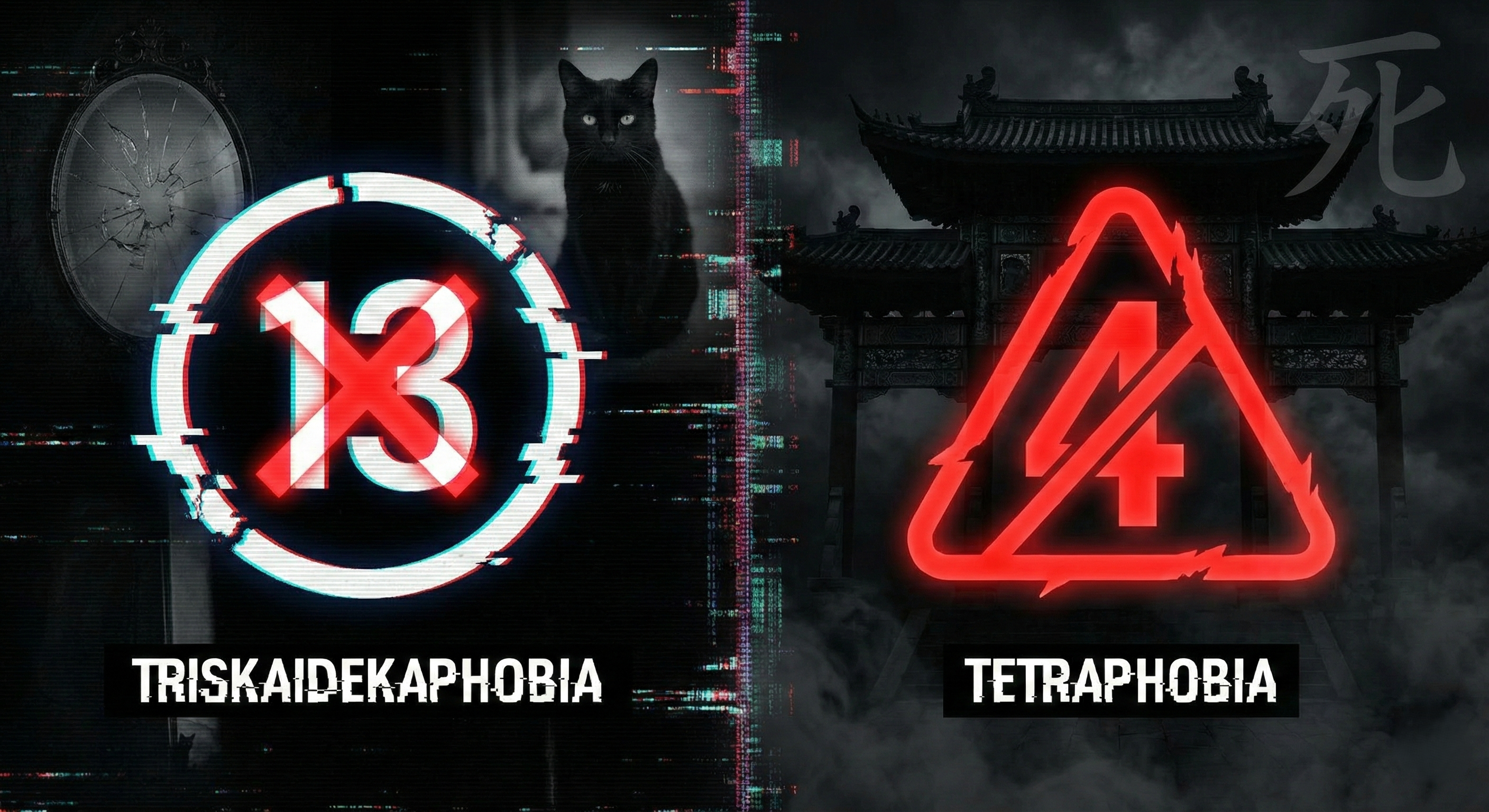
Just as cultures elevate certain integers, they actively shun others. Understanding these negative associations is crucial for international game developers and players participating in cross-cultural lobbies.
Triskaidekaphobia: The Fear Of 13
The fear of the number thirteen, known clinically as triskaidekaphobia, is the most prominent numerical superstition in the Western world. Its origins trace back to various historical and religious texts where the thirteenth participant was associated with betrayal or misfortune.
Consequently, you will rarely see a professional gamer willingly adopt the number 13 for a high-stakes tournament.
Tetraphobia: Why Gamers Avoid 4
In many East Asian cultures, the number four is actively avoided, a phenomenon known as tetraphobia. The reasoning is purely linguistic. In Mandarin, Cantonese, Japanese, and Korean, the word for four sounds nearly identical to the word for death.
This association is so strong that regional video games, tabletop sets, and even esports team housing frequently omit the number four entirely.
Frequently Asked Questions
What Are The Top 5 Luckiest Numbers?
Globally, the top five luckiest numbers are often cited as 7, 8, 3, 9, and 12, heavily influenced by Western and Eastern cultural histories.
Which Is Luckier, 5 Or 7?
In Western cultures, 7 is traditionally considered luckier due to historical and religious significance, while 5 is often viewed as neutral or dynamic.
Is 13 Or 11 Unlucky?
Number 13 is famously considered unlucky in Western superstitions, triskaidekaphobia, while 11 is generally viewed neutrally or as a master number in numerology.
Is 4 A Bad Number?
In many East Asian cultures, 4 is considered highly unlucky because its pronunciation sounds similar to the word for death, tetraphobia.
What Numbers Attract Luck?
Numbers like 8 wealth in China and 7 divine perfection in Western history are most commonly believed to attract luck and positive outcomes.
How To Play The Lucky Number Game On Poppo?
Players typically select a sequence of numbers before a draw, hoping their chosen digits match the platform's randomly generated winning sequence.
What Are The Lucky Numbers Game Rules?
In the tabletop game, players draw tiles to fill a 4x4 grid, ensuring numbers ascend numerically in every row and column.
Does Picking Lucky Numbers Beat RNG?
No. Random Number Generators RNG use complex algorithms to ensure outcomes are completely random, making personal lucky numbers statistically irrelevant to the result.
Is 9 A Bad Number?
It depends on the culture. In China, 9 represents longevity and emperor status, but in Japan, it sounds like the word for suffering.
Is 12 A Lucky Number?
Yes, 12 is widely considered a lucky or complete number globally, reflecting the months in a year, hours on a clock, and zodiac signs.
Is 23 A Lucky Number?
Number 23 is a popular enigma in gaming and culture, often viewed as lucky or significant due to the 23 Enigma phenomenon.
Why Do Gamers Have Lucky Numbers?
Gamers use lucky numbers to create an illusion of control and reduce anxiety in situations governed entirely by chance or RNG mechanics.
What Are Casino Lucky Numbers Today?
There are no guaranteed daily casino numbers; outcomes are mathematically random. However, players frequently default to 7, 17, and 8 on roulette wheels.
Can A Lucky Number Change A Game's Outcome?
No. While it enhances the entertainment value and personal connection to the game, a lucky number cannot mathematically alter a randomized outcome.
Are Lucky Game APKs Safe?
Many unregulated APKs pose security risks. Always verify the publisher, read reviews, and understand that no app can guarantee lucky winning outcomes.
Conclusion
Whether you are placing a tile on a tabletop grid or waiting for a digital matchmaking lobby to load, the numbers you lean on tell a story about human psychology. We use these digits to find patterns in chaos and to claim a tiny sliver of control over the unpredictable nature of gaming.
While the hard science of Random Number Generation guarantees that a seven is no more likely to hit than a four, understanding the cultural and psychological weight of these numbers adds a rich layer of enjoyment to your playtime.
Play the odds smartly, respect the mathematics behind the screen, but never hesitate to pick your favorite lucky numbers for gamers, if only for the thrill of the draw.
Jump to
Lucky Numbers For Gamers: The Science And Superstition Behind The Digits
The Cultural Code: Global Lucky Numbers For Gamers
Why Lucky Numbers Feel Real In Gaming: The Psychology, Explained Simply
Luck Vs RNG: Where Numbers Cannot Change The Outcome
How To Choose Your Personal Lucky Number As A Gamer: 3-step Method
Lucky Numbers For Gamer Tags, Clan Names, And IDs Practical Templates
Game On: Lucky Numbers In Practice
The Danger Zone: Unlucky Numbers To Avoid
Frequently Asked Questions
Conclusion

Suleman Shah
Author
Suleman Shah is a researcher and freelance writer. As a researcher, he has worked with MNS University of Agriculture, Multan (Pakistan) and Texas A & M University (USA). He regularly writes science articles and blogs for science news website immersse.com and open access publishers OA Publishing London and Scientific Times. He loves to keep himself updated on scientific developments and convert these developments into everyday language to update the readers about the developments in the scientific era. His primary research focus is Plant sciences, and he contributed to this field by publishing his research in scientific journals and presenting his work at many Conferences.
Shah graduated from the University of Agriculture Faisalabad (Pakistan) and started his professional carrier with Jaffer Agro Services and later with the Agriculture Department of the Government of Pakistan. His research interest compelled and attracted him to proceed with his carrier in Plant sciences research. So, he started his Ph.D. in Soil Science at MNS University of Agriculture Multan (Pakistan). Later, he started working as a visiting scholar with Texas A&M University (USA).
Shah’s experience with big Open Excess publishers like Springers, Frontiers, MDPI, etc., testified to his belief in Open Access as a barrier-removing mechanism between researchers and the readers of their research. Shah believes that Open Access is revolutionizing the publication process and benefitting research in all fields.

Han Ju
Reviewer
Hello! I'm Han Ju, the heart behind World Wide Journals. My life is a unique tapestry woven from the threads of news, spirituality, and science, enriched by melodies from my guitar. Raised amidst tales of the ancient and the arcane, I developed a keen eye for the stories that truly matter. Through my work, I seek to bridge the seen with the unseen, marrying the rigor of science with the depth of spirituality.
Each article at World Wide Journals is a piece of this ongoing quest, blending analysis with personal reflection. Whether exploring quantum frontiers or strumming chords under the stars, my aim is to inspire and provoke thought, inviting you into a world where every discovery is a note in the grand symphony of existence.
Welcome aboard this journey of insight and exploration, where curiosity leads and music guides.
Latest Articles
Popular Articles