Remodeling Severe Scoliosis With CAD/CAM Braces [Expert Guide]
The future of scoliosis treatment lies in advanced technologies like CAD/CAM. These braces deliver better, more reliable correction for both trunk and backshape deformities.
Author:Suleman ShahReviewer:Han JuNov 08, 2024
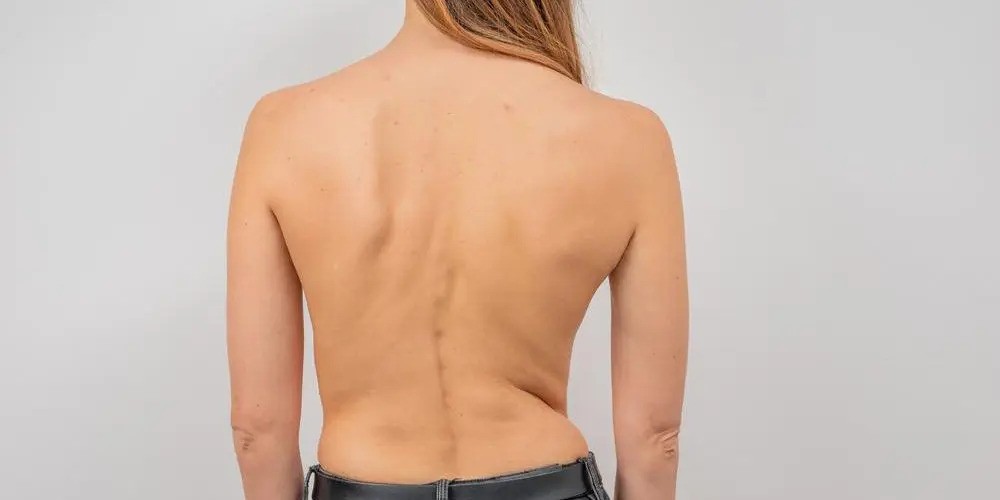
Scoliosis, a complex three-dimensional spinal and trunk deformity, affects countless individuals, especially during growth spurts. While treatment methods have advanced, the debate around the most effective forms of management persists. Bracing, in particular, has been both lauded and criticized. Yet, the rise of standardized asymmetric computer-aided design and manufacturing (CAD/CAM) braces has introduced a more sophisticated and promising solution for managing scoliosis, especially for severe cases.
Historically, scoliosis braces lacked precision, leading to varied results. Now, with the integration of CAD/CAM technology, clinicians can create braces that provide more accurate and consistent corrections. This article will discuss how these innovations have significantly improved treatment outcomes, particularly in remodelling trunk and backshape deformities.
Understanding Scoliosis
Scoliosis is characterized by an abnormal lateral curvature of the spine, typically accompanied by vertebral rotation and trunk deformities. As the condition progresses, the curvature may worsen, especially during periods of rapid growth. Left untreated, scoliosis can lead to not only cosmetic concerns but also functional impairments, including breathing difficulties and chronic pain.
Effective treatment is essential during the early stages of scoliosis, and bracing remains one of the most effective conservative interventions. However, not all braces are equal, and the need for individualized solutions is clear.
In managing scoliosis, addressing not only the physical deformities but also overall healthis crucial. For example, incorporating strategies for a healthy lifestylecan enhance treatment effectiveness, helping the body respond better to interventions like bracing.
Types Of Braces Used For Scoliosis
Symmetric Braces
Traditional braces, such as the Boston brace, are typically symmetric and designed to stabilize the spine by applying pressure in specific areas. While these braces can prevent progression of the curve, their effectiveness is limited, especially for more complex or larger curves. Symmetric braces often fail to address the rotational component of scoliosis, which is critical in achieving a more comprehensive correction.
Asymmetric Braces
In contrast, asymmetric braces target both the lateral and rotational deformities of scoliosis, offering a more personalized and effective approach. By providing targeted pressure at specific points on the trunk, these braces aim to correct the three-dimensional nature of the deformity. Standardized asymmetric CAD/CAM braces take this concept even further by allowing for precise customization based on individual patient needs, improving comfort and compliance.
Biomechanics Of Bracing
Effective bracing not only corrects spinal curves but can also offer surprising health benefits, such as improved posture and reduced strain on the body. These benefits go beyond the visible corrections, positively impacting overall physical health.
The effectiveness of scoliosis braces depends on their ability to guide the spine into a more natural alignment, both in termsof lateral curvature and rotation. This is achieved through a combination of corrective forces and support. The primary biomechanical objectives of bracing include:
- Lateral Displacement Correction: Shifting the spine away from its abnormal curve.
- Rotational Correction: Addressing vertebral rotation that contributes to rib hump and other trunk deformities.
- Spinal Elongation: Applying forces that help elongate the spine and reduce compression forces.
In asymmetric braces, the design ensures that these forces are applied more effectively, leading to better correction rates, particularly in more severe cases. The success of the brace also depends on the number of hours worn and patient compliance, as consistent use helps maintain the correction achieved.
Standardized Asymmetric CAD/CAM Braces
The advent of CAD/CAM technology has revolutionized the field of scoliosis treatment. Traditional manual manufacturing of braces often led to inconsistencies in quality and effectiveness. With CAD/CAM, each brace is tailored precisely to the patient’s body and curvature pattern. The benefits of this approach are numerous:
- Precision: The exact dimensions of the patient’s torso are scanned, ensuring a perfect fit.
- Consistency: Each brace can be reproduced with minimal variability, ensuring uniform results across patients.
- Increased Comfort: With a more precise fit, patients are more likely to wear the brace consistently, improving outcomes.
Moreover, CAD/CAM braces can be adjusted based on a patient’s progress, allowing for continuous improvement throughout treatment.
Case Studies Of Patients Treated With CAD/CAM Braces
Case 1: Initial Cobb Angle Of 48°
A young girl, aged 11, presented with a Cobb angle of 48°. She wore a standardized asymmetric CAD/CAM brace for five years. By the end of her treatment, her curvature had reduced to 24°, showing significant radiological and clinical improvement. This patient’s compliance and the high corrective potential of the brace were key factors in her success.
Case 2: Decompensated Thoracic Curvature
A 14-year-old boy with a 56° Cobb angle began treatment with a standardized brace. Despite the complexity of his decompensated thoracic curve, the brace successfully reduced his curvature to 43°. The brace transformed his single curve into a double major curve, significantly improving his overall spine balance and appearance. The more balanced spine is also less prone to progression post-treatment.
Case 3: Severe Scoliosis In An Adolescent Girl
A 13-year-old girl, with a 54° Cobb angle, wore a CAD/CAM brace designed specifically for her severe thoracic curvature. After consistent use over several years, her curvature improved to 33°. Like the previous case, the shift from a single curve to a double curve improved both her clinical appearance and long-term stability.
Challenges In Scoliosis Bracing
Managing scoliosis and the challenges that come with it can be difficult for patients. However, treatment can lead to improved mobility and reduced pain, which significantly improves your mental health, offering a better quality of lifeand greater confidence. While standardized asymmetric braces offer improved outcomes, several challenges remain:
- Compliance: Wearing a brace for the recommended hours daily can be uncomfortable, and many patients struggle with consistency.
- Design Variability: Not all braces are created equal. Differences in design and the skill of the practitioner can significantly affect the results.
- Psychosocial Impact: Adolescents, in particular, may experience self-consciousness or discomfort, which can hinder compliance.
Addressing these challenges requires a combination of improved brace design, patient education, and psychosocial support.
Surgery Vs. Bracing
For many years, surgery was considered the only viable option for patients with severe scoliosis, especially for curves exceeding 45° or 50°. Spinal fusion surgery, while effective in halting curve progression, comes with significant risks:
- Long-Term Complications: Many patients experience issues with mobility, chronic pain, and the risk of metallosis.
- Reoperation Rates: The need for additional surgeries due to complications or degeneration of the spine is not uncommon.
In contrast, bracing—especially with standardized asymmetric CAD/CAM braces—offers a non-invasive alternative with fewer long-term risks. While bracing requires more time and patience, the outcomes are often comparable to surgery without the associated risks.
Importance Of Standardization In Bracing
The standardization of braces through CAD/CAM technology ensures consistent, reliable results. Previously, manually crafted braces varied in quality depending on the practitioner’s experience. Now, standardized models from CAD libraries provide a high baseline quality, ensuring that patients receive the best possible treatment. This approach minimizes the risk of unpredictable outcomes, allowing for more reliable corrections.
Role Of Exercises In Scoliosis Treatment
While bracing is the primary method for correcting scoliosis, there is growing evidence supporting the role of scoliosis-specific exercises. These exercises, often performed under the supervision of a trained specialist, aim to strengthen the muscles supporting the spine, improving posture and balance. When combined with bracing, exercises can enhance overall treatment outcomes.
Frequently Asked Questions
How Effective Are Asymmetric Braces For Scoliosis?
Asymmetric braces have shown to be highly effective in addressing both the lateral and rotational components of scoliosis. They offer a more targeted approach, leading to better corrections, especially in severe cases.
Can Bracing Prevent Scoliosis From Worsening?
Yes, bracing can prevent the progression of scoliosis, particularly when initiated early and worn consistently for the recommended hours each day.
What Are The Side Effects Of Wearing A Scoliosis Brace?
Common side effects include discomfort, skin irritation, and restricted movement. However, these can often be minimized with proper brace fitting and adjustments.
How Long Should A Scoliosis Brace Be Worn Each Day?
Braces are typically worn for 16 to 23 hours per day, depending on the severity of the curve and the treatment plan prescribed by the clinician.
Is Surgery Always Necessary For Severe Scoliosis?
Not always. While surgery is an option for some patients with severe curves, standardized asymmetric CAD/CAM braces offer a non-invasive alternative that can produce similar outcomes without the risks associated with surgery.
Final Thoughts
The evolution of scoliosis treatment through standardized asymmetric CAD/CAM braces has significantly improved outcomes for patients, especially those with severe curves. These braces offer a non-invasive, highly effective alternative to surgery, with fewer long-term risks and complications. As technology continues to advance, the future of scoliosis treatment looks promising, offering patients more options for managing their condition effectively.
Jump to
Understanding Scoliosis
Types Of Braces Used For Scoliosis
Biomechanics Of Bracing
Standardized Asymmetric CAD/CAM Braces
Case Studies Of Patients Treated With CAD/CAM Braces
Challenges In Scoliosis Bracing
Surgery Vs. Bracing
Importance Of Standardization In Bracing
Role Of Exercises In Scoliosis Treatment
Frequently Asked Questions
Final Thoughts

Suleman Shah
Author
Suleman Shah is a researcher and freelance writer. As a researcher, he has worked with MNS University of Agriculture, Multan (Pakistan) and Texas A & M University (USA). He regularly writes science articles and blogs for science news website immersse.com and open access publishers OA Publishing London and Scientific Times. He loves to keep himself updated on scientific developments and convert these developments into everyday language to update the readers about the developments in the scientific era. His primary research focus is Plant sciences, and he contributed to this field by publishing his research in scientific journals and presenting his work at many Conferences.
Shah graduated from the University of Agriculture Faisalabad (Pakistan) and started his professional carrier with Jaffer Agro Services and later with the Agriculture Department of the Government of Pakistan. His research interest compelled and attracted him to proceed with his carrier in Plant sciences research. So, he started his Ph.D. in Soil Science at MNS University of Agriculture Multan (Pakistan). Later, he started working as a visiting scholar with Texas A&M University (USA).
Shah’s experience with big Open Excess publishers like Springers, Frontiers, MDPI, etc., testified to his belief in Open Access as a barrier-removing mechanism between researchers and the readers of their research. Shah believes that Open Access is revolutionizing the publication process and benefitting research in all fields.

Han Ju
Reviewer
Hello! I'm Han Ju, the heart behind World Wide Journals. My life is a unique tapestry woven from the threads of news, spirituality, and science, enriched by melodies from my guitar. Raised amidst tales of the ancient and the arcane, I developed a keen eye for the stories that truly matter. Through my work, I seek to bridge the seen with the unseen, marrying the rigor of science with the depth of spirituality.
Each article at World Wide Journals is a piece of this ongoing quest, blending analysis with personal reflection. Whether exploring quantum frontiers or strumming chords under the stars, my aim is to inspire and provoke thought, inviting you into a world where every discovery is a note in the grand symphony of existence.
Welcome aboard this journey of insight and exploration, where curiosity leads and music guides.
Latest Articles
Popular Articles