15 Clear Signs That You Are Too Emotional And How To Manage It
Do small inconveniences upset you more than they should? You might be experiencing emotional sensitivity-here’s how to identify the signs.
Author:Suleman ShahReviewer:Han JuDec 17, 2024857 Shares122.3K Views

Emotions are an essential part of what makes us human. They allow us to connect with others, process experiences, and make sense of the world around us. However, when emotions begin to dominate our thoughts, decisions, and daily lives, they can become overwhelming and harmful.
Understanding whether you are overly emotional is the first step toward healthier emotional management and balance.
In this article, we will explore the key signs that you may be too emotional, why some people experience stronger emotional responses than others, and practical ways to manage emotions effectively.
What Does It Mean To Be “Too Emotional”?
Being “too emotional” doesn’t mean experiencing emotions is bad. Emotions, such as happiness, sadness, anger, and fear, are normal and necessary. However, when emotional responses are disproportionate to the situation, happen too frequently, or interfere with your ability to function, it can signal that you are struggling to manage your emotions effectively.
Example:Imagine missing your bus and feeling uncontrollable sadness or anger that lingers all day. Small setbacks shouldn’t dominate your emotional state.
For example:
- Feeling extremely upset over small inconveniences.
- Being unable to control tears or anger in situations that don’t warrant such reactions.
- Allowing emotions to dictate decision-making instead of logical thought.
- Feeling physical symptoms like muscle tension, headaches, or fatigue due to emotional stress.
The key is recognizing when emotions become overwhelming and start negatively affecting your well-being.
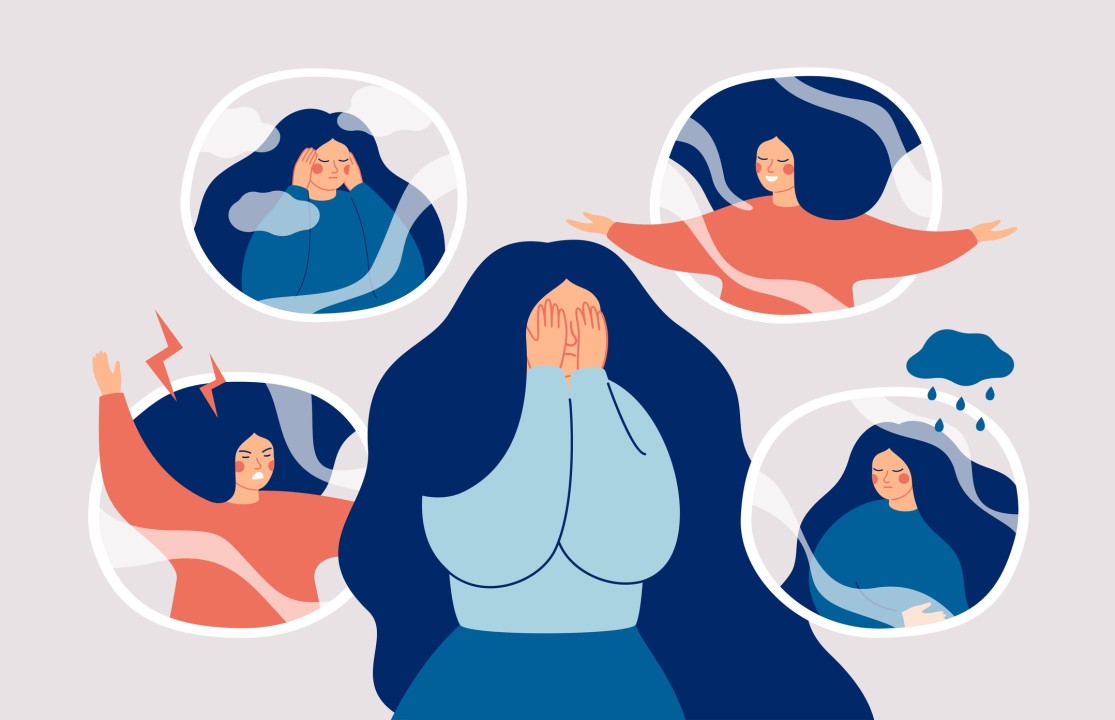
15 Signs That You Are Too Emotional
If you suspect you might be too emotional, here are more than 10 key signs to look out for. Each habit is explained in detail to help you identify emotional overwhelm patterns in your life.
1. You Overreact To Minor Situations
Overreacting to small problems is a common sign of being overly emotional. For instance, minor inconveniences like spilling coffeeor hitting traffic can trigger extreme anger, frustration, or sadness. These disproportionate responses often leave you feeling exhausted or regretful afterward.
2. You Take Everything Personally
Taking harmless comments or actions as personal attacks can indicate heightened emotional sensitivity. For example, if a coworker offers constructive criticism, you may feel deeply hurt or assume they dislike you. This habit can strain relationships and create unnecessary emotional stress.
3. You Feel Hurt Easily
People who are overly emotional tend to be deeply affected by small misunderstandings or offhand remarks. Even unintentional slights can cause feelings of sadness or rejection. This heightened emotional response often stems from insecurities or past experiences.
4. You Startle Easily To Loud Noises
Heightened sensitivity to loud noises, such as sudden sounds or yelling, can be a physical sign of emotional overwhelm. This reaction is often seen in highly sensitive individuals (HSPs)who process external stimuli more deeply than others.
5. You Become Overwhelmed By Physical Stimuli
Overstimulation from light, sounds, smells, or crowded spaces can leave you feeling emotionally and physically drained. This sensitivity may make social events or busy environments particularly exhausting for emotionally sensitive individuals.
6. Your Mood Swings Are Extreme
Frequent and intense mood changes are a clear sign of emotional instability. You may shift quickly from happiness to sadness, anger, or anxiety, often without a significant trigger. These fluctuations can confuse those around you and make you feel emotionally out of control.
7. You Often Cry Or Hide Your Tears
While crying is a natural emotional release, frequent episodes over small issues may suggest emotional sensitivity. Many overly emotional people also hide their tears out of fear of judgment, which can worsen feelings of isolation or shame.
8. You Struggle To Say “No” Without Guilt
Difficulty setting boundaries can lead to emotional exhaustion. If you often say “yes” to requests despite feeling overwhelmed, it might stem from a deep desire to please others or avoid conflict. Over time, this can cause resentment and burnout.
9. You Are Irritable And Reactive
Small irritations, such as someone chewing loudly or an unexpected interruption, can trigger intense anger or frustration. This heightened reactivity often reflects emotional fatigue or stress and may lead to impulsive reactions you regret later.
10. You Constantly Feel Drained Or Fatigued
Emotional highs and lows can take a toll on your physical and mental energy. If you frequently feel exhausted, even after minimal activity, it may be a sign that you are emotionally overwhelmed. Fatigue often accompanies excessive worrying or emotional overthinking.
11. You Overthink And Worry Excessively
Ruminating over past events or worrying excessively about the future is common among overly emotional individuals. You may replay conversations or anticipate worst-case scenarios, which amplifies stress and anxiety.
12. You Have Difficulty Concentrating
When emotions are heightened, focusing on tasks becomes challenging. You may find yourself easily distracted, procrastinating, or struggling to finish projects. Emotional overwhelm can cloud your ability to think clearly and prioritize.
13. You Withdraw Often
Withdrawing from social interactions or isolating yourself is a defense mechanism for emotionally overwhelmed individuals. You may avoid people or events to protect yourself from further emotional stress, even if isolation worsens your feelings of sadness or loneliness.
14. You Feel Overwhelming Sadness
Feeling deep sadness that lingers for extended periods, especially over minor situations, can be a sign of emotional imbalance. This sadness may appear without an obvious cause, leaving you emotionally vulnerable.
15. You’re Very Compassionate And Empathetic
While empathy is a beautiful trait, feeling deeply for others can sometimes be overwhelming. You may find yourself emotionally invested in other people’s problems, leading to emotional exhaustion or feeling burdened by issues beyond your control.

Why Are Some People More Emotional Than Others?
Several factors can contribute to heightened emotional responses, including:
- Genetics: Studies show that emotional sensitivity may have a genetic basis. Traits like sensory processing sensitivitycan cause individuals to feel emotions more deeply.
- Hormonal Imbalances: Hormones such as estrogen and testosterone can affect mood regulation, particularly during menstruation, menopause, or due to conditions like PCOS.
- Stress and Mental HealthConditions: Chronic stress, anxiety, depression, PTSD, or ADHDcan magnify emotional responses.
- Sleep Deprivation: A lack of sleep impairs emotional regulation, leading to irritability, anxiety, and sadness.
- Diet and Lifestyle: Poor nutrition and lack of exercise have been linked to mood instability and heightened emotions.
- Trauma and Past Experiences: Unresolved trauma can cause emotional sensitivity to unrelated events.
Understanding these causes can empower you to take targeted steps toward emotional balance.
The Impact Of Being Overly Emotional On Daily Life
Being too emotional can affect various aspects of life, including:
- Relationships: Emotional reactivity can strain communication, leading to misunderstandings or conflict.
- Decision-Making: Impulsivity driven by emotions may result in poor choices.
- Physical and Mental Health: Emotional overwhelm can cause fatigue, muscle tension, headaches, anxiety, and other symptoms.
Stat:Studies show that stress-induced emotional dysregulation can lead to higher risks of anxiety disordersand cardiovascular issues.
- Work and Productivity: Difficulty concentrating or regulating emotions can impact career performance.
- Self-Worth: Feeling emotionally unstable can lead to guilt, embarrassment, or lower confidence.
Benefits Of Emotional Sensitivity
While emotional sensitivity can feel overwhelming, it also has many strengths:
"Emotional sensitivity allows us to connect deeply with others and view the world through a unique lens."
- Empathy: You are naturally aware of others’ feelings, which makes you compassionate and supportive.
- Creativity: Sensitive individuals often excel in art, music, and storytelling due to their depth of perception.
- Deep Thinking: Emotional people tend to process experiences more thoughtfully, leading to meaningful insights.
- Attention to Detail: You may notice subtle cues and details others overlook, enriching your experiences.
Recognizing and embracing these traits can help you view emotional sensitivity as a strength, not a weakness.
How To Manage Your Emotions Effectively
Quick Wins
- Pause and Breathe: When overwhelmed, count to 10 and take slow, deep breaths to regain control.
- Label Your Feelings: Acknowledge your emotions by naming them (e.g., “I feel frustrated”). This awareness reduces their intensity.
Lifestyle Changes
- Exercise Regularly: Physical activity releases endorphins that boost mood and reduce stress.
- Follow a Balanced Diet: Eat nutrient-dense meals rich in vitamins and minerals to stabilize your energy and emotions.
- Prioritize Sleep: Quality sleep helps restore emotional balance and focus.
Therapeutic Techniques
- Cognitive Behavioral Therapy(CBT): Reframe negative thoughts into rational perspectives.
- Mindfulness and Meditation: These practices help you stay present and improve emotional control.
- Emotional Regulation Therapy: Seek professional support to develop practical tools for managing emotions.
Setting Healthy Boundaries
- Learn to Say “No”: Set limits to protect your emotional energy and prevent burnout.
- Communicate Your Needs: Openly express what you need to maintain emotional balance.
For a quick guide on managing emotions, check out this helpful video below:
How to manage your emotions
FAQs About Being Too Emotional
What Causes Someone To Be Overly Emotional?
Genetics, hormonal imbalances, stress, trauma, and lifestyle factors can all contribute to heightened emotional sensitivity.
How Can I Manage My Emotions Better?
Practicing mindfulness, improving sleep, setting boundaries, and seeking therapy are effective ways to regulate emotions.
Is Emotional Sensitivity A Bad Thing?
Not at all. Emotional sensitivity allows for deep empathy, creativity, and meaningful connections.
Can Poor Sleep Or Diet Affect Emotions?
Yes, sleep deprivation and unhealthy diets can impair emotional regulation and increase mood instability.
Final Words
Emotional sensitivity is not a weakness; it is a reflection of how deeply you experience life. If your emotions feel overwhelming, taking small steps to manage them can lead to a healthier and more balanced life.
Start by identifying your triggers, adopting healthier habits, and seeking support where needed. By doing so, you empower yourself to live with emotional clarity and strength while embracing the unique perspective your sensitivity brings.

Suleman Shah
Author
Suleman Shah is a researcher and freelance writer. As a researcher, he has worked with MNS University of Agriculture, Multan (Pakistan) and Texas A & M University (USA). He regularly writes science articles and blogs for science news website immersse.com and open access publishers OA Publishing London and Scientific Times. He loves to keep himself updated on scientific developments and convert these developments into everyday language to update the readers about the developments in the scientific era. His primary research focus is Plant sciences, and he contributed to this field by publishing his research in scientific journals and presenting his work at many Conferences.
Shah graduated from the University of Agriculture Faisalabad (Pakistan) and started his professional carrier with Jaffer Agro Services and later with the Agriculture Department of the Government of Pakistan. His research interest compelled and attracted him to proceed with his carrier in Plant sciences research. So, he started his Ph.D. in Soil Science at MNS University of Agriculture Multan (Pakistan). Later, he started working as a visiting scholar with Texas A&M University (USA).
Shah’s experience with big Open Excess publishers like Springers, Frontiers, MDPI, etc., testified to his belief in Open Access as a barrier-removing mechanism between researchers and the readers of their research. Shah believes that Open Access is revolutionizing the publication process and benefitting research in all fields.

Han Ju
Reviewer
Hello! I'm Han Ju, the heart behind World Wide Journals. My life is a unique tapestry woven from the threads of news, spirituality, and science, enriched by melodies from my guitar. Raised amidst tales of the ancient and the arcane, I developed a keen eye for the stories that truly matter. Through my work, I seek to bridge the seen with the unseen, marrying the rigor of science with the depth of spirituality.
Each article at World Wide Journals is a piece of this ongoing quest, blending analysis with personal reflection. Whether exploring quantum frontiers or strumming chords under the stars, my aim is to inspire and provoke thought, inviting you into a world where every discovery is a note in the grand symphony of existence.
Welcome aboard this journey of insight and exploration, where curiosity leads and music guides.
Latest Articles
Popular Articles