What Medical Conditions Disqualify You From Military Service?
Wondering what medical conditions disqualify you from the military? Discover common disqualifications and how to apply for a waiver to overcome barriers to enlistment.
Author:Suleman ShahReviewer:Han JuDec 18, 2024
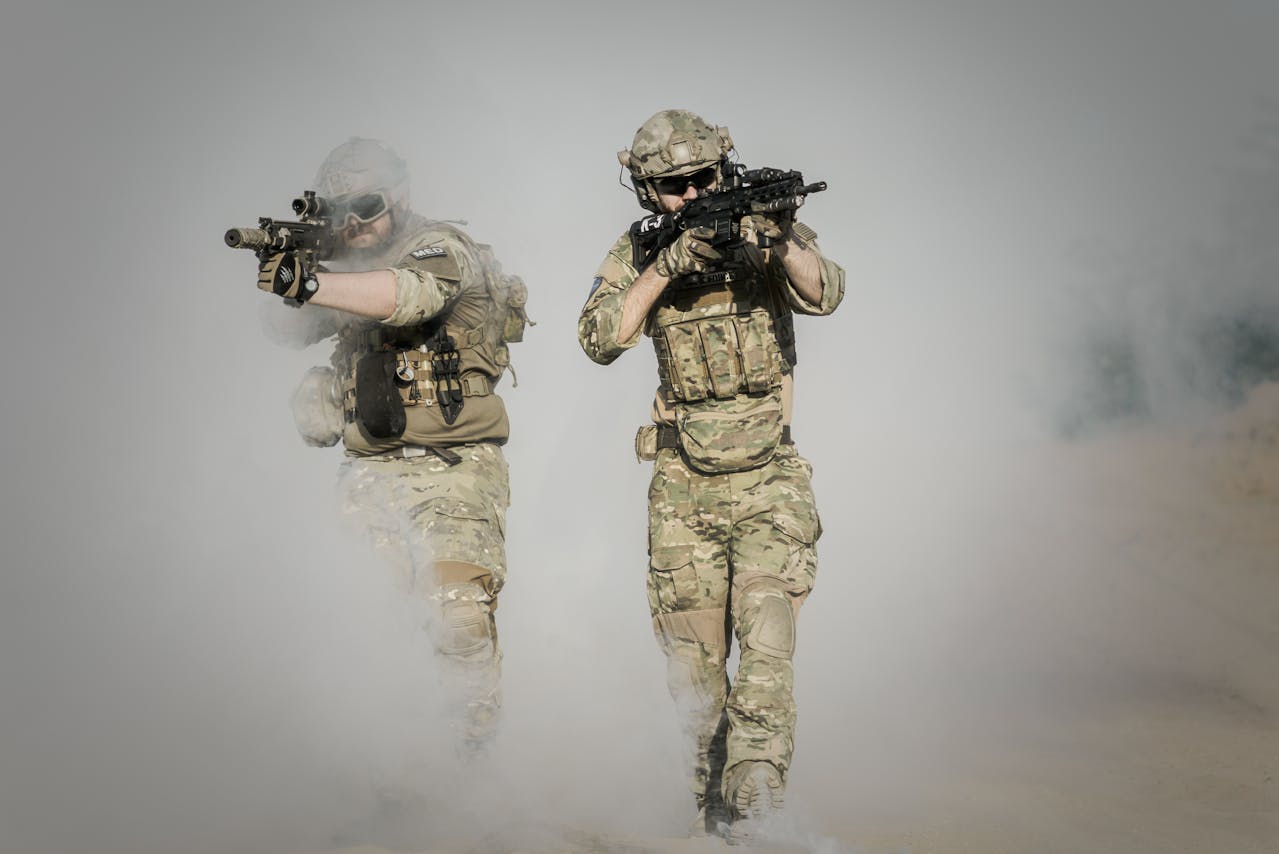
Enlisting in the U.S. Army is a proud achievement, but it's not without its hurdles. One of the key obstacles many applicants face is the medical disqualification process. While it’s understandable that many may not consider their healthhistoryas a barrier to military service, various medical conditions could hinder your ability to join or delay the process.
Fortunately, the Army has a system for considering waivers for certain conditions, but the process can be complex and requires careful navigation.
Understanding Medical Disqualification For Army Enlistment
The U.S. Army has strict medical standards to ensure that all service members can meet the physical and mental demands of military life. Certain medical conditions, however, can disqualify candidates. The good news? There are waivers available for some disqualifications. But not all conditions are waivable, and it’s essential to understand which are.
1. Physical And Medical Standards For Army Enlistment

Before discussing specific disqualifying conditions, let’s first look at the Army’s physical and medical standards. These are determined by the Department of Defense (DoD) Medical Examination Review Board (DoDMERB). Each applicant must undergo a thorough medical evaluation to ensure they meet these standards.
Key aspects evaluated include:
- Vision and hearing: Clear eyesight and the ability to hear certain frequencies.
- Body weight and physical fitness: Must meet BMI and physical fitness criteria.
- Medical history: Including any chronic conditions, surgeries, or recent health issues.
Meeting these standards doesn’t guarantee acceptance, but failing to meet them could mean disqualification unless you pursue a waiver.
2. Vision And Eye Health
Certain vision conditions such as nearsightedness (myopia), farsightedness (hyperopia), or astigmatism may disqualify you from joining the Army. However, if you’ve had refractive eye surgery, such as LASIK, your case might be reviewed on an individual basis.
- LASIK and other refractive surgeries: If the surgery was completed more than 180 days before the DoDMERB examination and you have no complications, you may still qualify for a waiver.
- Corrective lenses: Those who require corrective lenses or glasses must demonstrate a stable prescription and that the condition does not interfere with training or military duties.
3. Hearing And Ear Conditions

Hearing loss or chronic ear problems can be disqualifying. The Army requires applicants to have hearing that meets specific decibel thresholds in each ear. Current ear infections, tinnitus, or perforated eardrums may require surgeryor healing before entry.
4. Cardiovascular And Respiratory Issues
- Heart Conditions: Any significant history of heart problems, such as arrhythmias, valve issues, or other cardiovascular diseases, can lead to disqualification. For example, individuals with a history of heart surgery or conditions like hypertension may be disqualified unless they can prove stability without medication or complications.
- Asthmaand Respiratory Diseases: A history of asthma, exercise-induced bronchospasm, or other chronic respiratory conditions may be disqualifying, particularly if the condition has required medication after the age of 13.
Testimonial: “I was diagnosed with asthma as a child and was disqualified from the Army initially. However, after a thorough review of my medical history and an extensive physical evaluation, I was granted a waiver because my asthma had been under control for years without medication,” says John D., a successful Army recruit.
5. Psychiatric And Mental Health Conditions
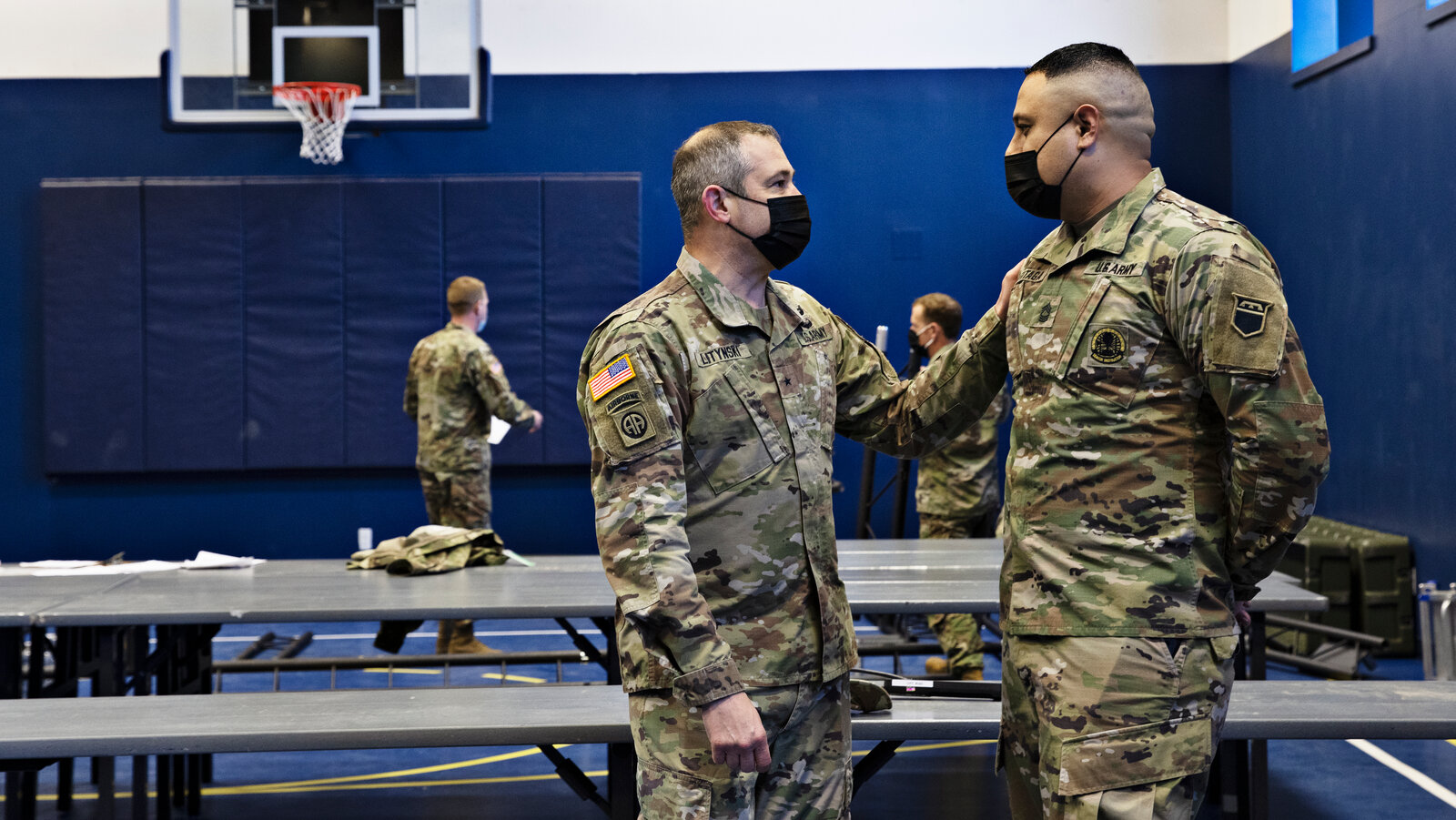
Mental healthissues such as anxiety, depression, or post-traumatic stress disorder (PTSD) can be disqualifying, particularly if the condition is unresolved or requires ongoing treatment. However, many candidates with a history of mental health treatment can still join if they demonstrate stability.
- Waiver Eligibility: Applicants who have successfully managed their mental health with no ongoing treatment for a significant period may be eligible for a waiver.
- Testimonial: “I struggled with depression during my teenage years but completed therapyand medication for over two years. After proving my stability, I was granted a waiver and successfully enlisted,” says Emily R., Army veteran.
6. Joint And Musculoskeletal Conditions

Conditions such as severe scoliosis, unhealed fractures, or any joint disorders that interfere with daily activities may disqualify you from joining. For example, applicants with a history of knee surgery (like ACL reconstruction) are typically disqualified but can often apply for a waiver if they demonstrate full recovery.
Waiver Process: How To Get Back On Track
If you're disqualified for a medical condition, don’t lose hope. The Army offers a waiver process, which means that your application will be reviewed on a case-by-case basis. Here’s how to navigate this process:
7. Steps To Apply For A Waiver
- Step 1: If you know your condition might disqualify you, the first step is to contact an Army recruiter. They can provide guidance on whether your condition is waivable.
- Step 2: Gather medical records and documents to support your case. This includes detailed medical history, diagnostic test results, and a letter from your doctor outlining your current health status.
- Step 3: Your case will be reviewed by the DoDMERB, which will assess whether you meet the medical requirements with or without a waiver.
- Step 4: If your waiver is approved, you’ll proceed with your enlistment. If it’s denied, you can appeal the decision or consider other service options.
8. What If You’re Pregnant Or Have Recent Birth?
Pregnancy is one of the conditions that can delay your Army enlistment. If you’re currently pregnant or have given birth within the past three months, you will be ineligible to join until you’ve fully recovered. The Army will require a medical clearance once the recovery period is over.
9. Additional Factors And Conditions That Could Impact Enlistment

Drug Use and Addiction: If you have a history of drug dependence, you must provide evidence of at least three years of abstinence before applying. Occasional use of recreational drugs in the past won't automatically disqualify you, but you must stop using them and pass random drug tests once enlisted.
Dental Health: Braces or severe dental issues may disqualify you from joining. However, if you've completed treatment (i.e., removed braces), you may still be eligible.
FAQ's About What Medical Conditions Disqualify You From Military
Can You Join The Army If You Have Had Surgery Or Medical Treatment In The Past?
Yes, you can still join the Army if you’ve had surgery or medical treatment, but the condition must be fully healed and stable. For example, if you’ve had LASIK surgery or ACL reconstruction, you must meet specific recovery criteria and provide documentation to prove it.
Can You Be Disqualified For A Mental Health Condition?
A history of mental health conditions like depression or anxiety may disqualify you. However, if you have been stable for at least 15 months without treatment and have no ongoing symptoms, you may be eligible for a waiver.
Can You Join The Army If You’re Pregnant?
Pregnancy is disqualifying for Army enlistment. If you are currently pregnant or have given birth within the last three months, you’ll need to wait until you have fully recovered and received medical clearance.
How Long Do You Need To Be Drug-free Before Applying For Enlistment?
If you have a history of drug use or dependence, you must be drug-free for at least three years before applying to join the Army. This includes abstaining from both recreational drugs and prescription drug misuse.
Will I Be Tested For Drugs Once I Join The Army?
Yes, the Army conducts random drug testing throughout your service. If you fail a drug test, it could lead to disciplinary actions, including discharge.
Conclusion
Joining the Army is an admirable decision, and while medical disqualifications may seem like a significant barrier, many candidates are able to overcome them through waivers. By understanding the Army's medical standards and being proactive about your health, you can improve your chances of successfully navigating the enlistment process.
You Might Like: Delta Waves ECG Explained: How They Affect Heart Health
Jump to
Understanding Medical Disqualification For Army Enlistment
1. Physical And Medical Standards For Army Enlistment
2. Vision And Eye Health
3. Hearing And Ear Conditions
4. Cardiovascular And Respiratory Issues
5. Psychiatric And Mental Health Conditions
6. Joint And Musculoskeletal Conditions
7. Steps To Apply For A Waiver
8. What If You’re Pregnant Or Have Recent Birth?
9. Additional Factors And Conditions That Could Impact Enlistment
FAQ's About What Medical Conditions Disqualify You From Military
Conclusion

Suleman Shah
Author
Suleman Shah is a researcher and freelance writer. As a researcher, he has worked with MNS University of Agriculture, Multan (Pakistan) and Texas A & M University (USA). He regularly writes science articles and blogs for science news website immersse.com and open access publishers OA Publishing London and Scientific Times. He loves to keep himself updated on scientific developments and convert these developments into everyday language to update the readers about the developments in the scientific era. His primary research focus is Plant sciences, and he contributed to this field by publishing his research in scientific journals and presenting his work at many Conferences.
Shah graduated from the University of Agriculture Faisalabad (Pakistan) and started his professional carrier with Jaffer Agro Services and later with the Agriculture Department of the Government of Pakistan. His research interest compelled and attracted him to proceed with his carrier in Plant sciences research. So, he started his Ph.D. in Soil Science at MNS University of Agriculture Multan (Pakistan). Later, he started working as a visiting scholar with Texas A&M University (USA).
Shah’s experience with big Open Excess publishers like Springers, Frontiers, MDPI, etc., testified to his belief in Open Access as a barrier-removing mechanism between researchers and the readers of their research. Shah believes that Open Access is revolutionizing the publication process and benefitting research in all fields.

Han Ju
Reviewer
Hello! I'm Han Ju, the heart behind World Wide Journals. My life is a unique tapestry woven from the threads of news, spirituality, and science, enriched by melodies from my guitar. Raised amidst tales of the ancient and the arcane, I developed a keen eye for the stories that truly matter. Through my work, I seek to bridge the seen with the unseen, marrying the rigor of science with the depth of spirituality.
Each article at World Wide Journals is a piece of this ongoing quest, blending analysis with personal reflection. Whether exploring quantum frontiers or strumming chords under the stars, my aim is to inspire and provoke thought, inviting you into a world where every discovery is a note in the grand symphony of existence.
Welcome aboard this journey of insight and exploration, where curiosity leads and music guides.
Latest Articles
Popular Articles