Zack De La Rocha - The Voice Of Rage Against The Machine
Zack de la Rocha is best known as the front man of Rage Against the Machine, but his influence extends far beyond music. His powerful voice and activism have made him a cultural icon.
Author:Suleman ShahReviewer:Han JuDec 22, 202425.2K Shares646.9K Views
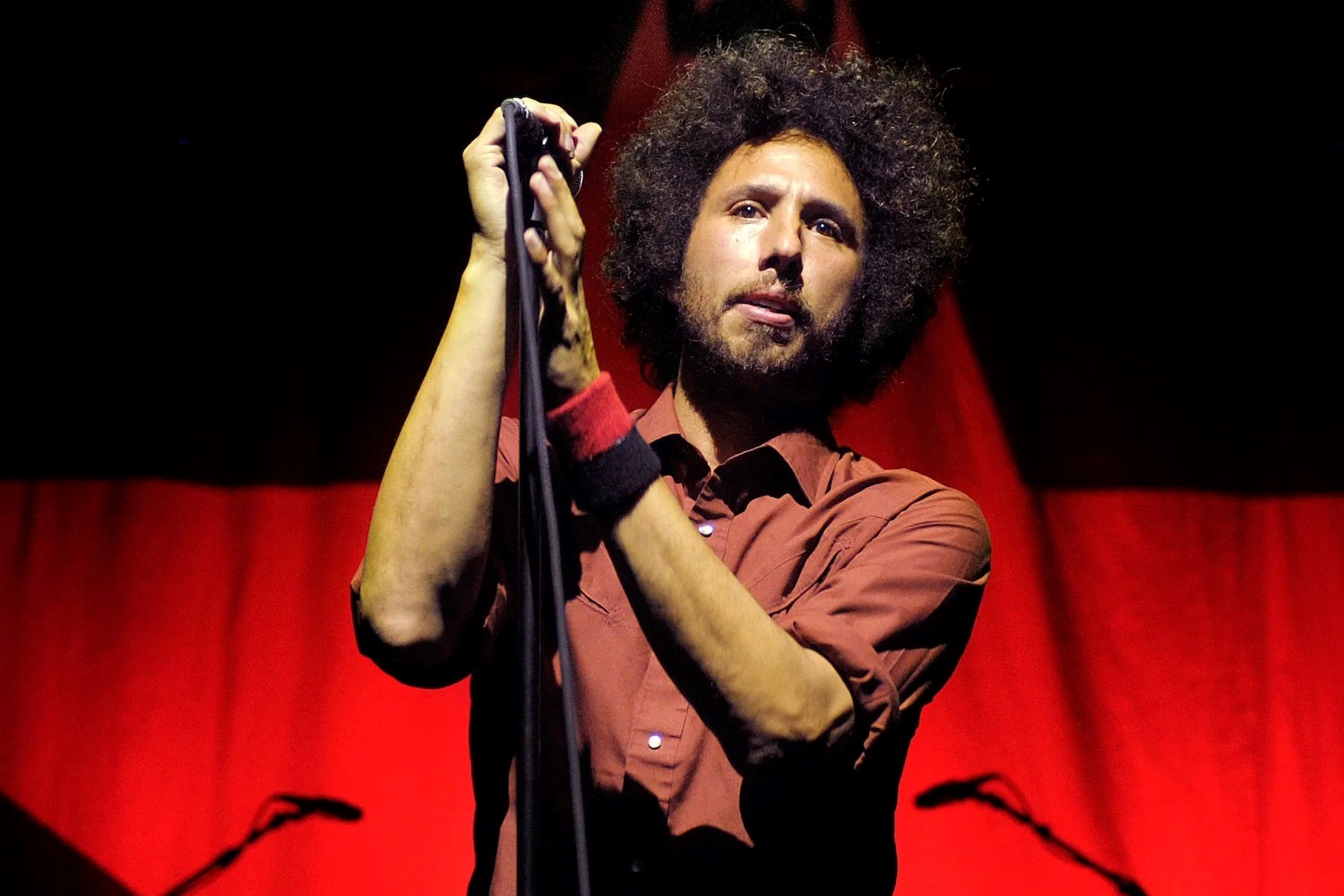
Zack de la Rochais a powerful figure in both music and political activism. As the frontman of the legendary band Rage Against the Machine, his raw lyrics and passionate delivery captured the frustrations of a generation.
Combining rock, hip-hop, and politically charged messages, de la Rocha's music became a symbol of resistance and social justice.
Beyond his musical achievements, he has dedicated himself to activism, using his platform to fight against inequality and systemic oppression. This article covers Zack de la Rocha’s rise to fame, his influence in both music and activism and his financial success.
Quick Facts
- Full Name: Zacharias Manuel De La Rocha
- Date of Birth: January 12, 1970
- Occupation: Musician, singer, songwriter, activist
- Nationality: American
- Net Worth: Estimated at $30 million
- Spouse: None (previously engaged to fashion designer Kelly Quinn)
- Weight: 150 lbs (68 kg)
- Height: 5’9” (175 cm)
- Children: 1 son
- Known For: Lead vocalist of Rage Against the Machine, political activism, solo work
Early Life And Background
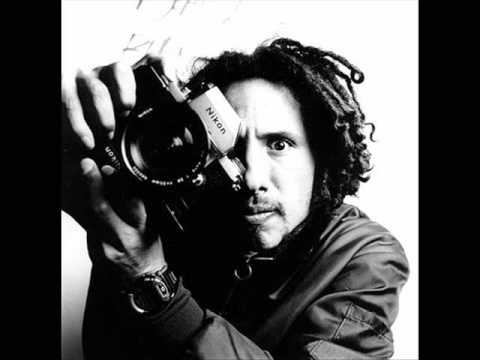
Zacarías Manuel de la Rocha was born on January 12, 1970, in Long Beach, California, into a family rooted in activism and the arts. His father, Beto de la Rocha, was part of the Chicano art collective "Los Four" and a political activist, while his mother, Olivia Lorryne Carter, was an anthropology scholar. Zack's upbringing exposed him to both the power of art and the harsh realities of social injustice.
Growing up in Irvine, California, Zack encountered racism and inequality firsthand, experiences that deeply influenced his worldview. These early exposures to injustice and political struggles shaped the themes he would later bring into his music.
In high school, Zack began playing guitar and joined several local punk bands, immersing himself in the underground music scene in Los Angeles. It was here that he started to develop the voice that would soon lead to global recognition.
Personal Life
While Zack De La Rocha is often seen as an intensely private individual, his personal life has still captured public attention. He was previously engaged to fashion designer Kelly Quinn, though the couple did not marry. Zack has a son, but he has generally kept his family life away from the media spotlight.
Zack is also an outspoken advocate for social causes. His activism focuses on a wide range of issues, including environmental sustainability, racial justice, and economic inequality. He has spoken at numerous rallies, lent his voice to various social movements, and used his platform to challenge the status quo.
Controversies
Zack De La Rocha has been a controversial figure throughout his career, often challenging political systems and social structures in ways that have sparked both admiration and criticism. His lyrics, which address topics like police brutality, government corruption, and corporate greed, have made him a polarizing figure.
One of the most significant controversies occurred during Rage Against the Machine's 2000 Grammy performance. The band made a statement by protesting the event’s corporate sponsorship and the mainstream music industry, which they viewed as complicit in the perpetuation of injustice. The band's anti-establishment stance has often led to debates about the role of music in politics and how far artists should go in using their platform for activism.
Challenges And Triumphs
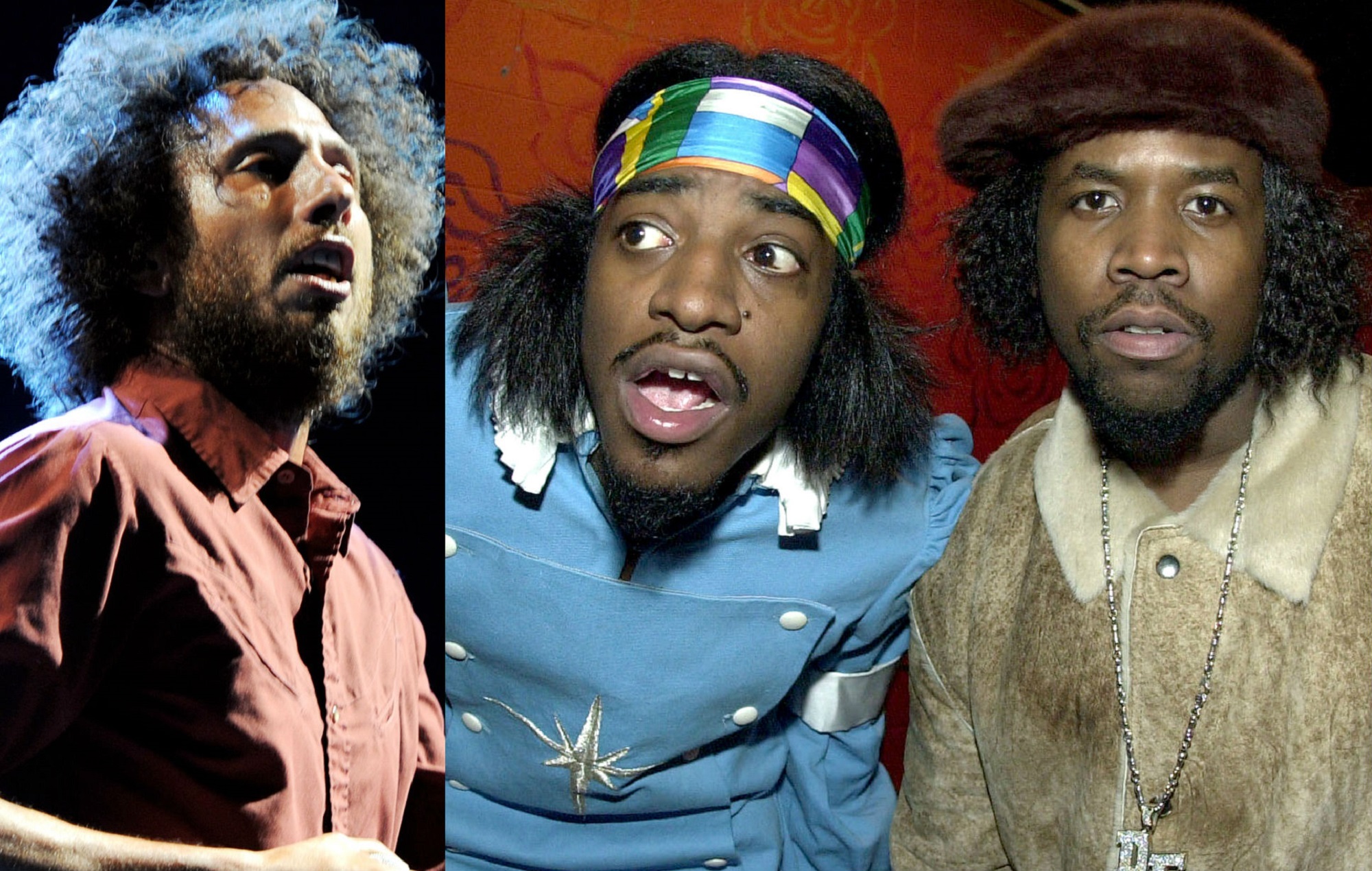
Zack De La Rocha’s career has been marked by both challenges and triumphs. After Rage Against the Machine’s disbandment in 2000, Zack faced difficulties transitioning from his role as the frontman of one of the most politically charged rock bands of the era to his solo endeavors.
Despite these challenges, Zack's eventual return to music and activism proved triumphant. His collaborations with artists like Trent Reznorof Nine Inch Nails and Run the Jewelshave revitalized his career, proving that he remains one of the most influential figures in modern music. He has also continued to be an outspoken voice for marginalized communities, maintaining his relevance and impact in both the music industry and social movements.
Career Highlights
Zack De La Rocha’s career is defined by his work with Rage Against the Machine, the genre-defying band that revolutionized the music scene with its fusion of rap, rock, and radical politics. Their self-titled debut album, released in 1992, remains one of the most important albums of the 90s. The band’s energetic, politically charged sound captured the anger and disillusionment of a generation, and tracks like "Killing in the Name" became anthems for social movements.
In addition to his work with Rage, Zack has ventured into solo projects, most notably his collaborations with Run the Jewelsand Trent Reznor. These projects have allowed him to continue exploring his political and musical vision, albeit in a more understated manner. While he is no longer part of Rage Against the Machine, Zack remains a highly respected figure in music, known for his fierce commitment to social justice and political activism.
Top Albums
- Rage Against the Machine(1992)
- Evil Empire(1996)
- The Battle of Los Angeles(1999)
Top Songs
"Killing in the Name"
Rage Against The Machine - Killing In the Name (Official HD Video)
An iconic anthem of resistance, this song became a rallying cry for those protesting against systemic injustice.
"Bulls on Parade"
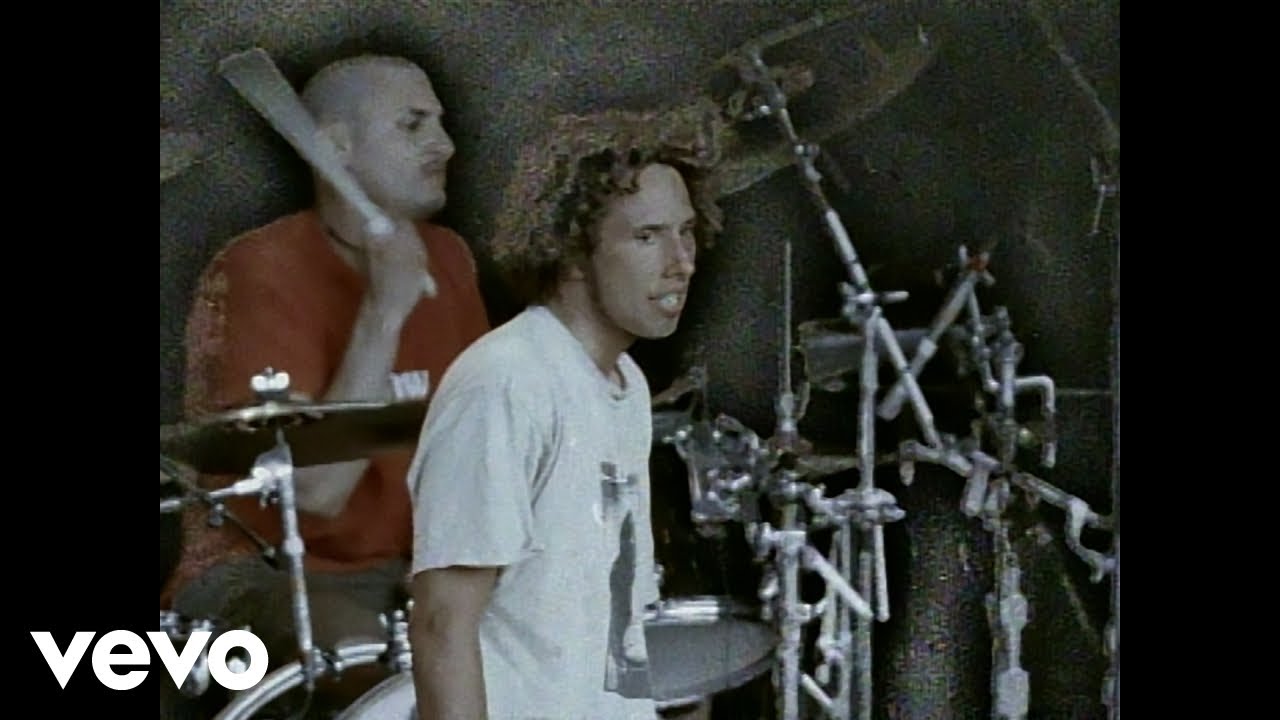
Rage Against The Machine - Bulls On Parade (Official HD Video)
With its explosive riff and politically charged lyrics, it became one of Rage's most famous tracks.
"Guerrilla Radio"
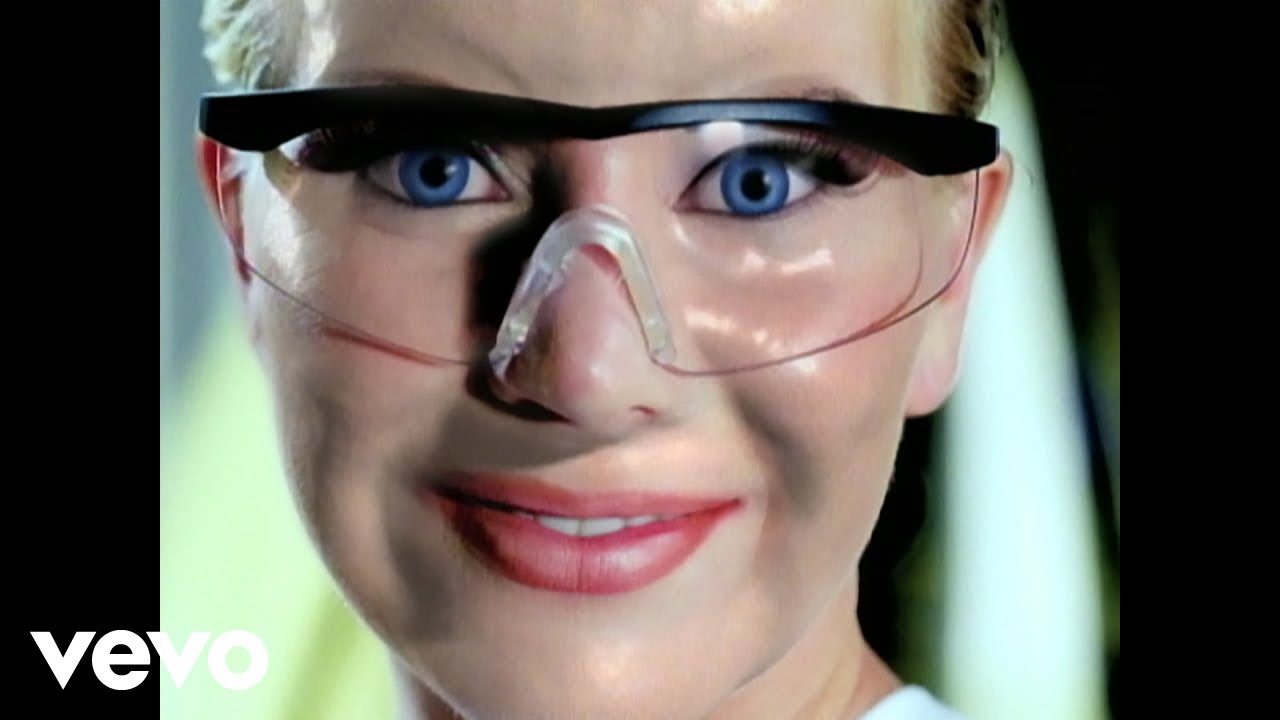
Rage Against The Machine - Guerrilla Radio (Official HD Video)
The song represents Zack's fight against media manipulation and government oppression, becoming a staple of the late 90s protest movement.
Discography
- Rage Against the Machine(1992)
- Evil Empire(1996)
- The Battle of Los Angeles(1999)
- Renegades(2000) - A covers album showcasing the band's diverse musical influences.
- One Day as a Lion(2008) - A solo project by Zack, blending rock and hip-hop with themes of protest and resistance.
- Run the Jewels 3(2016) - Zack contributed to this album, collaborating with Killer Mike and El-P.
Awards And Achievements
- MTV Video Music Awardfor Best Rock Video (1999)
- NME Awardfor Best Band in the World (2000)
- Grammy Awardnominations (Multiple)
- Recognized by Rolling Stoneand Spin Magazineas one of the greatest frontmen in rock history.
The Formation Of Rage Against The Machine
In 1991, Zack de la Rocha joined forces with guitarist Tom Morello, bassist Tim Commerford, and drummer Brad Wilk to form Rage Against the Machine. Their fusion of rap, rock, and political protest lyrics set them apart from other bands at the time. Their debut self-titled album, released in 1992, was a massive success, with the single “Killing in the Name” becoming an anthem for rebellion and activism.
The combination of Zack’s politically charged lyrics and Morello’s innovative guitar techniques created a sound that was both intense and thought-provoking. Rage Against the Machine’s music addressed issues like corporate greed, police brutality, and government corruption, resonating deeply with audiences who shared the band’s frustration with the status quo.
Zack’s performances were more than just concerts - they were rallying cries for social change. His relentless energy and passionate delivery made Rage Against the Machineone of the most influential bands of their era.
Activism And Political Involvement
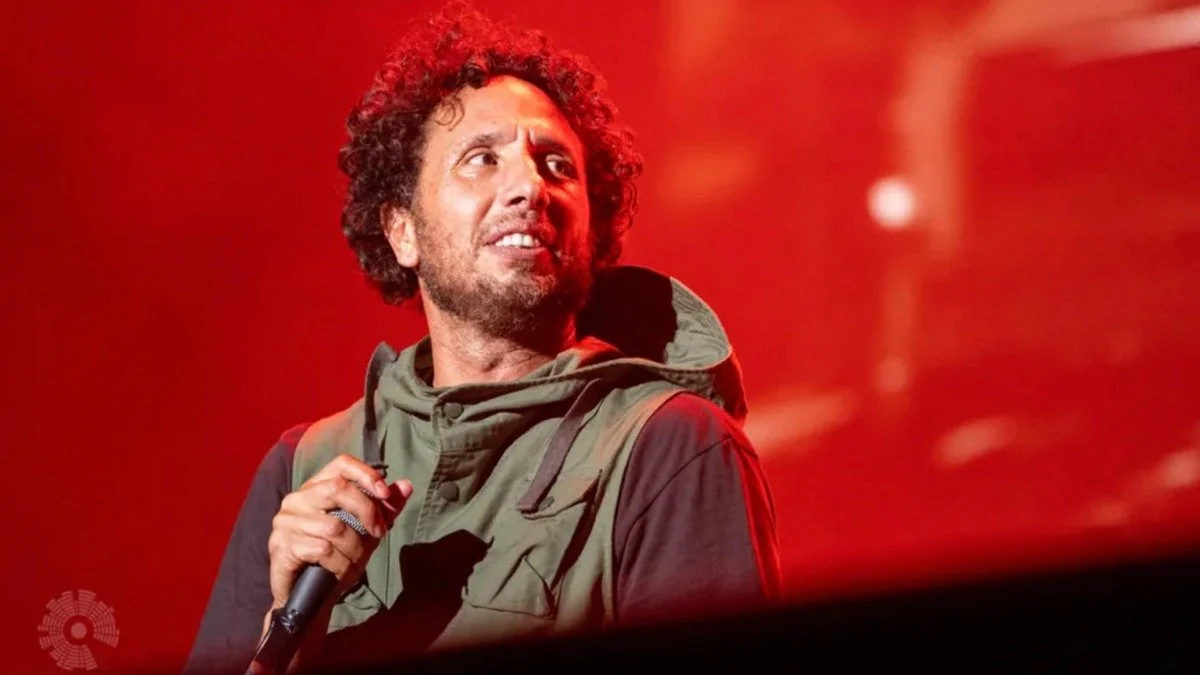
Zack de la Rocha’s commitment to activism has been as important as his music career. Throughout his career, Zack has consistently used his platform to speak out against issues like racism, poverty, and inequality. His lyrics reflect deep political consciousness, often referencing historical struggles and calling for resistance against oppressive systems.
Zack has been heavily involved in the Zapatista movement in Mexico, supporting indigenous rights and opposing government exploitation of indigenous lands. He has traveled to Chiapas to raise awareness for the Zapatista cause and has used his music to draw attention to their struggle.
Beyond indigenous rights, Zack has been vocal about police brutality, mass incarceration, and economic inequality. His activism is woven into the fabric of his music, and his involvement in grassroots movements has solidified his place as a figure of resistance.
Life After Rage Against The Machine
In 2000, after a decade of success, Zack de la Rocha parted ways with Rage Against the Machine to pursue solo projects and dedicate more time to activism. His departure marked a significant shift in his career, but it also allowed him to explore new creative avenues.
During his time away from the band, Zack worked on a solo album, collaborating with prominent artists like DJ Shadow and Trent Reznor. Although his solo album was never officially released, a few tracks from the project were leaked, giving fans a taste of his evolving sound and lyrical themes.
In 2007, Rage Against the Machine reunited, performing at Coachella and several other major festivals. The reunion reignited the band's activism and gave their powerful messages a renewed relevance in the face of ongoing political challenges.
Recent Projects And Collaborations
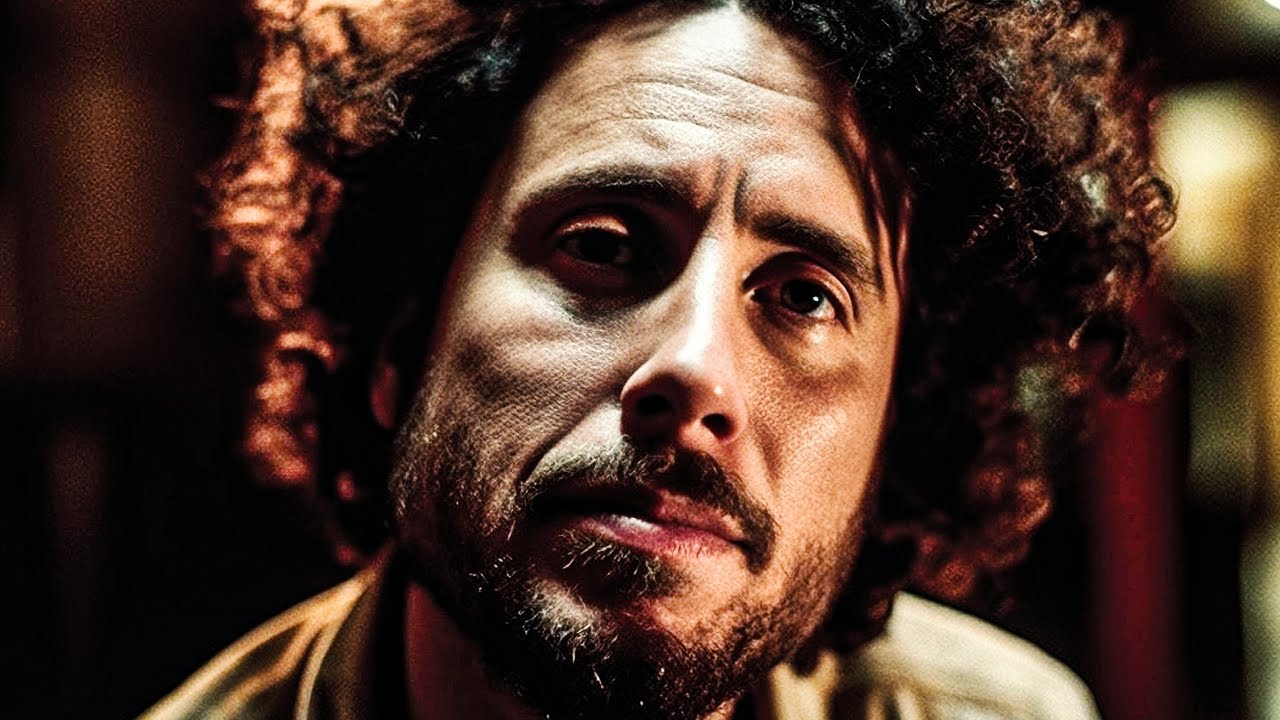
It’s Happening Now But People Don’t See It - Zack de la Rocha on Challenging The System
In recent years, Zack de la Rocha has kept a lower profile, though he remains active in the music industry. One of his most notable collaborations in recent years was with the hip-hop duo Run the Jewels on the track “Close Your Eyes (And Count to F**k).” His contribution to the track was widely praised, reminding fans of his enduring influence on socially conscious music.
Despite not releasing a full-length solo album, Zack’s collaborations and the resurgence of Rage Against the Machine continue to inspire new generations of listeners and activists.
Net Worth And Income Sources
As of 2024, Zack de la Rocha’s estimated net worth is around $30 million. The bulk of his wealth comes from his work with Rage Against the Machine, including album sales, merchandise, and lucrative reunion tours. The band’s music continues to generate revenue through streaming platforms and licensing.
In addition to his music career, Zack has earned income from his various collaborations and solo projects. While Zack’s activism is not driven by financial gain, his work has positioned him as a key figure in both the music world and political movements.
Lifestyle
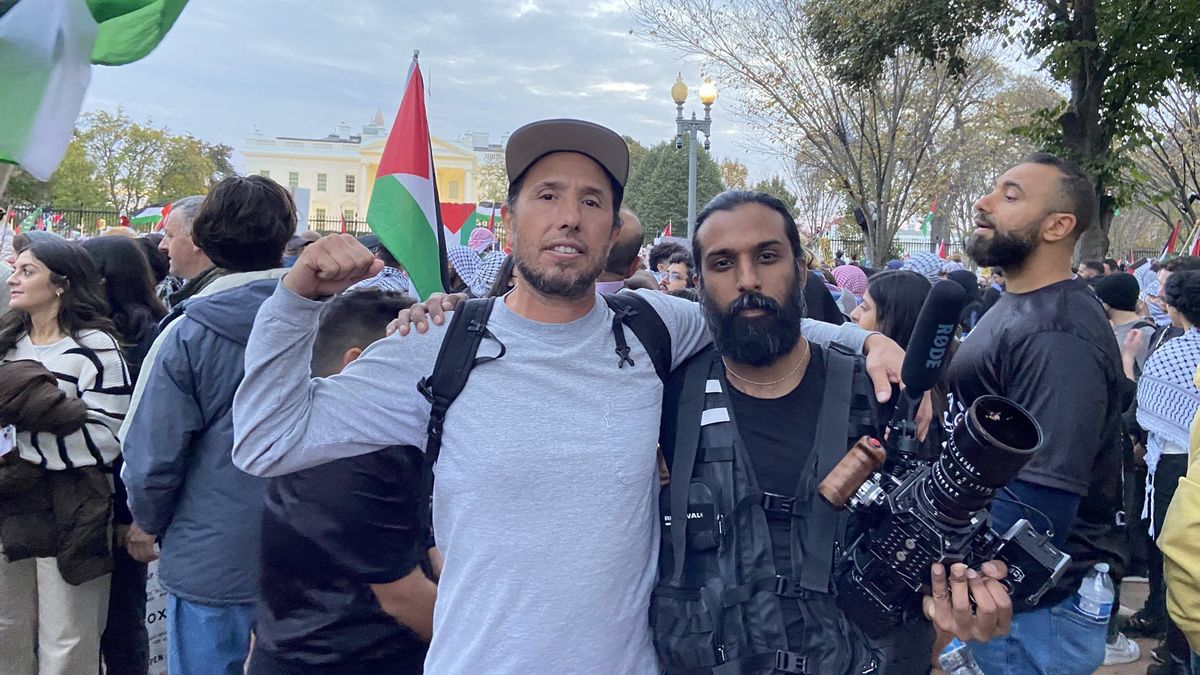
Zack De La Rocha’s lifestyle reflects his persona as a politically driven artist who has always maintained a low-key, minimalist approach to his personal life. His net worth, which is estimated at around $30 million, comes not just from his work with Rage Against the Machine but also from investments, royalties, and collaborations.
Regarding material possessions, Zack is known to be rather private about his living arrangements. However, it’s rumored that he lives in a modest home that allows him the privacy he values. When it comes to cars, he has kept a low profile, in contrast to many other stars who flaunt their luxury vehicles. His spending habits align with his values of simplicity and authenticity, avoiding the typical trappings of fame.
Fitness And Health
Zack De La Rocha is an artist who is known not only for his musical talents but also for his commitment to personal well-being. While much of his time is devoted to his creative and activist pursuits, he’s dedicated to maintaining a healthy lifestyle. This includes a mix of exercise, meditation, and a balanced diet, though he prefers to keep his personal routines private.
His on-stage performances are legendary for their intensity, which requires him to stay in peak physical condition. His energy and endurance are evident during live shows, where he performs with the same intensity as when he first started out with Rage.
Inspirational Quotes And Philosophy
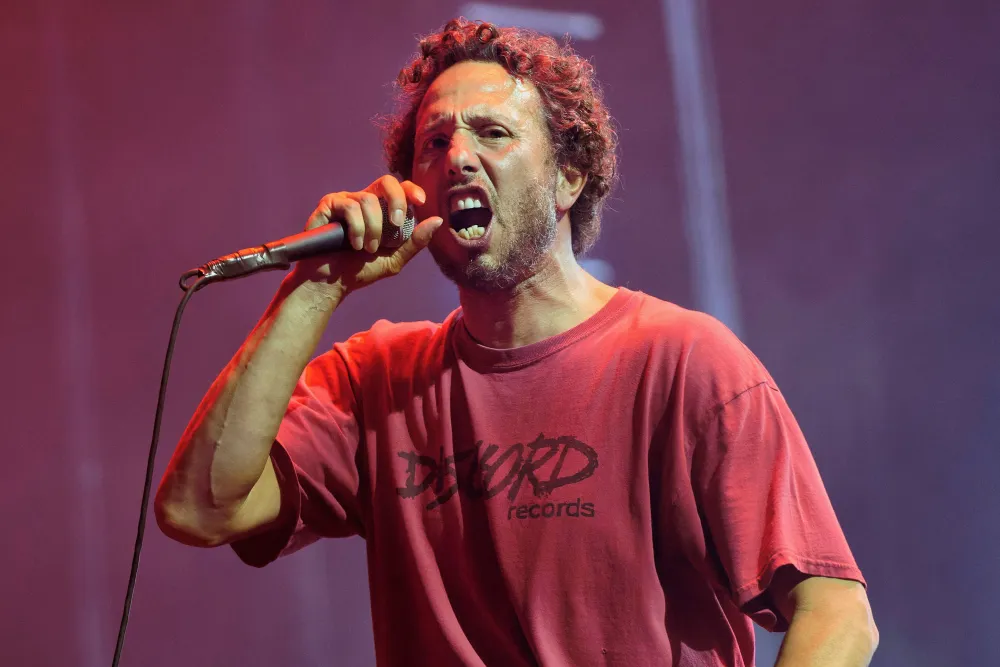
- “Music is a weapon, it’s a weapon that carries a message.”
- “The most revolutionary thing you can do is not to comply with the system.”
- “Revolution is not an event; it’s a process.”
Zack’s philosophy is deeply rooted in resistance, social justice, and empowerment. His words inspire countless individuals to fight for their beliefs and challenge societal norms.
Future Projects And Aspirations
Though Zack De La Rocha has been relatively quiet in terms of solo music releases in recent years, there are signs that he’s far from finished with his artistic journey. He’s been involved in various collaborations, such as working with Trent Reznoron multiple projects, and has expressed interest in continuing to explore new sounds and concepts.
Additionally, Zack has always been vocal about his commitment to social causes. His future projects might not only focus on music but could also include more advocacy work, including collaborations with grassroots movements and political campaigns.
Social Media Presence
Zack de la Rocha does not maintain a highly active social media presence, which reflects his preference for privacy. While he remains influential through his music and activism, Zack avoids the spotlight that comes with modern social media. His actions speak louder than posts, and his influence continues to grow through his work and the causes he supports.
Legacy And Influence
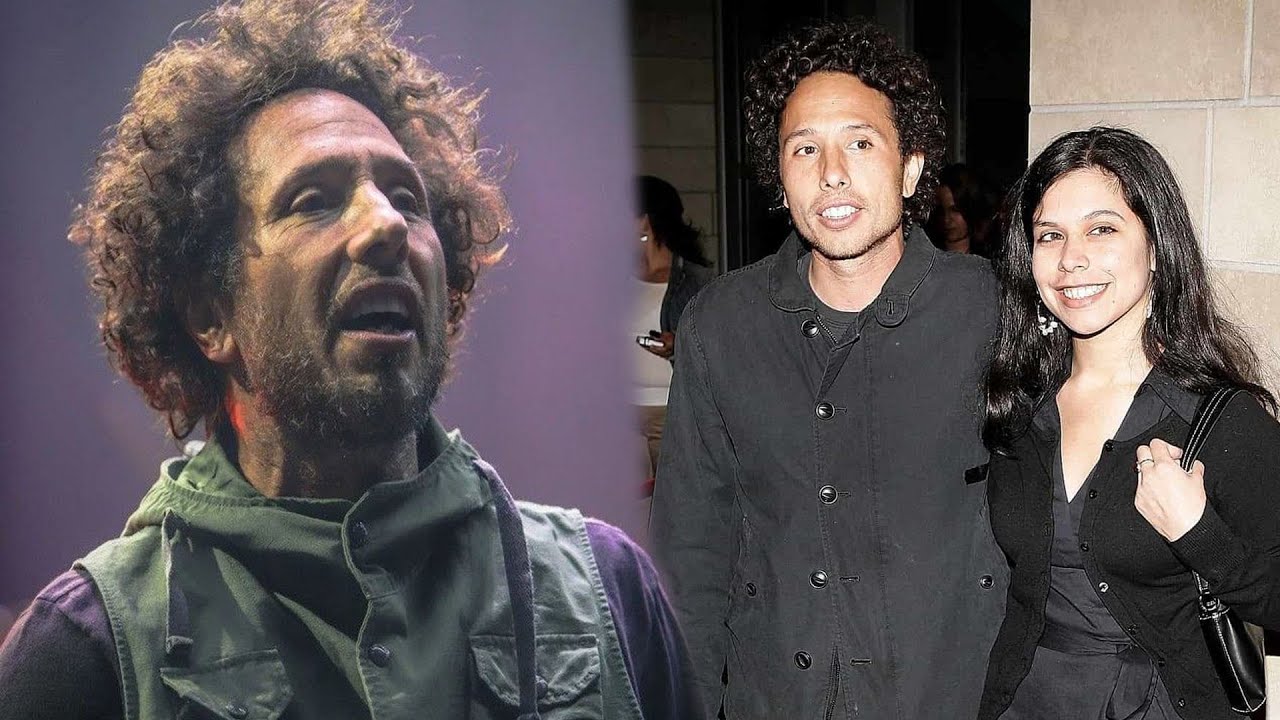
Reveal all behind Zack de la Rocha
Zack de la Rocha’s legacy extends beyond his role in Rage Against the Machine. As one of the most politically outspoken musicians of his generation, Zack’s music has become synonymous with protest and resistance. His ability to merge art and activism has inspired countless other musicians to use their voices for change.
Rage Against the Machine’s music remains as relevant today as it was in the 1990s, and Zack’s activism continues to resonate with movements around the world. His powerful lyrics and unwavering commitment to justice ensure that his legacy will continue to inspire future generations of artists and activists.
Collaborations With Notable Singers And Producers
Throughout his career, Zack De La Rocha has collaborated with a range of notable artists, blending his unique vocal style with different genres. One of his most significant collaborations was with Trent Reznorof Nine Inch Nails, which resulted in the track “Ghosts” and multiple live performances. This partnership allowed Zack to experiment with darker, more atmospheric sounds while maintaining his politically charged message.
Zack’s collaborations also extend to other influential artists, such as Run the Jewelsand Public Enemy, both of whom share his commitment to blending political commentary with music. These partnerships have helped Zack stay relevant in the ever-evolving music scene while also expanding his creative horizons. Through these collaborations, he continues to shape the landscape of politically driven music and activism, proving that his influence reaches far beyond his own band.
Memorable Interviews
Zack De La Rocha is known for his candidness and thought-provoking insights in interviews, where he often delves into issues of social justice, music, and personal philosophy. One memorable interview took place with Jon Stewarton The Daily Showin 2000, where Zack discussed the role of music in political movements and his frustrations with the mainstream media.
In other interviews, Zack has been similarly outspoken about the need for societal change. He has consistently used the platform of interviews to call attention to issues such as systemic racism, economic inequality, and the importance of grassroots activism.
Top 6 Interesting Facts About Zack De La Rocha
- Zack De La Rocha was born in Long Beach, California, to a Mexican-American father and a European-American mother, which influenced his strong sense of cultural identity and activism.
- Although Rage Against the Machine disbanded in 2000, De La Rocha has maintained his influence through solo projects and collaborations, consistently focusing on political and social justice issues.
- He is often praised for his fiery lyrics that blend social commentary with personal emotion, particularly regarding issues like racial inequality, corporate greed, and political corruption.
- Zack’s passion for activism extends beyond his music; he has been actively involved in protests, speaking out against various global injustices, including the Iraq War and systemic racism.
- His distinctive voice and intense stage presence have made him a legendary figure in the world of rock and hip-hop, earning him a place among the greatest frontmen in history.
- Despite his success, Zack is known for his relatively private lifestyle and reluctance to engage with the mainstream entertainment industry, preferring to focus on his personal values and message.
FAQs About Zack De La Rocha
Who Is Zack De La Rocha?
Zack de la Rocha is the frontman of the iconic band Rage Against the Machine, known for his politically charged lyrics and dedication to activism.
What Is Zack De La Rocha’s Net Worth?
As of 2024, Zack de la Rocha’s net worth is estimated at $30 million, largely from his work with Rage Against the Machine and his various music projects.
Why Did Zack De La Rocha Leave Rage Against The Machine?
Zack de la Rocha left the band in 2000 to explore solo projects and focus on his activism. He later reunited with the band for performances.
What Are Zack De La Rocha’s Most Famous Songs?
Some of Zack de la Rocha’s most well-known songs with Rage Against the Machine include “Killing in the Name,” “Bulls on Parade,” and “Guerrilla Radio.”
Is Zack De La Rocha Still Active In Music And Activism?
Yes, Zack de la Rocha continues to collaborate with artists and remains involved in activism, although he has kept a relatively low profile in recent years.
Final Thoughts
Zack de la Rocha’s influence as both a musician and an activist has left an indelible mark on the world.
His work with Rage Against the Machine helped create anthems for social justice, and his commitment to fighting for change continues to inspire.
Zack’s legacy as a voice of resistance and a force for activism will endure for years to come.
Jump to
Quick Facts
Early Life And Background
Personal Life
Controversies
Challenges And Triumphs
Career Highlights
Top Albums
Top Songs
Discography
Awards And Achievements
The Formation Of Rage Against The Machine
Activism And Political Involvement
Life After Rage Against The Machine
Recent Projects And Collaborations
Net Worth And Income Sources
Lifestyle
Fitness And Health
Inspirational Quotes And Philosophy
Future Projects And Aspirations
Social Media Presence
Legacy And Influence
Collaborations With Notable Singers And Producers
Memorable Interviews
Top 6 Interesting Facts About Zack De La Rocha
FAQs About Zack De La Rocha
Final Thoughts

Suleman Shah
Author
Suleman Shah is a researcher and freelance writer. As a researcher, he has worked with MNS University of Agriculture, Multan (Pakistan) and Texas A & M University (USA). He regularly writes science articles and blogs for science news website immersse.com and open access publishers OA Publishing London and Scientific Times. He loves to keep himself updated on scientific developments and convert these developments into everyday language to update the readers about the developments in the scientific era. His primary research focus is Plant sciences, and he contributed to this field by publishing his research in scientific journals and presenting his work at many Conferences.
Shah graduated from the University of Agriculture Faisalabad (Pakistan) and started his professional carrier with Jaffer Agro Services and later with the Agriculture Department of the Government of Pakistan. His research interest compelled and attracted him to proceed with his carrier in Plant sciences research. So, he started his Ph.D. in Soil Science at MNS University of Agriculture Multan (Pakistan). Later, he started working as a visiting scholar with Texas A&M University (USA).
Shah’s experience with big Open Excess publishers like Springers, Frontiers, MDPI, etc., testified to his belief in Open Access as a barrier-removing mechanism between researchers and the readers of their research. Shah believes that Open Access is revolutionizing the publication process and benefitting research in all fields.

Han Ju
Reviewer
Hello! I'm Han Ju, the heart behind World Wide Journals. My life is a unique tapestry woven from the threads of news, spirituality, and science, enriched by melodies from my guitar. Raised amidst tales of the ancient and the arcane, I developed a keen eye for the stories that truly matter. Through my work, I seek to bridge the seen with the unseen, marrying the rigor of science with the depth of spirituality.
Each article at World Wide Journals is a piece of this ongoing quest, blending analysis with personal reflection. Whether exploring quantum frontiers or strumming chords under the stars, my aim is to inspire and provoke thought, inviting you into a world where every discovery is a note in the grand symphony of existence.
Welcome aboard this journey of insight and exploration, where curiosity leads and music guides.
Latest Articles
Popular Articles