Chest Pain After Gallbladder Surgery - Causes, Symptoms, And Treatments
Chest pain after gallbladder surgery is a concern that many patients face during their recovery process. Although gallbladder surgery, or cholecystectomy, is generally safe and effective, the postoperative period can sometimes present unexpected challenges.
Author:Suleman ShahReviewer:Han JuAug 03, 2024
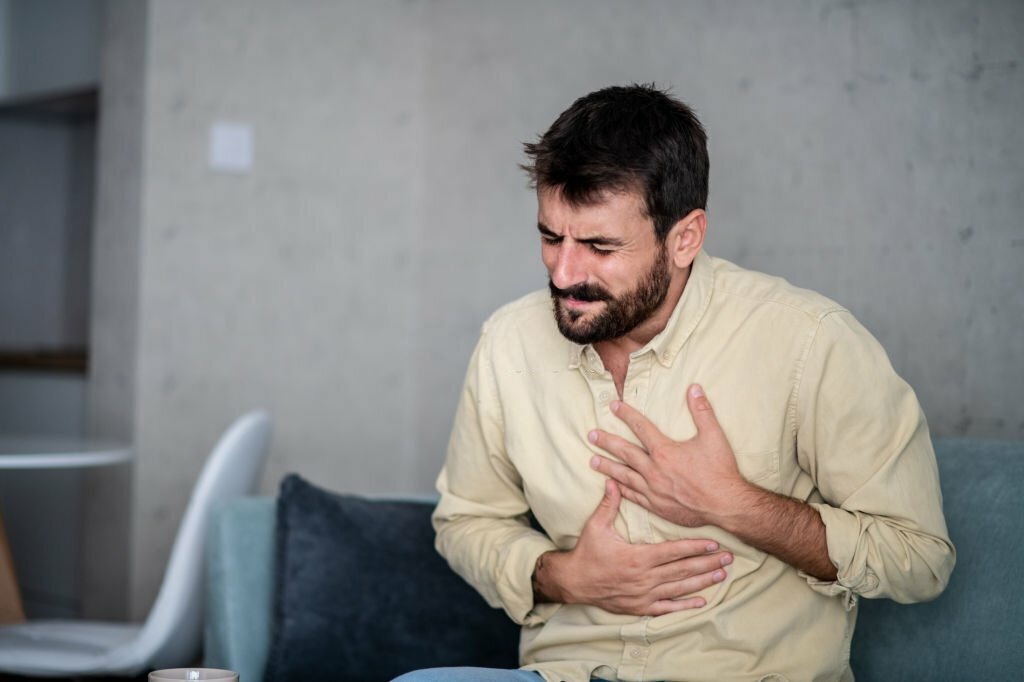
Gallbladder surgery, often called cholecystectomy, is a frequent technique for removing the gallbladder. This surgery is frequently required to treat gallstones, inflammation(cholecystitis), and other gallbladder-related problems. Chest pain after gallbladder surgeryis a concern that many patients face during their recovery process. Although gallbladder surgery, or cholecystectomy, is generally safe and effective, the postoperative period can sometimes present unexpected challenges.
One of such challenge is experiencing chest pain, which can be alarming for patients and their families. This type of pain can arise from various sources, including the surgical procedure itself, the body's response to anesthesia, or underlying medical conditions that may be exacerbated by the surgery. Understanding the different types of chest pain, their causes, and the appropriate responses is crucial for a smoother and safer recovery.
Types Of Chest Pain
Sharp Or Stabbing Pain
Sharp or stabbing pain after gallbladder surgery is commonly related to the surgical incisions and the use of carbon dioxide gas during laparoscopic procedures. The incisions made in the upper abdomen can cause localized sharp pain. Additionally, the carbon dioxide gas used to inflate the abdomen can irritate the diaphragm, leading to referred pain in the chest and shoulders.
This type of pain is usually intense and can come on suddenly. It is typically felt near the incision sites but can also be referred to the chest and shoulders due to the diaphragm's irritation. The pain is usually temporary and improves as the body absorbs the gas and the incisions heal.
Over-the-counter pain relievers like acetaminophen or NSAIDs can help manage this pain. Gentle walking and movement can aid the body in absorbing the gas more quickly, and adequate rest and avoiding strenuous activities can reduce pain and promote healing.
Dull Or Aching Pain
Dull or aching pain is often associated with muscle strain and general postoperative discomfort. The positioning during surgery and the healing process can strain the muscles in the chest and upper abdomen, leading to this type of pain.
This pain is usually milder compared to sharp pain and has a more constant, lingering nature. It is often localized to the upper abdomen and chest area and may also be felt in the back or shoulders. This pain can last for several days to weeks as the muscles heal and the body adjusts.
Over-the-counter pain relievers can be effective for managing dull or aching pain. Applying a warm compress to the affected area can help soothe muscle pain. Light stretching exercises can relieve muscle tension and pain, and in some cases, physical therapymay be recommended to strengthen the muscles and improve flexibility.
Burning Or Pressure-like Pain
Burning or pressure-like pain can be a sign of gastrointestinal issues or, in rare cases, heart problems. The removal of the gallbladder can sometimes lead to digestive issues such as acid reflux or bile reflux, causing a burning sensation in the chest. Cardiovascular issues, though rare, can also cause pressure-like chest pain and need immediate medical attention.
This type of pain can range from mild to severe, depending on the underlying cause. It is typically felt in the center of the chest and may radiate to the back, neck, or arms. The duration of this pain varies; gastrointestinal-related pain may be more transient, while cardiovascular pain can be persistent and more alarming.
Management
For gastrointestinal issues, medications such as antacids, H2 blockers, or proton pump inhibitors (PPIs) can help manage acid reflux. Dietary adjustments, like avoiding spicy, fatty, or acidic foods, and lifestyle changes, such as elevating the head during sleep and avoiding lying down after meals, can also reduce symptoms.
For heart problems, immediate medical attention is crucial if experiencing severe pressure-like chest pain, especially if accompanied by shortness of breath, sweating, nausea, or pain radiating to the arm or jaw. A thorough evaluation by a cardiologist is necessary to rule out or manage heart-related issues.

Diagnostic Approaches
Proper diagnosis is key to managing chest pain after gallbladder surgery. Healthcare providers use various methods to identify the cause of the pain. Here are the main approaches:
Patient History And Physical Examination
The first step in diagnosing chest pain after gallbladder surgery is a thorough patient historyand physical examination. The doctor will ask detailed questions about the pain, such as:
- When did the pain start?
- How long does it last?
- Where exactly is the pain located?
- What does the pain feel like (sharp, dull, burning, etc.)?
- Are there any other symptoms, like fever, nausea, or shortness of breath?
This information helps the doctor understand the possible sources of the pain and guides further testing.
Imaging Studies
Imaging studies are crucial for a detailed look inside the body. Different types of imaging can reveal various issues:
Ultrasound
An ultrasound uses sound waves to create images of the inside of your body. This test is particularly useful for detecting fluid collections or bile leaks in the abdominal cavity. It can quickly show if there's a problem in the area where the gallbladder used to be.
CT Scan
A CT (computed tomography) scan provides detailed cross-sectional images of the abdomen and chest. It helps identify complications like abscesses (pockets of infection) or pulmonary embolisms (blood clots in the lungs). The detailed images from a CT scan can show many different types of tissue, including bones, muscles, fat, and organs.
Magnetic Resonance Imaging
An MRI (magnetic resonance imaging) uses magnets and radio wavesto produce detailed images of the soft tissues in the body. This test is useful for diagnosing bile duct injuries and other soft tissue issues. It provides a comprehensive view that can help doctors see things that might not be visible on other types of scans.
Laboratory Tests
Laboratory tests involve analyzing blood samples to look for signs of infection, inflammation, or other abnormalities:
Blood Tests
Blood tests can reveal important information about your overall health. They can show signs of infection (like an elevated white blood cell count) or inflammation (such as increased levels of certain proteins). These tests help doctors understand if there’s an infection or another systemic issue that could be causing the pain.
Liver Function Tests
Liver function tests measure how well your liver is working. They assess the impact on the liver and bile ducts, helping to diagnose bile leaks or duct injuries. These tests look at levels of liver enzymes, bilirubin, and other substances in your blood that indicate how well your liver is performing.
By combining the information from these different diagnostic approaches, healthcare providers can accurately determine the cause of chest pain after gallbladder surgery and develop an appropriate treatment plan.
Management And Treatment Options
Treating chest pain after gallbladder surgery involves addressing both the pain itself and the underlying cause.
Pain Management
Medications
For managing pain, doctors often recommend over-the-counter pain relievers like acetaminophen (Tylenol) or non-steroidal anti-inflammatory drugs (NSAIDs) such as ibuprofen (Advil, Motrin). These can help with mild to moderate pain. In some cases, if the pain is more severe, doctors might prescribe stronger pain medications.
Non-Pharmacological Approaches
In addition to medications, there are several non-drug methods to help relieve pain. Applying ice packs to the painful area can reduce swelling and numb the pain. Resting and avoiding strenuous activities give your body time to heal. Gentle movement, like short walks, can help improve circulation and reduce discomfort. Techniques such as deep breathing exercises and relaxation methods (like meditation or listening to calming music) can also help manage pain by reducing stress and muscle tension.
Treating Underlying Causes
Endoscopic Procedures
If the chest pain is due to issues with the bile ducts, doctors might perform an endoscopic procedure called ERCP (Endoscopic Retrograde Cholangiopancreatography). During this procedure, a flexible tube with a camera is inserted through the mouth and into the bile ducts. This allows the doctor to see any blockages or injuries. They can remove stones, place stents to keep ducts open, or make small cuts to relieve blockages.
Surgical Interventions
Sometimes, additional surgery is needed to fix problems like bile duct injuries or bile leaks. This might involve repairing the ducts or draining any leaks. These surgeries are usually more complex and require careful planning and execution by a surgical team.
Cardiovascular Treatment
Emergency Interventions
If the chest pain is due to serious heart-related issues like a pulmonary embolism (a blood clot in the lungs) or a heart attack, immediate medical attention is required. Treatment for a pulmonary embolism often involves anticoagulant therapy (blood thinners) to prevent further clotting. For a heart attack, doctors might perform procedures like angioplasty (where a small balloon is used to open up blocked arteries) or administer medications to dissolve clots.
Long-Term Management
If a heart condition is detected, long-term management is crucial. This usually involves follow-up appointments with a cardiologist who can monitor your heart health and adjust treatments as needed. Lifestyle changes are often recommended to prevent future cardiovascular issues. These changes might include eating a healthier diet, getting regular exercise, quitting smoking, and managing stress.
By addressing both the pain and its underlying cause, these management and treatment options aim to ensure a smoother recovery and prevent future complications. Always follow your healthcare provider's advice and report any new or worsening symptoms immediately.
When To Seek Medical Attention
Certain symptoms after gallbladder surgery should prompt you to seek immediate medical attention. Here are the key signs to watch for:
Severe Or Persistent Chest Pain
If you experience severe or ongoing chest pain, it’s important to get medical help right away. This is especially true if the pain is sharp, comes on suddenly, or is accompanied by other worrying symptoms like sweating, nausea, or pain spreading to your arm, neck, or jaw. These could be signs of serious conditions like a heart attack or pulmonary embolism.
Difficulty Breathing
Shortness of breath or trouble breathing is a serious symptom that needs immediate attention. If you find it hard to catch your breath or feel like you can’t get enough air, this could indicate a severe complication, such as a pulmonary embolism or other respiratory issues.
High Fever
A fever above 101°F (38.3°C) can indicate an infection, which is a serious concern after surgery. If you develop a high fever, especially if it’s accompanied by chills, sweating, or a general feeling of being unwell, contact your healthcare provider right away. Infections need prompt treatment to prevent them from spreading or becoming more severe.
Jaundice
Jaundice is the yellowing of the skin or eyes. This can signal problems with the bile ducts, such as a bile leak or bile duct injury. If you notice any yellowing of your skin or the whites of your eyes, seek medical attention immediately. Jaundice can be a sign that bile is not draining properly from your liver, which needs to be addressed quickly.
Swelling Or Redness At The Incision Site
Swelling, redness, or warmth at the incision site can be signs of infection. If the area around your surgical incisions becomes swollen, red, or feels hot to the touch, or if you notice any pus or unusual discharge, it’s important to see your doctor. Infections at the incision site can lead to more serious problems if not treated promptly.
Recognizing these symptoms and acting quickly can help ensure any complications are treated early, leading to a safer and smoother recovery. Always follow your healthcare provider’s instructions and don’t hesitate to seek help if you’re concerned about your symptoms.
Prevention And Postoperative Care
Taking preventive measures and following postoperative care guidelines can reduce the risk of complications and promote a smoother recovery. Here are the key aspects to focus on:
Postoperative Instructions
Follow Your Doctor’s Orders
It’s crucial to follow all the instructions given by your doctor after surgery. This includes taking your medications as prescribed, keeping your surgical wounds clean and dry, and following any activity restrictions. Proper wound care helps prevent infections and supports healing. If your doctor advises you to avoid certain activities, make sure to adhere to these guidelines to avoid putting unnecessary strain on your body.
Watch For Symptoms
Be on the lookout for any signs of complications. Severe pain, high fever, or yellowing of the skin or eyes (jaundice) are warning signs that something might be wrong. If you notice any of these symptoms, contact your doctor immediately. Early detection of problems can lead to quicker and more effective treatment.
Activity And Diet Recommendations
Gradual Increase In Activity
Start with light activities such as short walks and gradually increase your level of activity as you feel comfortable. Avoid heavy lifting, vigorous exercise, and strenuous activities until your doctor gives you the go-ahead. Gradually increasing your activity helps your body to rebuild strength and stamina without overexerting yourself.
Diet Adjustments
Initially, follow a low-fat diet to ease your digestive system into functioning without the gallbladder. Foods that are high in fat can be difficult to digest and may cause discomfort. Gradually reintroduce more complex foods into your diet as you tolerate them. Eating smaller, more frequent meals can also help with digestion and prevent issues such as bloating or indigestion.
Follow-Up Appointments
Regular follow-up appointments with your surgeon or healthcare provider are essential. These visits allow your doctor to monitor your recovery, address any concerns, and make necessary adjustments to your care plan. During these appointments, your doctor can check your incision sites, review your symptoms, and ensure that you are healing properly. Don’t skip these follow-ups, as they are an important part of your postoperative care.
By adhering to these guidelines, you can help ensure a smoother and safer recovery after gallbladder surgery. Always keep in close communication with your healthcare provider and report any unusual symptoms or concerns as soon as they arise.

Patient Education And Support
Understanding your recovery process and accessing support can make a significant difference in your postoperative experience.
Understanding Recovery Time
Typical Recovery Timeline
Recovery after gallbladder surgery varies for each person, but most people start to feel better within a few weeks. However, complete healing might take a bit longer. During the first few days after surgery, you might experience the most discomfort, including pain and fatigue. These symptoms should gradually decrease over time. It’s important to listen to your body and give yourself the time you need to heal fully. Don’t rush back into your normal activities too quickly; instead, increase your activity level slowly as you start to feel better.
Support Groups And Resources
Online Communities
Connecting with otherswho have gone through gallbladder surgery can be very helpful. Online forums and support groups are great places to share your experiences, ask questions, and get advice from people who understand what you’re going through. These communities can offer emotional support and practical tips to help you navigate your recovery. Knowing that you’re not alone and that others have successfully recovered can provide reassurance and encouragement.
Professional Help
In addition to support from other patients, professional help is crucial. Don’t hesitate to reach out to healthcare professionals for personalized guidance and support during your recovery. Your doctor, nurse, or a specialized therapist can provide valuable information tailored to your specific needs.
They can help you manage pain, suggest appropriate activities, and address any concerns you might have. Professional support ensures that you are following the best practices for a smooth and safe recovery.
By understanding what to expect during your recovery and seeking out support, you can make your postoperative experience more manageable and less stressful. Remember, taking care of yourself and staying informed are key to a successful recovery.
FAQs About Chest Pain After Gallbladder Surgery
Is Chest Pain Normal After Gallbladder Surgery?
Yes, some degree of pain is normal as your body heals. But it’s important to know when this might be more serious:
- Normal post-op pain tends to be mild and improves with simple home care.
- See a doctor if the pain is sharp, severe, or gets worse over time. This could be a sign of complications like infections or a heart problem.
What Are Bad Signs After Gallbladder Surgery?
The symptoms include fatty food intolerance, nausea, vomiting, heartburn, flatulence, indigestion, diarrhea, jaundice, and intermittent episodes of abdominal pain. Post-cholecystectomy syndrome can present early, typically in the post-operative period, but can also manifest months to years after surgery.
What Is Postcholecystectomy Syndrome?
Sometimes, not everything goes back to normal right away.
Here’s what you need to know about postcholecystectomy syndrome.
- This syndrome happens after gallbladder surgery. Some people still feel stomach or digestive system problems even though their gallbladder is gone.
- Common symptoms: They include stomach pain, bloating, diarrhea, and indigestion.
How Long Should I Wait Before Seeking Medical Attention For Chest Pain After Gallbladder Surgery?
If you experience severe or persistent chest pain, seek medical attention immediately. It's always better to err on caution and have a healthcare professional evaluate your symptoms.
Wrap Up
Managing Chest Pain After Gallbladder Surgery effectively requires a combination of understanding the underlying causes, proper diagnosis, and appropriate treatment. By being aware of the different types of chest pain and their potential sources, patients can better communicate their symptoms to healthcare providers, ensuring timely and accurate intervention.
Postoperative care, including following medical advice, gradually increasing activity levels, and adhering to dietary recommendations, plays a significant role in preventing complications and promoting recovery. Additionally, seeking support through online communities and professional guidance can provide emotional reassurance and practical advice, making the recovery journey less daunting. Remember, while some discomfort is normal after surgery, persistent or severe symptoms should never be ignored.

Suleman Shah
Author
Suleman Shah is a researcher and freelance writer. As a researcher, he has worked with MNS University of Agriculture, Multan (Pakistan) and Texas A & M University (USA). He regularly writes science articles and blogs for science news website immersse.com and open access publishers OA Publishing London and Scientific Times. He loves to keep himself updated on scientific developments and convert these developments into everyday language to update the readers about the developments in the scientific era. His primary research focus is Plant sciences, and he contributed to this field by publishing his research in scientific journals and presenting his work at many Conferences.
Shah graduated from the University of Agriculture Faisalabad (Pakistan) and started his professional carrier with Jaffer Agro Services and later with the Agriculture Department of the Government of Pakistan. His research interest compelled and attracted him to proceed with his carrier in Plant sciences research. So, he started his Ph.D. in Soil Science at MNS University of Agriculture Multan (Pakistan). Later, he started working as a visiting scholar with Texas A&M University (USA).
Shah’s experience with big Open Excess publishers like Springers, Frontiers, MDPI, etc., testified to his belief in Open Access as a barrier-removing mechanism between researchers and the readers of their research. Shah believes that Open Access is revolutionizing the publication process and benefitting research in all fields.

Han Ju
Reviewer
Hello! I'm Han Ju, the heart behind World Wide Journals. My life is a unique tapestry woven from the threads of news, spirituality, and science, enriched by melodies from my guitar. Raised amidst tales of the ancient and the arcane, I developed a keen eye for the stories that truly matter. Through my work, I seek to bridge the seen with the unseen, marrying the rigor of science with the depth of spirituality.
Each article at World Wide Journals is a piece of this ongoing quest, blending analysis with personal reflection. Whether exploring quantum frontiers or strumming chords under the stars, my aim is to inspire and provoke thought, inviting you into a world where every discovery is a note in the grand symphony of existence.
Welcome aboard this journey of insight and exploration, where curiosity leads and music guides.
Latest Articles
Popular Articles