Gong Qui Therapy - Benefits And Methods
Gong qui therapy is an ancient Chinese healing method that combines controlled breathing, gentle movement, and meditation to improve mental, physical, and spiritual health. Like tai chi, gong qui therapy is thought to help with a wide range of health problems, such as high blood pressure, heart disease, diabetes, chronic fatigue, insomnia, leg and back pain, and more.
Author:Suleman ShahReviewer:Han JuOct 26, 2022
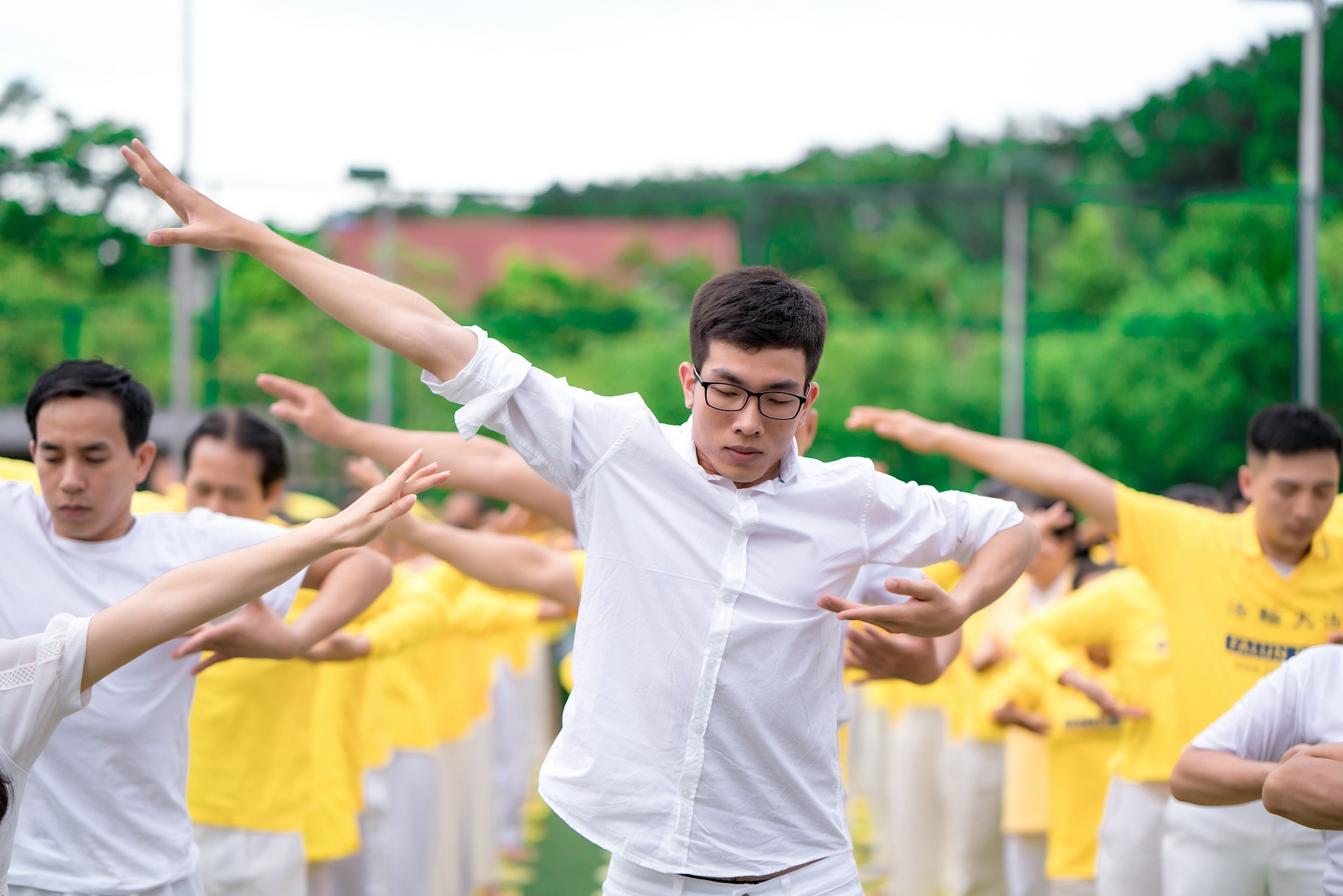
Gong qui therapyis an ancient Chinese healing method that combines controlled breathing, gentle movement, and meditation to improve mental, physical, and spiritual health.
Like tai chi, gong qui therapyis thought to help with a wide range of health problems, such as high blood pressure, heart disease, diabetes, chronic fatigue, insomnia, leg and back pain, and more.
Since gong qui therapy is becoming more and more popular, you may wonder if you should try it.
What Gong Qui Means
About 4,000 years ago, gong qui was made in China. It is based on the ideas of traditional Chinese medicine (TCM), which say that everyone has qui, or energy, in their bodies.
TCM says that a person's qui must move through their whole body for them to feel their best. If qui stays in one place for too long, it can be bad for your health."
Gong qui uses simple poses and ways of breathing to improve the flow of qui and stop it from getting stuck. Getting the right flow of qui can help the body heal itself. The word "gong qui" means "to work with qui" in English.
How To Do Gong Qui
There are a lot of different ways to do gong qui. Here is a simple guide to passive and active gong qui to help you get started. But it's best to talk to your health care provider before starting a new exercise plan.
Passive Gong Qui
Traditional meditation resembles passive gong qui. Passive qigong includes mental concentrating (ru jing) and visualization (cun si).
Sit in a comfortable upright position, close your eyes, and belly breathe (diaphragmatic breathing) to exercise mental concentrating. Sit for 10 minutes or more and focus on your breath.
Visualization uses more creativity. Imagine happy or relaxing things with your eyes closed (e.g., the beach, a flower-filled valley, a mountaintop). Use these visuals to channel positive energy.
Active Gong Qui
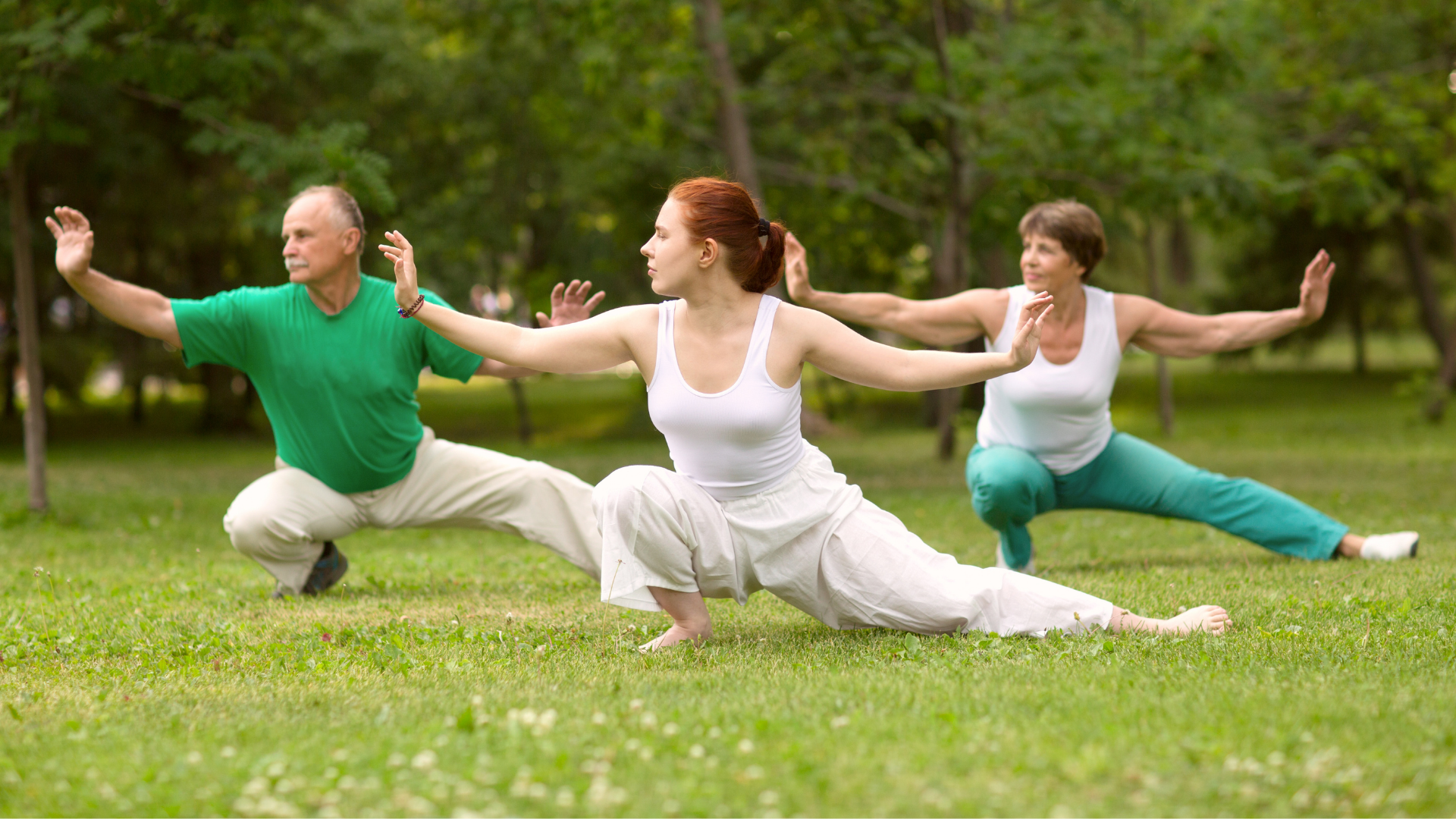
Active gong qui maintains body flow. Active qigong, unlike yoga, involves movement sequences. Beginners should start with a class or online video because gong qui requires a sequence of movements.
TCM recommends doing active gong qui in a group to foster community and wellness. Be patient and enjoy learning passive or active gong qui.
Benefits Of Gong Qui Therapy
Gong qui has many advantages. Some of them are supported by research, like improving balance and gait and lowering stress levels.
Increased Balance
Gong qui improves proprioception, or body awareness in space, and balance, muscular strength, and flexibility through slow, controlled motions. In a 2020 study of 95 people 51–96, weekly gong qui improved balance and gait scores.
Qigong can also help younger adults balance. Weekly gong qui for eight weeks increased stability ratings by 16.3% in a randomized pilot trial of 30 people between the ages of 18 and 25. Controls showed no differences. Since gong qui is safe for all ages, it may be a fun and effective way to enhance balance and reduce falls.
Lower Stress And Anxiety
Meditation, controlled breathing, and gentle movements help reduce stress and anxietyin gong qui. Controlled breathing activates the parasympathetic nerve system, the "rest and digest" system, and reassures your body. It also slows your hypothalamic-pituitary-adrenal (HPA) axis.
Gong qui can also reduce stress, improve self-efficacy, and improve physical health, improving quality of life. Better studies are needed. Gong qui may help you cope with daily stress if you practice it weekly or daily.
People Also Ask
What Happens To Your Body When You Do Gong Qui?
Gong qui is a safe and gentle method that engages the parasympathetic side of your autonomic nervous system to relieve stress and blood pressure. This makes gong qui popular. Gong Qui promotes circulation and gently moves muscles and joints.
What Are The Risks Of Gong Qui?
After pre-retrieval and repeated discussion, gong qui may cause headaches, dizziness, vertigo, head distension, tinnitus, chest stuffiness and worsening shortness of breath, heart-pounding or palpitations, muscular soreness or discomfort, and other symptoms.
How Long Does Gong Qui Take To Work?
Fibromyalgiapatients who performed gong qui for 30-40 minutes per day for 6-8 weeks saw significant improvements in pain, sleep, and physical and mental performance. These favorable effects persisted four to six months following the research.
Conclusion
Traditional Chinese medicine has long included meditation and Gong Qui. Gong qui reduces stress, improves focus, balance, and flexibility. It may reduce your chance of chronic diseases. However, higher-quality research is needed.
Most gong qui methods are suitable for all ages and fitness levels. If you have a chronic illness or injury, visit your primary care physician before starting a new physical exercise routine. If you want to calm your mind and body, try gong qui.

Suleman Shah
Author
Suleman Shah is a researcher and freelance writer. As a researcher, he has worked with MNS University of Agriculture, Multan (Pakistan) and Texas A & M University (USA). He regularly writes science articles and blogs for science news website immersse.com and open access publishers OA Publishing London and Scientific Times. He loves to keep himself updated on scientific developments and convert these developments into everyday language to update the readers about the developments in the scientific era. His primary research focus is Plant sciences, and he contributed to this field by publishing his research in scientific journals and presenting his work at many Conferences.
Shah graduated from the University of Agriculture Faisalabad (Pakistan) and started his professional carrier with Jaffer Agro Services and later with the Agriculture Department of the Government of Pakistan. His research interest compelled and attracted him to proceed with his carrier in Plant sciences research. So, he started his Ph.D. in Soil Science at MNS University of Agriculture Multan (Pakistan). Later, he started working as a visiting scholar with Texas A&M University (USA).
Shah’s experience with big Open Excess publishers like Springers, Frontiers, MDPI, etc., testified to his belief in Open Access as a barrier-removing mechanism between researchers and the readers of their research. Shah believes that Open Access is revolutionizing the publication process and benefitting research in all fields.

Han Ju
Reviewer
Hello! I'm Han Ju, the heart behind World Wide Journals. My life is a unique tapestry woven from the threads of news, spirituality, and science, enriched by melodies from my guitar. Raised amidst tales of the ancient and the arcane, I developed a keen eye for the stories that truly matter. Through my work, I seek to bridge the seen with the unseen, marrying the rigor of science with the depth of spirituality.
Each article at World Wide Journals is a piece of this ongoing quest, blending analysis with personal reflection. Whether exploring quantum frontiers or strumming chords under the stars, my aim is to inspire and provoke thought, inviting you into a world where every discovery is a note in the grand symphony of existence.
Welcome aboard this journey of insight and exploration, where curiosity leads and music guides.
Latest Articles
Popular Articles