Kidney Disease - Causes, Symptoms, And Treatment Options
Many people overlook kidney disease until symptoms worsen. Here’s how to identify early signs and take control of your kidney health.
Author:Suleman ShahReviewer:Han JuDec 19, 2024
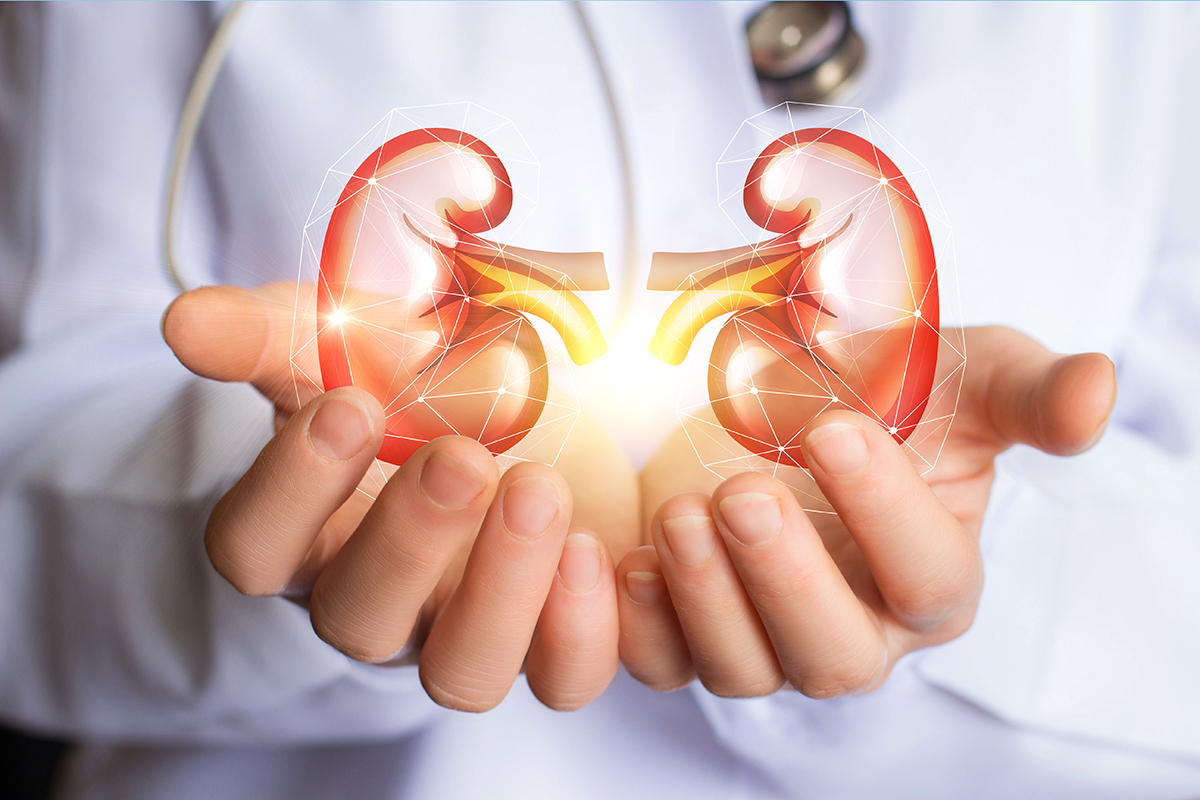
Kidney disease affects millions of people worldwide, impacting the essential functions of the kidneys and, ultimately, a person’s quality of life. Though kidney disease can progress quietly, it’s crucial to understand the symptoms, causes, and treatment options available. This article provides a comprehensive overview of kidney disease, covering everything from early detection and lifestyle changes to treatment options and recent advancements.
What Is Kidney Disease?
Definition And Overview
Kidney disease is a medical condition where the kidneys lose their ability to filter waste products and maintain the body's fluid balance effectively. Healthy kidneys remove waste and excess fluids, regulate blood pressure, and maintain electrolyte balance. When kidney function declines, harmful waste accumulates, leading to healthcomplications.
Types Of Kidney Disease
- Chronic Kidney Disease (CKD): A gradual decline in kidney function, often due to diabetesor high blood pressure.
- Acute Kidney Injury (AKI): A sudden loss of kidney function, usually due to illness, dehydration, or certain medications.
- Polycystic Kidney Disease (PKD): A genetic disorder causing cysts to form in the kidneys, which can impair function over time.
Causes Of Kidney Disease
1. Health Conditions Contributing To Kidney Disease
Diabetes and high blood pressure are leading causes of kidney disease. In diabetes, high blood sugar damages blood vessels in the kidneys, reducing their filtering ability. Similarly, high blood pressure puts excess strain on the kidneys, impairing their function over time.
2. Genetic And Lifestyle Factors
Genetics can increase susceptibility to kidney disease, especially in conditions like polycystic kidney disease. Additionally, lifestyle factors such as a diet high in salt and poor hydration can contribute to kidney damage. Smoking, obesity, and excessive use of certain medications (like pain relievers) can also increase risk.
10 Signs That You May Have Kidney Disease
- Fatigue: A decline in kidney function can lead to toxin buildup, which often causes fatigue and lack of energy.
- Swelling: Kidneys regulate fluid balance, so impaired function can cause swelling, particularly in the ankles, feet, and hands.
- Changes in Urination: Increased or decreased urination, foamy urine, or blood in the urine may be a warning sign.
- Shortness of Breath: Fluid buildup can impact lung function, leading to breathlessness.
- High Blood Pressure: Damaged kidneys struggle to regulate blood pressure, which may result in hypertension.
- Poor Appetite: A buildup of toxins and changes in hormone levels can reduce appetite.
- Muscle Cramps: Imbalances in electrolytes, such as calcium and phosphorus, can lead to muscle cramps.
- Nausea or Vomiting: The accumulation of waste products can lead to nausea, especially in advanced stages.
- Dry or Itchy Skin: Kidneys help maintain mineral balance, and a decline in their function can lead to dryness and itchiness.
- Foamy or Dark Urine: Persistent foaminess or dark color in urine may indicate protein loss or bleeding.

If you experience several of these symptoms, it’s essential to seek medical advice and undergo testing to rule out kidney disease.
Importance Of Early Detection And Screening
Early detection of kidney disease can help prevent progression to advanced stages. Regular screenings are crucial for people with risk factors, like diabetes or high blood pressure. Common tests for early detection include blood tests to check creatinine levels and urine tests to detect protein leakage. Catching kidney disease early can help avoid severe outcomes and address kidney failure symptomsbefore they worsen. Regular screenings can help manage kidney health proactively.
Stages Of Kidney Disease
Kidney disease is often classified into five stages, with each stage representing a decline in kidney function.
- Stage 1: Normal kidney function but with signs of mild kidney damage.
- Stage 2: Slightly reduced function with mild symptoms.
- Stage 3: Moderate decline in kidney function; symptoms like fatigue and swelling may appear.
- Stage 4: Severe reduction in kidney function, with significant symptoms; planning for dialysis or transplant may begin.
- Stage 5: Kidney failure, requiring dialysis or a kidney transplant.
Diagnosis Of Kidney Disease
1. Key Tests And Procedures
Diagnosing kidney disease involves several tests. Blood tests measure creatinine levels, which are used to calculate the glomerular filtration rate (GFR), indicating kidney function. Urine tests detect protein leakage, while imaging studies (like ultrasound) reveal structural issues and can also identify conditions such as kidney stonesthat may impact kidney health. In some cases, a kidney biopsy may be recommended for a more detailed analysis.
Interpreting Test Results
Normal GFR levels are usually over 90. A GFR below 60 suggests kidney disease, while a GFR under 15 indicates kidney failure. Creatinine levels and the presence of proteins in the urine are also key indicators of kidney health.
Treatment Options For Kidney Disease
Lifestyle And Dietary Changes
Diet and lifestyle changes are often the first line of defense in managing kidney disease. Reducing sodium intake, staying hydrated, and following a balanced diet with controlled protein levels can ease the kidneys’ workload.
Medications And Therapies
Medications, such as ACE inhibitors and angiotensin receptor blockers (ARBs), help manage blood pressure and protect kidney function. Other treatments focus on reducing symptoms, such as diuretics for swelling.
Dialysis And Kidney Transplant
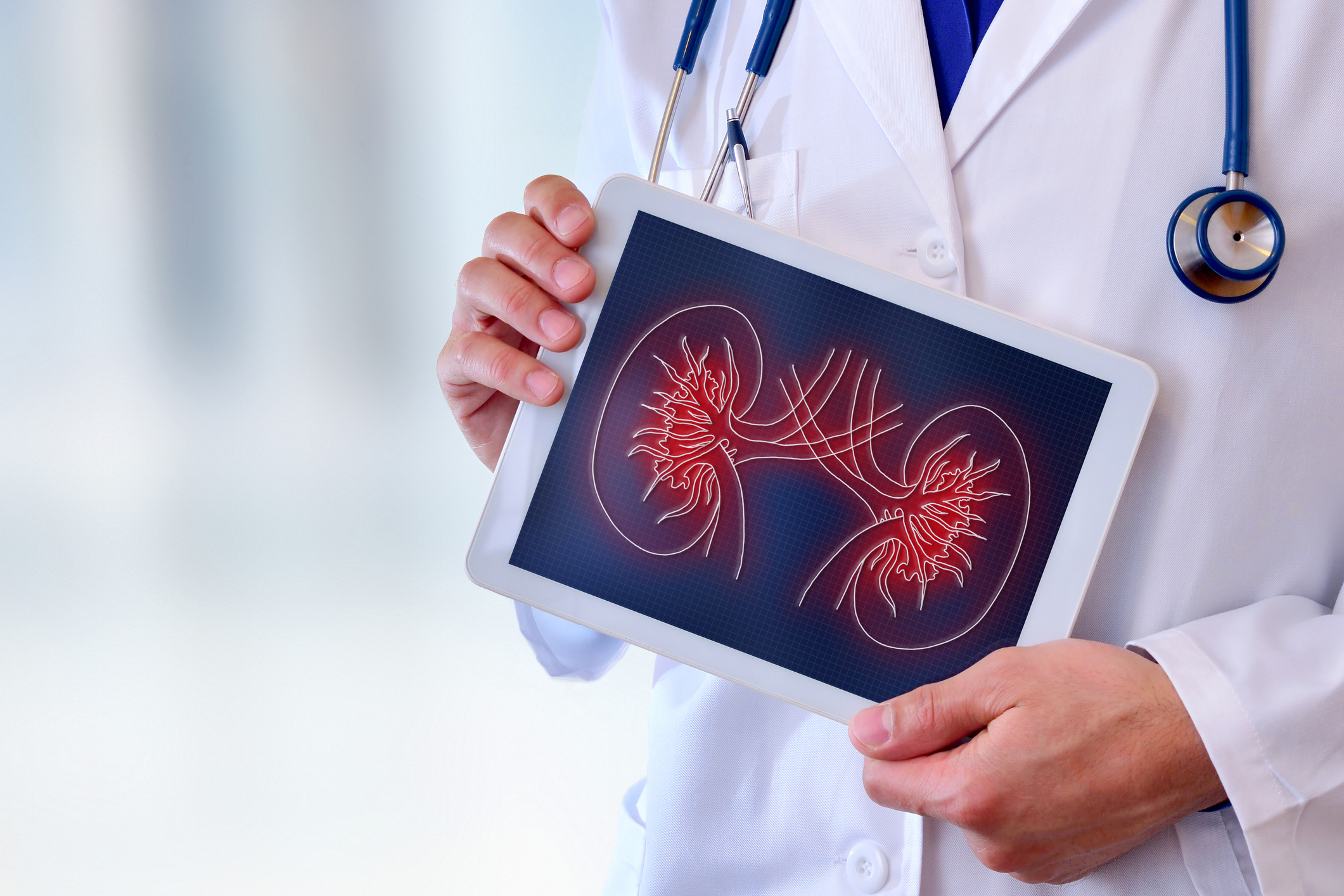
For advanced kidney disease, dialysis and kidney transplant are primary treatment options. Dialysis removes waste products and excess fluids, while a kidney transplant offers a long-term solution. The choice between these treatments depends on the individual’s health, stage of disease, and personal preferences.
Ways To Prevent Kidney Disease
1. Stay Hydrated
Drinking enough water supports your kidneys by helping them flush out toxins. Aim for about 8 glasses a day, but adjust based on your activity level, climate, and any medical recommendations.
2. Control Blood Pressure And Blood Sugar
High blood pressure and diabetes are leading causes of kidney disease. Regular monitoring and management of blood pressure and blood sugar levels help reduce kidney strain. Following prescribed medications, a balanced diet, and regular exercise are essential steps in controlling these conditions. For individuals with diabetes, careful management is particularly important to prevent diabetic kidney disease, a common complication that can lead to significant kidney damage if left unchecked.
3. Eat A Kidney-Friendly Diet
A diet low in sodium, processed foods, and sugar helps maintain kidney health. Opt for fresh fruits, vegetables, whole grains, and lean proteins. Limiting foods high in potassium and phosphorus, like bananas and dairy, may also be necessary if advised by a healthcare provider.
4. Avoid Smoking And Limit Alcohol
Smoking restricts blood flow to the kidneys, impairing their function, while excessive alcohol consumption can lead to dehydration and increase blood pressure. Quitting smoking and reducing alcohol intake can significantly improve kidney health and reduce disease risk.
5. Regular Exercise
Physical activity helps maintain a healthy weight, reduce blood pressure, and improve cardiovascular healthall of which reduce the risk of kidney disease. Even moderate exercise, like walking or cycling, for 30 minutes most days of the week can provide great benefits.
Living With Kidney Disease
Living with kidney disease requires a comprehensive approach that includes medical management, lifestyle adjustments, and emotional support. Here are some strategies that can help:
First, adhering to prescribed medications and treatment plans is essential to manage symptoms and slow the progression of kidney disease. Medications may include blood pressure regulators, diuretics, and drugs to control electrolyte levels. Working closely with your healthcare provider ensures treatments are effective and adjusted as needed.
Dietary modifications are often necessary to reduce the workload on the kidneys. This may include limiting salt, potassium, and phosphorus intake and eating kidney-friendly foods. A renal dietitian can help you plan meals that meet your nutritional needs without straining your kidneys.
Emotionally, kidney disease can be challenging. Seeking support from family, friends, or a support group can help you navigate the emotional impact of the disease. Many find comfort in connecting with otherswho are also managing kidney disease, as it provides a space to share experiences and coping strategies.
Dietary Recommendations For Kidney Disease Patients
Patients with kidney disease benefit from a diet low in sodium, phosphorus, and potassium. Foods like processed meats, dairy, bananas, and oranges should be limited. Opt for kidney-friendly foods like cauliflower, blueberries, and fish high in omega-3 fatty acids. Following a DASH or renal diet, as advised by a healthcare provider, can help reduce disease progression.
Common Myths And Misconceptions About Kidney Disease
There are several misconceptions about kidney disease, such as the belief that only older adults are affected or that dialysis is inevitable. In reality, kidney disease can affect people of all ages, and early detection can prevent the need for dialysis. Correcting these misconceptions through accurate information can promote better awareness and preventive practices.

Advances In Kidney Disease Research And Treatment
New research and treatment methods are constantly emerging. Innovations like wearable dialysis devices, regenerative medicine, and gene therapyare on the horizon, promising improved quality of life for kidney disease patients. Clinical trials are also underway for new medications that could further enhance treatment options.
FAQs
What Are The Main Causes Of Kidney Disease?
Diabetes and high blood pressure are the most common causes of kidney disease, followed by genetic factors and lifestyle habits.
How Can I Tell If I Have Kidney Disease?
Symptoms like fatigue, swelling, and changes in urination may indicate kidney disease. However, testing is essential for a definitive diagnosis.
Is Kidney Disease Reversible?
While kidney disease is not always reversible, early detection and treatment can slow its progression and improve quality of life.
What Dietary Changes Help With Kidney Disease?
A kidney-friendly diet low in sodium, potassium, and phosphorus can help manage symptoms and reduce progression.
What Is The Connection Between Kidney Disease And Heart Health?
Kidney disease increases the risk of heart disease as both organs work together to maintain overall health. Managing one condition can benefit the other.
Final Thoughts
Kidney disease is a serious but manageable condition with the right care, early detection, and lifestyle adjustments. By understanding the signs, taking preventive measures, and following a treatment plan, individuals can maintain a good quality of life despite the challenges. Regular screenings and an awareness of risk factors are key to protecting kidney health and enhancing well-being.
Jump to
What Is Kidney Disease?
Causes Of Kidney Disease
10 Signs That You May Have Kidney Disease
Importance Of Early Detection And Screening
Stages Of Kidney Disease
Diagnosis Of Kidney Disease
Treatment Options For Kidney Disease
Ways To Prevent Kidney Disease
Living With Kidney Disease
Dietary Recommendations For Kidney Disease Patients
Common Myths And Misconceptions About Kidney Disease
Advances In Kidney Disease Research And Treatment
FAQs
Final Thoughts

Suleman Shah
Author
Suleman Shah is a researcher and freelance writer. As a researcher, he has worked with MNS University of Agriculture, Multan (Pakistan) and Texas A & M University (USA). He regularly writes science articles and blogs for science news website immersse.com and open access publishers OA Publishing London and Scientific Times. He loves to keep himself updated on scientific developments and convert these developments into everyday language to update the readers about the developments in the scientific era. His primary research focus is Plant sciences, and he contributed to this field by publishing his research in scientific journals and presenting his work at many Conferences.
Shah graduated from the University of Agriculture Faisalabad (Pakistan) and started his professional carrier with Jaffer Agro Services and later with the Agriculture Department of the Government of Pakistan. His research interest compelled and attracted him to proceed with his carrier in Plant sciences research. So, he started his Ph.D. in Soil Science at MNS University of Agriculture Multan (Pakistan). Later, he started working as a visiting scholar with Texas A&M University (USA).
Shah’s experience with big Open Excess publishers like Springers, Frontiers, MDPI, etc., testified to his belief in Open Access as a barrier-removing mechanism between researchers and the readers of their research. Shah believes that Open Access is revolutionizing the publication process and benefitting research in all fields.

Han Ju
Reviewer
Hello! I'm Han Ju, the heart behind World Wide Journals. My life is a unique tapestry woven from the threads of news, spirituality, and science, enriched by melodies from my guitar. Raised amidst tales of the ancient and the arcane, I developed a keen eye for the stories that truly matter. Through my work, I seek to bridge the seen with the unseen, marrying the rigor of science with the depth of spirituality.
Each article at World Wide Journals is a piece of this ongoing quest, blending analysis with personal reflection. Whether exploring quantum frontiers or strumming chords under the stars, my aim is to inspire and provoke thought, inviting you into a world where every discovery is a note in the grand symphony of existence.
Welcome aboard this journey of insight and exploration, where curiosity leads and music guides.
Latest Articles
Popular Articles