Switch To Natural Toothpaste - Safe Alternatives For Strong Teeth
Switching to a natural toothpaste can enhance your oral care routine. Discover the benefits of natural ingredients for teeth.
Author:Suleman ShahReviewer:Han JuNov 05, 2024
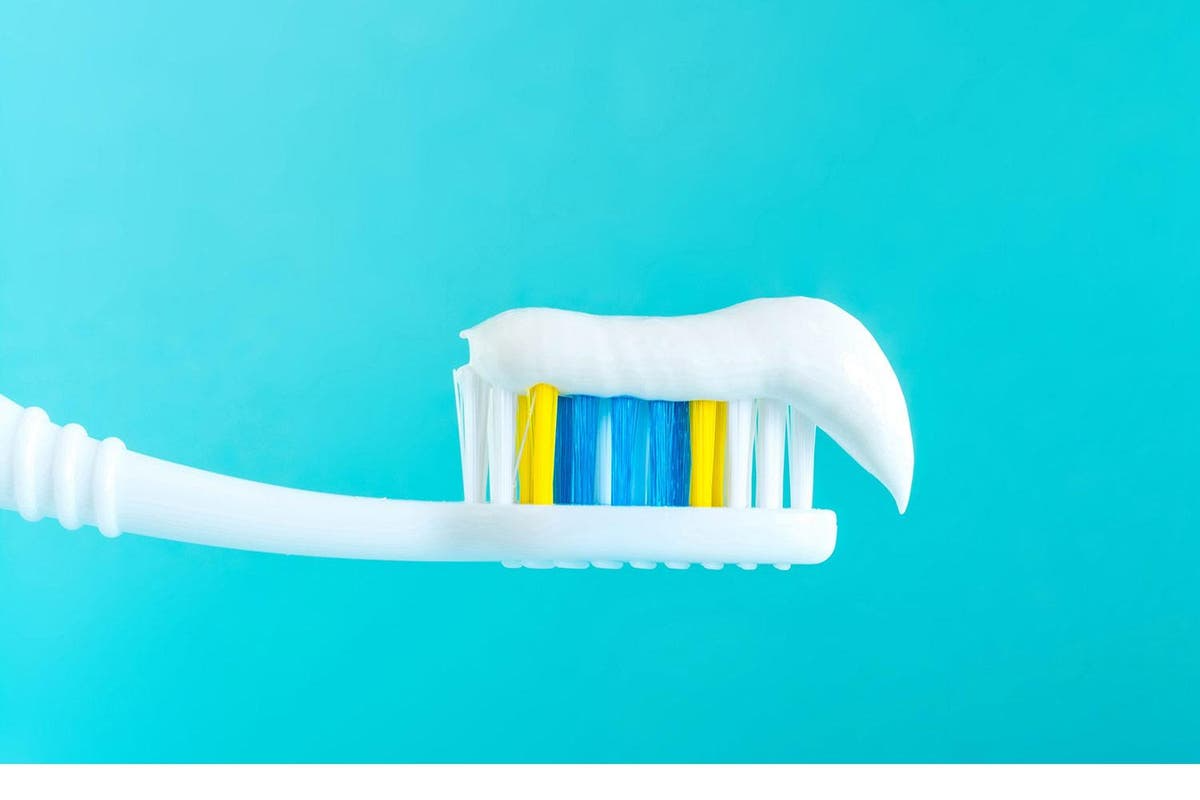
Many of the components used to make natural toothpaste are crucial to maintaining healthy teeth and gums. Ordinary toothpaste may not include all of these components. When thinking about the advantages of natural toothpaste, the components are crucial.
Natural paste for teethhas several advantages and may be as effective as conventional toothpaste. You may confidently choose a natural toothpaste that suits your requirements when you learn the distinctions between natural and conventional toothpaste and how natural components function.
How Was Toothpaste Made In The Past?
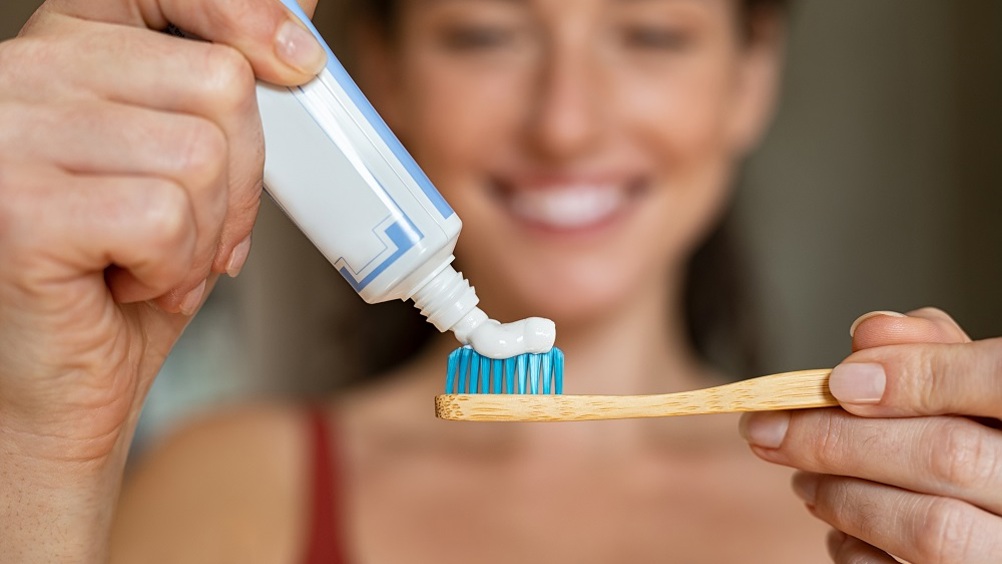
According to historical documents, the ancient Egyptians (around 3,000 to 5,000 BC)were the first to manufacture toothpaste. They used ash from burned cow hooves or egg shells. After the ashes were ground into a powder, they were mixed with pumice.
The primary goal of this mixture was to clean the teeth by removing plaque and tartar. The common belief is that this combination was made into a paste by adding water before usage.
What Are Natural Pastes For Teeth?
Fluoride, artificial sweeteners, and colors are just a few of the synthetic compounds included in most commercial toothpastes. But, toothpaste that does not include these compounds is becoming more popular.
Baking soda, aromatic oils, and hydrated silica are common ingredients in these all-natural substitutes. Peppermint, tea tree, and lavender are three of the most common essential oilsused in all-natural toothpaste. In addition to their pleasant taste, the antimicrobial qualities of these oils may aid in maintaining a healthy mouth.
Another typical component of all-natural toothpaste is baking soda. Your teeth will feel cleaner and appear brighter after using it because of the gentle abrasiveness it uses to eliminate plaque and stains. Last but not least, hydrated silica is a fine powder that aids in scrubbing away dirt and germs.
Homemade Natural Paste For Teeth Recipe
Bentonite Clay Toothpaste Recipe
The remineralizing qualities of powdered bentonite clay are reason enough for some to use it in their natural toothpaste. Also, it may be used as a substitute for baking soda in DIY toothpaste recipes since it is a mild abrasive. Essential peppermint oil is used in this homemade toothpaste recipeto promote fresh breath.
While there is an initial investment required for the materials, the final cost per ounce of this inexpensive toothpaste is around one-third cheaper than purchasing the brand-name alternative.
Keep in mind that metal might change the clay's qualities, so it's best to avoid handling or storing it alongside metal. Scoop contents into containers made of plastic, wood, or glass instead.
Vegan Coconut Oil Toothpaste Recipe
There are just three simple components needed for this DIY coconut oil toothpaste recipe.
- Coconut oil, half a cup.
- Baking soda, two to three tablespoons.
- 10 - 15 drops of peppermint essential oil.
Instructions
- To make mixing the coconut oil easier, heat it.
- Combine the coconut oil with the baking soda.
- Include peppermint oil.
- Thoroughly combine.
- Keep it in a sealed glass jar.
The paste's flavor is off-putting, a strange blend of coconut and salt, but the fact that it's all natural and good for you makes it worthwhile.
Coconut Oil Turmeric Toothpaste Recipe
Make your turmeric toothpaste why not? Turmeric's anti-plaque, anti-inflammatory, and antimicrobial effects have been discovered. Some people also say that turmeric may whiten teeth and refresh breath. Find out for yourself if this coconut oil and turmeric natural toothpaste is right for you! Many people who like natural toothpaste adore it.
The ingredients for this turmeric-based toothpaste recipe are.
- Coconut oil, 2 teaspoons.
- One teaspoon of turmeric.
- Use one teaspoon of baking soda.
- Peppermint oil, a few drops.
Mash the coconut oil, turmeric, and baking soda together when it has cooled to room temperature. Add the peppermint oil once they've mixed well.
What Ingredients Should Be Avoided In Homemade (natural) Toothpaste?
Natural toothpaste is becoming more popular among customers. Making your natural toothpaste at home not only helps keep your teeth and gums healthy, but it also has therapeutic and preventative advantages. You should stay away from these substances when you make your toothpaste at home, mostly because of the negative consequences they might cause.
- Glycerin - Although glycerin is completely safe to use, there is concern that it can inhibit the remineralization process by depositing a thin film on the surface of the enamel.
- Saccharin- Often thought of as an artificial sweetener, saccharin may be carcinogenic.
- Fluoride - In small doses, fluoride prevents tooth cavities, but in higher doses, it may cause toxicity.
- Propylene glycol - is used as an emulsifier; potential side effects include skin, eye, and lung irritation and organ damage.
- Triclosan- Triclosan has carcinogenic qualities and has the potential to produce endocrine problems and antibiotic resistance.
- Sodium lauryl sulfate- It may induce canker sores and is very addicting; it also has the potential to change one's taste.
- Hydrogen peroxide- the risk of harming the oral and gingival tissues.
- Artificial ingredients like added colors- long-term effects on the nervous system might be problematic.
Natural Toothpaste Alternatives
Baking Soda
Many people recommend baking soda as a versatile cleaning agent. People who wash their teeth after dipping them in baking soda report that their teeth feel and appear cleaner. Some people additionally add a minty aroma and flavor to their toothbrush by dipping it in mint oil after filling it with baking soda.
Hydrogen Peroxide
It is said that this all-natural substitute for toothpaste can maintain clean and white teeth. It's a viable alternative to conventional toothpaste for certain individuals. This purported remedy's primary flaw is that it draws vapors from amalgam fillings. You should see a dentist before using it because of this risk.
Sea Salt
Sea salt scrubs teeth like that of baking soda. Nevertheless, before putting it to the teeth, it must be dissolved in water. In any other case, the abrasiveness of the salt crystals might damage teeth.
Dry Brushing
Some insist on insisting that toothpaste is unnecessary. No amount of natural toothpaste or dry brushing can remove plaque and tartar from teeth. But it won't clean your teeth as well or function nearly as well as toothpaste.
Brushing The Teeth With Pure Water
If you're not a fan of the dry brushing approach and are looking for an alternative to conventional toothpaste, you may try brushing with only water instead. Just wet the bristles of your toothbrush and brush your teeth as usual.
All-natural Tooth Soap
There is a significant danger of accidentally ingesting all-natural soap, even if it may be used to clean teeth (either general-purpose soap for the body or soap made for teeth). Soap will leave your skin feeling clean, even if it tastes awful. Given the potential healthrisks associated with ingesting any kind of soap, we recommend that consumers look into other solutions.
Herbal Tooth Powders
Yes, these powders do a good job of cleaning teeth. Most of the herbs used to make these powders also have anti-inflammatory, pain-relieving, and anti-infective properties.
Natural Coconut Oil
Coconut oils provide a pleasant aroma, kill germs and fungi, and prevent infections. When mixed with baking soda, they make an excellent mouthwash.
Essential Oils
Essential oils have a wide variety of applications. Their strong aroma will leave your breath smelling great. Because of how well these oils clean the mouth, they are a common ingredient in mouthwash. To make do until you can go home and give your teeth a good cleaning, just add a drop of peppermint oil to a damp toothbrush and brush your teeth.
Is Natural Toothpaste Better For Your Teeth?
Even if there isn't a universally correct response to this question, you can get the details you need on the label of the product. The comparison between natural and artificial toothpaste components will determine the answer. You can't assume that a more chemically loaded toothpaste is superior just because it's natural.
Get a good idea of what you want and what you want left out of your toothpaste recipe. Finding the perfect toothpaste for your needs may be accomplished in that method. Indeed, natural toothpaste is often more ethically produced and far healthier for the environment. True, natural toothpaste often eschew chemicals, which are also some of the toothpaste's most harmful components. You may discover the ideal toothpaste that meets all of your needs if you are well-informed.
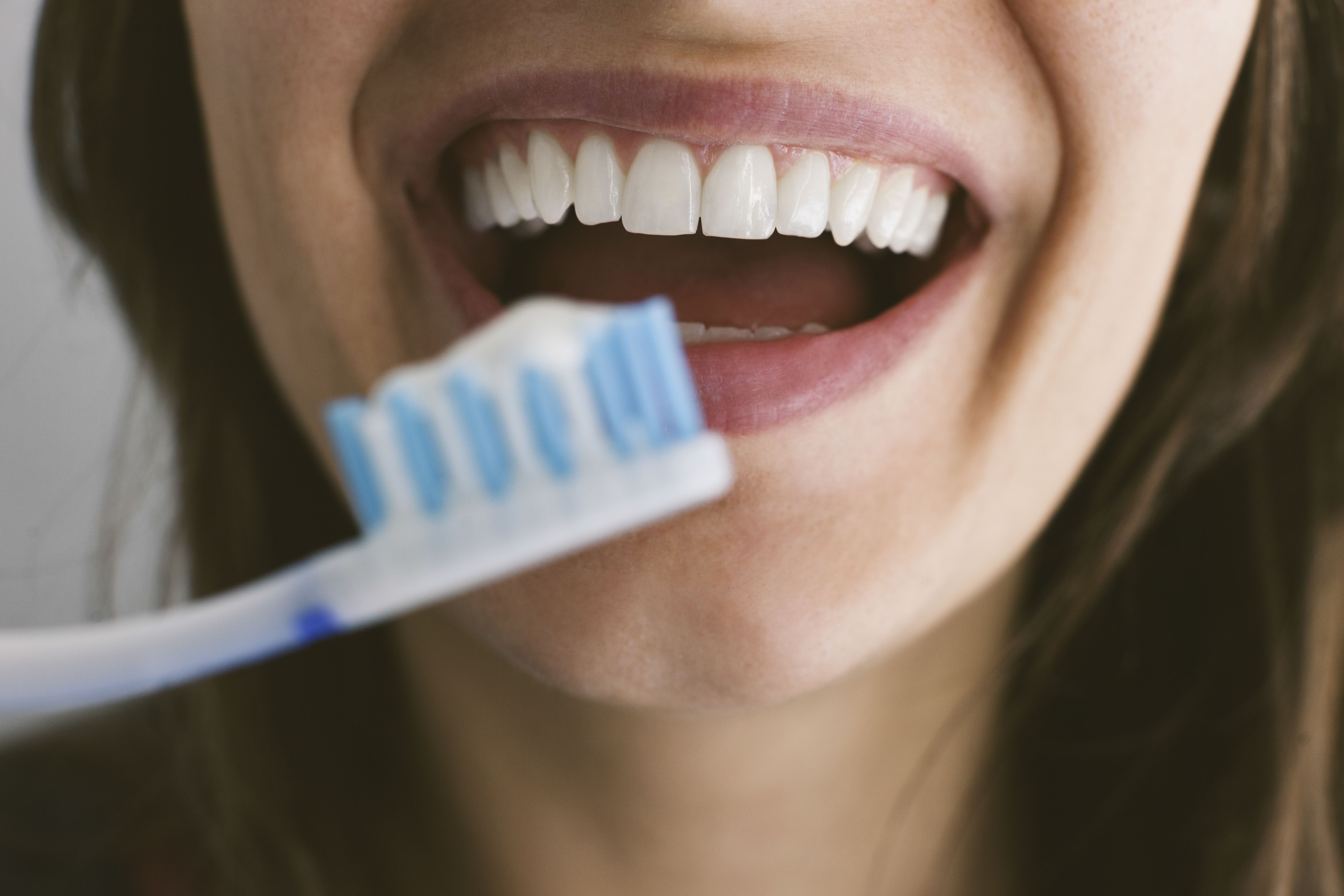
Pros And Cons Of Natural Paste For Teeth
Fluoride
Contrary to popular belief, fluoride is not included in every all-natural toothpaste. Everyone in the dental community agrees that fluoride should be a key component of any good toothpaste. To prevent cavities and other dental problems, fluoride fortifies tooth enamel.
Avoiding fluoride may be a good idea in some situations, such as when you have allergies. See your dentist about fluoride-free toothpaste choices if that's an issue for you.
No matter what your dental requirements are, you can get fluoride-enriched or fluoride-free natural toothpaste solutions from many different brands. You can still benefit from the other elements in natural toothpaste, even if they don't include fluoride.
Whitening
The question of whether or not natural toothpaste can whiten teeth comes up often when people discuss these products. While a professional whitening treatment will provide the greatest effects in the long run, whitening toothpaste may help maintain your pearly whites and stop new stains from accumulating.
You can whiten your teeth with several natural toothpastes. In a natural toothpaste, baking soda is usually the whitening agent to seek for. Stay away from charcoal toothpastes since they might be harsh on enamel.
Frequently Asked Questions
Which Type Of Paste Is Good For Teeth?
Find a fluoride-containing toothpaste if you have a historyof cavities; this ingredient helps naturally prevent tooth decay. By fortifying the enamel of your teeth, fluoride shields them from the acids that might cause cavities. For these reasons, you can trust any "anti-cavity" toothpaste to protect your teeth.
How To Clean Teeth Naturally?
Flossing the teeth. You should start by brushing your teeth more often and properly. a combination of baking soda and hydrogen peroxide; a method for extracting coconut oil; a vinegar made from apple cider; Peels of orange, banana, or lemon. Charcoal powder. Consuming a diet rich in water-containing fruits and vegetables.
How Do I Choose Natural Toothpaste?
A person whose teeth are always sensitive shouldn't use a paste that has baking soda in it. Finding the perfect brand of toothpaste for your needs is best accomplished by getting to know your mouth. In this manner, you may research items with a clear idea of the advantages you're seeking.
Do Natural Paste For Teeth Work?
Though they may lack some of the chemicals found in commercial toothpaste, natural alternatives may nevertheless do a good job of cleaning teeth and freshening breath.
Conclusion
Natural paste for teeth may provide you with a multitude of advantages. It comes down to having clear desires and, maybe more crucially, a firm grasp on what you most certainly do not want. Then you'll be able to make a well-informed choice for the best brush for your needs. Natural toothpaste is cost-effective and also protects your teeth from chemicals and makes them strong naturally.
Jump to
How Was Toothpaste Made In The Past?
What Are Natural Pastes For Teeth?
Homemade Natural Paste For Teeth Recipe
What Ingredients Should Be Avoided In Homemade (natural) Toothpaste?
Natural Toothpaste Alternatives
Is Natural Toothpaste Better For Your Teeth?
Pros And Cons Of Natural Paste For Teeth
Frequently Asked Questions
Conclusion

Suleman Shah
Author
Suleman Shah is a researcher and freelance writer. As a researcher, he has worked with MNS University of Agriculture, Multan (Pakistan) and Texas A & M University (USA). He regularly writes science articles and blogs for science news website immersse.com and open access publishers OA Publishing London and Scientific Times. He loves to keep himself updated on scientific developments and convert these developments into everyday language to update the readers about the developments in the scientific era. His primary research focus is Plant sciences, and he contributed to this field by publishing his research in scientific journals and presenting his work at many Conferences.
Shah graduated from the University of Agriculture Faisalabad (Pakistan) and started his professional carrier with Jaffer Agro Services and later with the Agriculture Department of the Government of Pakistan. His research interest compelled and attracted him to proceed with his carrier in Plant sciences research. So, he started his Ph.D. in Soil Science at MNS University of Agriculture Multan (Pakistan). Later, he started working as a visiting scholar with Texas A&M University (USA).
Shah’s experience with big Open Excess publishers like Springers, Frontiers, MDPI, etc., testified to his belief in Open Access as a barrier-removing mechanism between researchers and the readers of their research. Shah believes that Open Access is revolutionizing the publication process and benefitting research in all fields.

Han Ju
Reviewer
Hello! I'm Han Ju, the heart behind World Wide Journals. My life is a unique tapestry woven from the threads of news, spirituality, and science, enriched by melodies from my guitar. Raised amidst tales of the ancient and the arcane, I developed a keen eye for the stories that truly matter. Through my work, I seek to bridge the seen with the unseen, marrying the rigor of science with the depth of spirituality.
Each article at World Wide Journals is a piece of this ongoing quest, blending analysis with personal reflection. Whether exploring quantum frontiers or strumming chords under the stars, my aim is to inspire and provoke thought, inviting you into a world where every discovery is a note in the grand symphony of existence.
Welcome aboard this journey of insight and exploration, where curiosity leads and music guides.
Latest Articles
Popular Articles