Natural Therapy Against COVID – Use Of Plant Metabolites During COVID Pandemics
Plant metabolites are a natural therapy against COVID, and their complex chemical structures make them ideal for treating severe ailments. Some have previously been identified as potentially helpful alternative medications and lead molecules for drug repurposing and development.
Author:Suleman ShahReviewer:Han JuJul 20, 20226.7K Shares565.9K Views
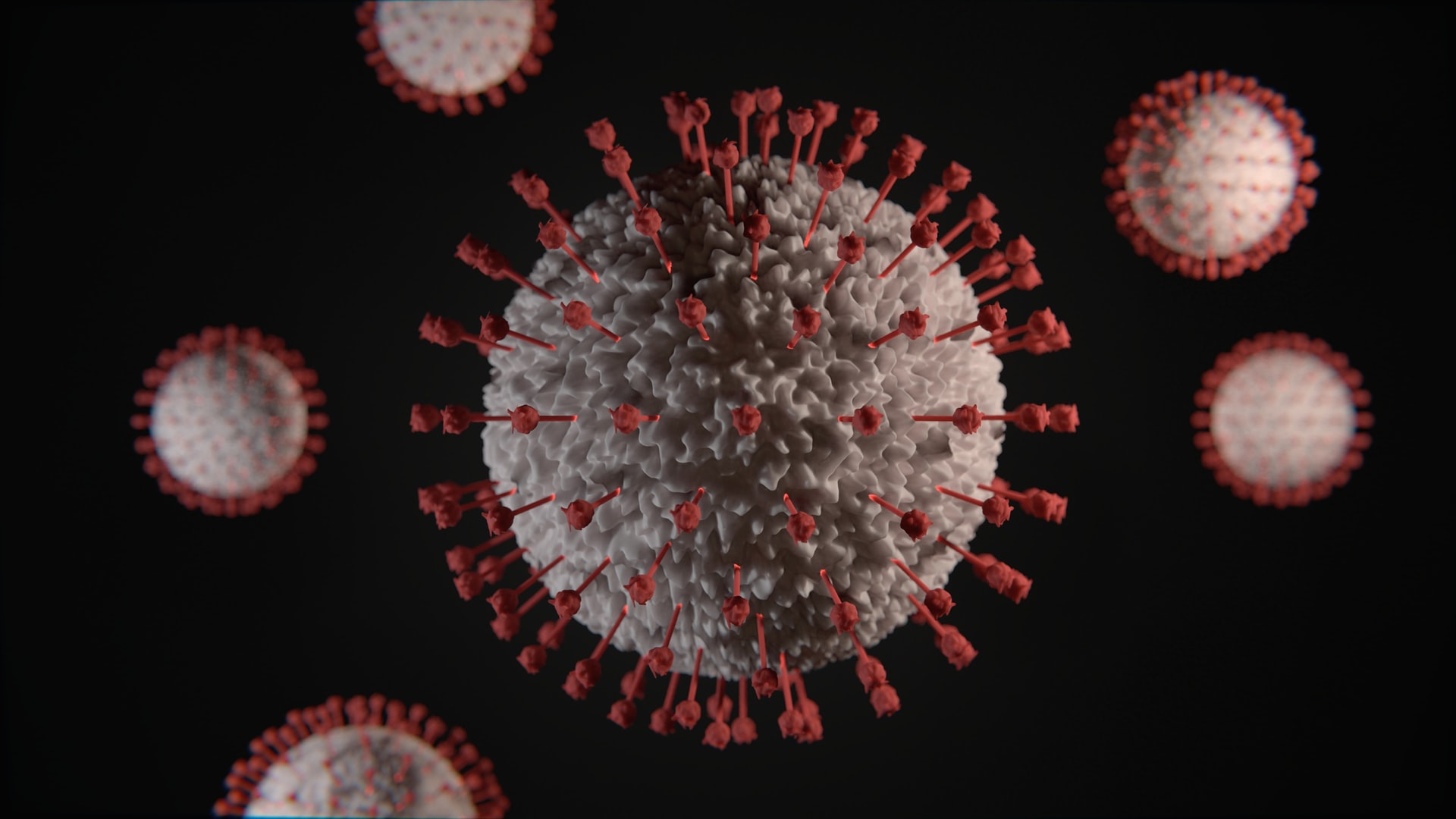
COVID-19, a disease caused by SARS-CoV-2 (Severe Acute Respiratory Syndrome Coronavirus-2), has caused a global pandemic.
Despite substantial recent studies on the development of effective therapies against this global healthproblem, there is still no licensed medication against SARS-CoV-2.
Plant-derived secondary metabolites were emphasized in this work to provide a review concentrating on the effectiveness of plant-derived therapies for treating COVID-19.
Plant metabolites are a natural therapy against COVID, and their complex chemical structures make them ideal for treating severe ailments. Some have previously been identified as potentially helpful alternative medications and lead molecules for drug repurposing and development.
Secondary metabolites' adaptability may also give new medications to combat MDR (Multi-Drug Resistant) bacteria.
SARS Cov-2 Epidemiology, Genostructure, And Life Cycle
SARS CoV-2 emerged in China's Wuhan seafood market in December 2019 and spread to 216 nations. It possesses a 26.4-31.7kb single-stranded RNA genome and crown-like glycoproteins on its surface.
Brazil is now the next hotspot, after the United States, Russia, France, Italy, Germany, Spain, and the United Kingdom, where over 11 million individuals are infected.
SARS CoV-2 enters the human body by the nose, mouth, or eyes and then connects to the receptor-binding domain (RBD) utilizing the virion's surface glycoprotein (Spike-protein), which attempts to engage with the hACE2 receptor.
SARS Cov-2's entrance method depends on cellular transmembrane serine protease 2 (TMPRSS2), furin, and the viral receptor ACE2.
The virus's envelope and capsid are eliminated once it attaches to the host cell membrane. The virus secretes its genetic material (RNA) into the cytoplasm, which serves as mRNA for translating polypeptides into proteins required for replication and transcription. SARS CoV-2 patients have been shown to have high levels of cytokines and chemokines.
These abnormally high levels cause a patient to reach a critical stage. Mutations may result in new strains with altered virulence, which is why developing a good vaccination is difficult.
Major SARS CoV-2 Drug Targets
16 proteins can be targeted, and 16 non-structural proteins (NSPs) may be considered. Proprotein convertase furin-potentiates cell fusion and serine protease TMPRSS2 are the two most essential enzymes responsible for S-protein activation and are promising therapeutic candidates for COVID therapy.
Sars-CoV-2 And The Search For Effective Therapies
Though substantial research is being conducted to create viable vaccinations or pharmacological molecules against SARS-CoV-2, effective therapies have yet to be developed.
Furthermore, interferon therapy, monoclonal antibodies, oligonucleotide-based therapies, peptides, small-molecule medicines, and vaccinations are among the most effective strategies for regulating or avoiding COVID-19.
Existing medications may be used as first-line therapy for coronavirus epidemics, but they are not the only way to eliminate the illness. As a result, the development of therapeutic medications for the treatment of the COVID-19 outbreak has received a lot of attention.
Scientists from several professions are attempting to find out how to produce treatments. On the other hand, the experimental consequences of drug recombination may be both costly and time-consuming, but computational examination may provide testable hypotheses for systematic drug recombination.
Plant Secondary Metabolites Can Beat Synthetic Drugs For SARS Cov-2
There is a pressing need for COVID-19-specific antiviral treatments and vaccines. Bioengineered and vectored antibodies, as well as cytokine and nucleic acid-based therapies that target viral gene expression, have been identified as possible treatments for coronavirus infections.
Some synthetic medications are ineffective because they have adverse direct or indirect side effects. The reliance on and popularity of plant-based medicines is growing by the day. Plant-based compounds influence several crucial steps in the pathogenic process.
Many plant metabolites inhibit SARS CoV. Plant metabolomics is being utilized to identify new pharmaceuticals from plant resources.
Maceration, percolation, decoction, and soxhlet extraction are all modern procedures for isolating lead compounds from crude extracts.
Alternatives To Synthetic Antiviral Drugs And Hope For Covid-19
Plants create a variety of low molecular weight PSMs to defend themselves from various herbivores and microorganisms. Before the discovery of allopathic medications, these prominent natural sources were widely employed to treat various human ailments.
Because of the rising resistance of microbial diseases to allopathic medications, researchers have turned to natural resources, mainly plant metabolites, to develop lead molecules to combat human pathogens. Furthermore, pharmaceutical items from wild plants or herbs make for around 35% of the worldwide medicine industry (worth 1.1 trillion US dollars).
Researchers are looking for new and contemporary medications from various herbal remedies to combat this microbial resistance struggle. There are several similarities between SARS CoV and SARS CoV-2 (both belong to a beta family, containing the same genetic material-RNA, and using the same receptor for viral attachment-ACE2, with an 86 percent identity and 96 percent similarity of the genome, with almost the exact pathogenesis).
As a result, previously described antiviral plant metabolites for SARS CoV may be evaluated as potential COVID-19 therapeutic candidates. The current setbacks caused by viral infection throughout the globe have imposed funding limitations on researchers attempting to develop effective antiviral medications.
However, certain PSMs have previously shown anti-SARS CoV activity and other antiviral properties. These findings imply that there is room for alternative treatments and specialized chemicals to be discovered.
Plants may therefore be a valuable resource in the battle against COVID-19.

Mechanism Of Action And Structure Of Plant-Based Antiviral Compounds
Polyphenols are phenols, flavonoids, lignans, hydroxycinnamic acid, stilbenes, and hydroxybenzoic acid that contain several phenolic rings.
Polyphenols fight coronaviruses by activating or inhibiting cellular signaling pathways and blocking the papain-like protease (PLpro) and 3CLpro) enzymes.
Polyphenols have been shown in silico to inhibit SARS CoV-2 Mpro and RdRp efficiently. Alkaloids are a natural chemical substance divided into numerous classes depending on their heterocyclic ring structure, such as tropanes, pyrrolidines, and imidazoles.
Several alkaloids, including emetine, Ipecac, Macetaxime, tylophorine, and 7-methoxy cryptopleurine, have shown anti-SARS efficacy by inhibiting protease enzyme, RNA synthesis, and protein synthesis. As a result, specific plant secondary metabolites such as alkaloids may be potential COVID-19 pharmacological targets.
Future Perspectives On Plant Secondary Metabolites-Based Drug Discovery
The extraction and purification of active components from traditional remedies are referred to as drug discovery from plant metabolites. Plant secondary metabolites are classified into numerous types and are responsible for herbal medications' biological activity.
A good grasp of plant chemical composition leads to a better comprehension their potential therapeutic usefulness. The use of contemporary technologyhas sped up the screening of natural products in the search for novel medications.
There is an urgent need for particular methods to discover new bioactive chemicals, which are critical for linked organizations, businesses, and governments.
However, availability, bioavailability, pharmacokinetic profile, and intellectual property are essential in transforming an attractive molecule into a lucrative therapeutic candidate.
The seven primary pharmacological targets of SARS CoV-2 have already been reported. Screening plant secondary metabolites for drug establishment using molecular docking is time and cost-effective.
Plant metabolomics is increasingly being utilized to find new pharmaceuticals from plant resources. Understanding the genes and proteins involved in secondary metabolic pathways is also critical.
Natural Remedies For Post COVID Fatigue
Implementing an anti-inflammatory and antioxidant diet, getting enough rest, and regulating stress levels are techniques for healing from post-viral tiredness and other post-viral symptoms.
Take care of your gut health by mending the gut lining and providing pre and probioticsto the microbiota. Include a variety of superfoods, including turmeric, ginger, and green tea, in your diet or as supplements.
Including anti-inflammatory supplements such as quercetin, curcumin, and fish oils, as well as ensuring optimal vitamin D levels. Supplementing with zinc and selenium may be advantageous since we may not obtain enough of these minerals even when we eat a reasonably balanced diet.
People Also Ask
Can COVID-19 Be Transmitted Through Food?
There is presently no indication that COVID-19 can be contracted via food. COVID-19 virus can be destroyed at temperatures comparable to other known viruses and bacteria in food.
What Can I Do To Cope With The Effects Of COVID-19 Quarantine?
Individuals' health, well-being, and quality of lifemight suffer from sedentary behavior and insufficient levels of physical exercise. Self-quarantine may also increase stress and put residents' mental healthat risk.
Physical exercise and relaxation methods might help you be calm and protect your health during this period. The World Health Organization advises 150 minutes of moderate-intensity physical activity per week or 75 minutes of vigorous-intensity physical activity per week or a mix of the two.
What Are The Organs Most Affected By COVID‐19?
COVID19 has the greatest impact on the lungs.
What Are Some Preventative Measures For COVID-19?
Physical or social isolation, quarantining, ventilation of interior areas, covering coughs and sneezes, hand washing, and keeping unwashed hands away from the face are all preventive methods. In public places, wearing face masks or covers has been advocated to reduce the risk of transmission.
Conclusion
Some traditional Chinese plant preparations are anti-SARS CoV-2, and this formulation is also given to COVID patients.
The world is facing a severe health crisis, and an effective solution to combat the raging fire of COVID-19 is required.
Researchers are attempting to discover an effective solution to this problem. The current work may assist them in thinking in a new dimension by using databases based on plant metabolites.
Jump to
SARS Cov-2 Epidemiology, Genostructure, And Life Cycle
Major SARS CoV-2 Drug Targets
Sars-CoV-2 And The Search For Effective Therapies
Plant Secondary Metabolites Can Beat Synthetic Drugs For SARS Cov-2
Alternatives To Synthetic Antiviral Drugs And Hope For Covid-19
Mechanism Of Action And Structure Of Plant-Based Antiviral Compounds
Future Perspectives On Plant Secondary Metabolites-Based Drug Discovery
Natural Remedies For Post COVID Fatigue
People Also Ask
Conclusion

Suleman Shah
Author
Suleman Shah is a researcher and freelance writer. As a researcher, he has worked with MNS University of Agriculture, Multan (Pakistan) and Texas A & M University (USA). He regularly writes science articles and blogs for science news website immersse.com and open access publishers OA Publishing London and Scientific Times. He loves to keep himself updated on scientific developments and convert these developments into everyday language to update the readers about the developments in the scientific era. His primary research focus is Plant sciences, and he contributed to this field by publishing his research in scientific journals and presenting his work at many Conferences.
Shah graduated from the University of Agriculture Faisalabad (Pakistan) and started his professional carrier with Jaffer Agro Services and later with the Agriculture Department of the Government of Pakistan. His research interest compelled and attracted him to proceed with his carrier in Plant sciences research. So, he started his Ph.D. in Soil Science at MNS University of Agriculture Multan (Pakistan). Later, he started working as a visiting scholar with Texas A&M University (USA).
Shah’s experience with big Open Excess publishers like Springers, Frontiers, MDPI, etc., testified to his belief in Open Access as a barrier-removing mechanism between researchers and the readers of their research. Shah believes that Open Access is revolutionizing the publication process and benefitting research in all fields.

Han Ju
Reviewer
Hello! I'm Han Ju, the heart behind World Wide Journals. My life is a unique tapestry woven from the threads of news, spirituality, and science, enriched by melodies from my guitar. Raised amidst tales of the ancient and the arcane, I developed a keen eye for the stories that truly matter. Through my work, I seek to bridge the seen with the unseen, marrying the rigor of science with the depth of spirituality.
Each article at World Wide Journals is a piece of this ongoing quest, blending analysis with personal reflection. Whether exploring quantum frontiers or strumming chords under the stars, my aim is to inspire and provoke thought, inviting you into a world where every discovery is a note in the grand symphony of existence.
Welcome aboard this journey of insight and exploration, where curiosity leads and music guides.
Latest Articles
Popular Articles