Prince Markie Dee [1968-2021] - A Hip-Hop Icon’s Life
Prince Markie Dee’s journey from a rapper with The Fat Boys to a pioneering producer reshaped hip-hop. Learn how his legacy continues to influence today’s music.
Author:Suleman ShahReviewer:Han JuDec 02, 2024
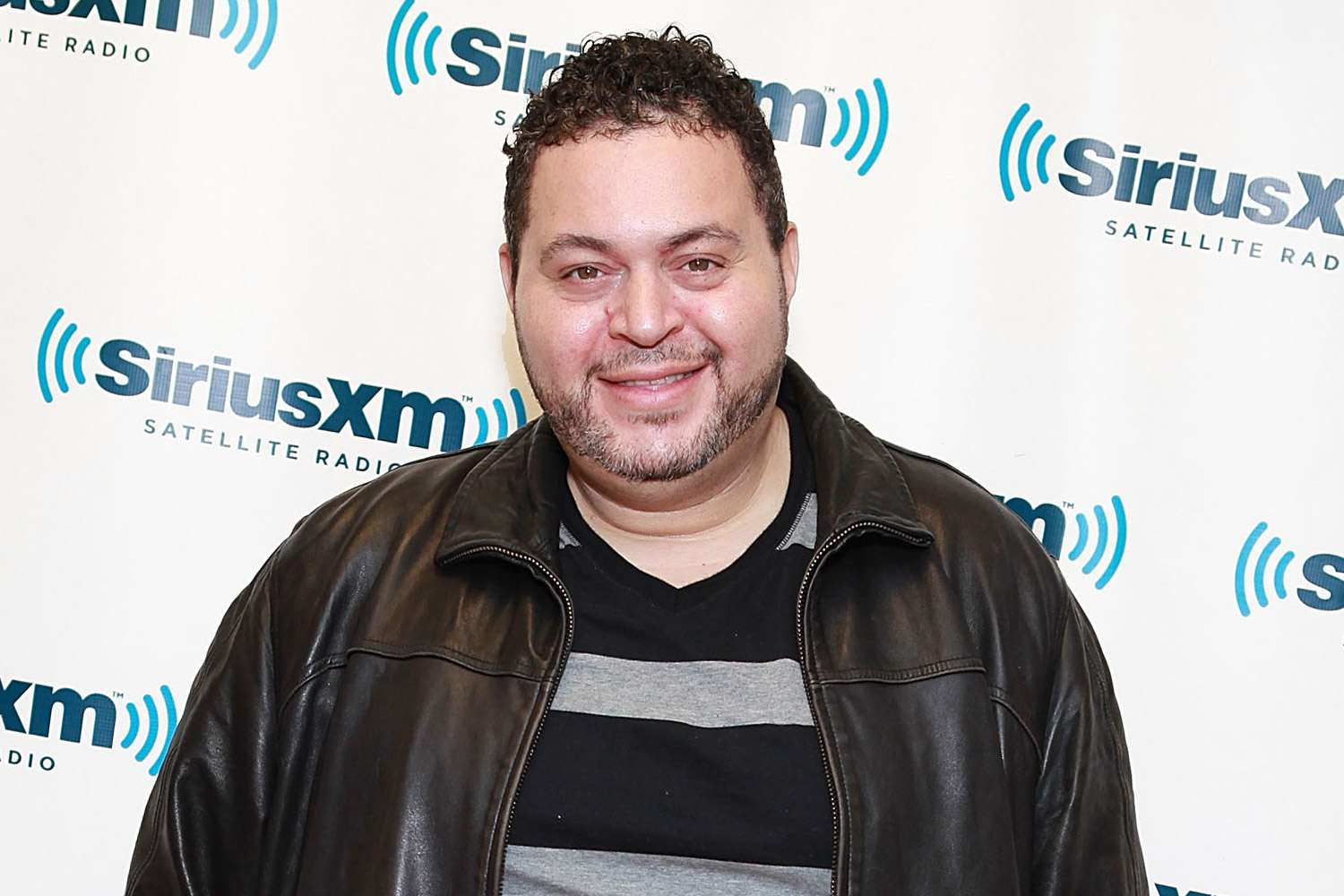
Mark Anthony Morales, better known as Prince Markie Dee, was a trailblazer who left an indelible mark on hip-hop culture. As a founding member of The Fat Boys, he helped define the sound of 1980s rap, bringing humor and creativity into the mainstream.
His talent extended far beyond rap-Markie Dee became a renowned songwriter, producer, and radio host, contributing to the success of artists like Mary J. Blige, Jennifer Lopez, and Mariah Carey.
More than just a musician, Prince Markie Dee’s influence was deeply felt across multiple sectors of entertainment, and his legacy continues to inspire generations of artists today.
This article delves into his rise to fame, his pivotal role in shaping hip-hop culture, his personal challenges, and the lasting legacy he leaves behind.
Early Life And Formation Of The Fat Boys
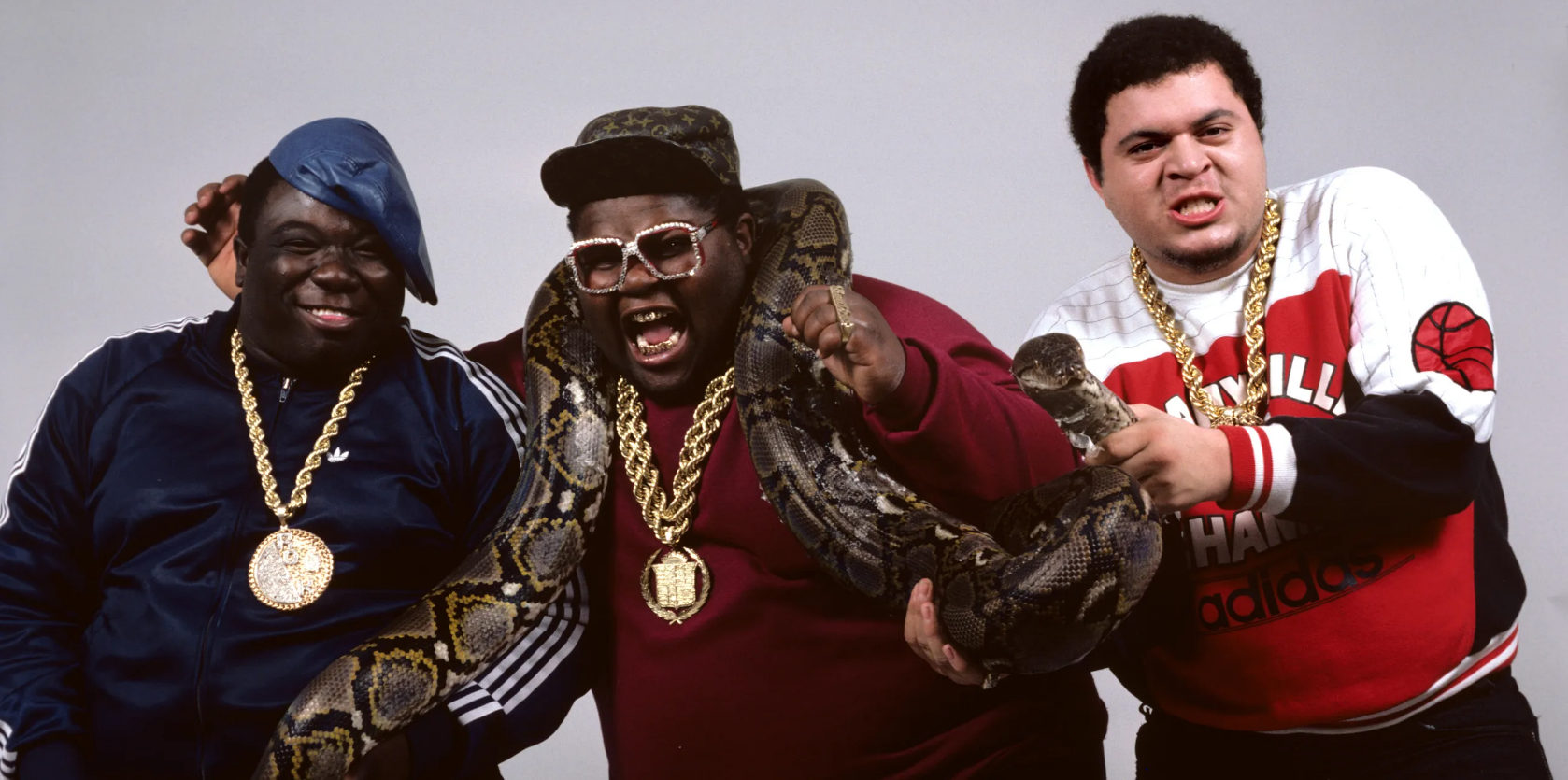
Prince Markie Dee, born Mark Anthony Moraleson February 19, 1968, in Brooklyn, New York, grew up in a culturally diverse neighborhood where music was a constant presence.
Along with childhood friends Darren Robinson (The Human Beatbox)and Damon Wimbley (Kool Rock Ski), he formed the group known as The Disco 3in the early 1980s.
Their early passion for beatboxing and freestyle rap led them to enter a talent contest at Radio City Music Hallin 1983, which they won. This victory was the launchpad for their careers.
Kurtis Blow, one of the first hip-hop superstars, mentored the group, helping them navigate the early days of their career. Under his guidance, and with the help of Russell Simmons, they transformed into The Fat Boys-a name that would become synonymous with 1980s hip-hop.
The group embraced their playful personas and their size, creating a unique identity that set them apart in a genre still finding its footing. The early association with figures like Blow and Simmons helped propel them to stardom, giving them the credibility they needed to rise in the industry.
| Event | Impact on Career |
| Formation of The Disco 3 | Laid the groundwork for future success as The Fat Boys |
| Win at Radio City Music Hall | Launched their careers, gaining industry attention |
| Mentorship by Kurtis Blow | Gained valuable industry connections and guidance |
The Rise And Success Of The Fat Boys
The Fat Boysquickly became household names, thanks to their comedic style, beatboxing, and unique approach to hip-hop. Their debut self-titled album, released in 1984, introduced them to a broad audience, earning gold certification.
By blending rap with humorand a unique use of beatboxing, they captured a segment of hip-hop that hadn’t yet been explored—entertaining while innovating.
Their next album, “The Fat Boys Are Back”(1985), built on this success, and by 1987, their fourth album, “Crushin’,”achieved platinum status, making them one of the few hip-hop groups to reach such heights.
Their collaboration with The Beach Boyson the hit single “Wipeout”marked their crossover into mainstream music, reaching number 12 on the Billboard Hot 100.
Video unavailable
This video is unavailable: Original link to video
The group also ventured into film, starring in movies like Krush Groove (1985)and Disorderlies(1987). These appearances broadened their appeal and helped cement their status as pop culture icons of the 1980s.
Their humor and larger-than-lifepersonalities made them relatable to audiences far beyond the traditional hip-hop scene.
| Album | Details |
| Fat Boys | 1984, Gold, Key Single: "Jail House Rap" |
| The Fat Boys Are Back | 1985, Gold, Key Single: "The Fat Boys Are Back" |
| Crushin’ | 1987, Platinum, Key Single: "Wipeout" (feat. The Beach Boys) |
| On and On | 1989, No Certification, Key Single: "On and On" |
Questlove, in reflecting on their impact, said, "They were figuratively (no weight jokes) the biggest act in hip-hop at some point in time... They explored territories for the first time that today just seems like yawna Tuesday."
The Fat Boys’ ability to blend humor with hip-hop not only entertained but also pushed the boundaries of the genre, helping it gain mainstream recognition.
Solo Career And Breakthrough
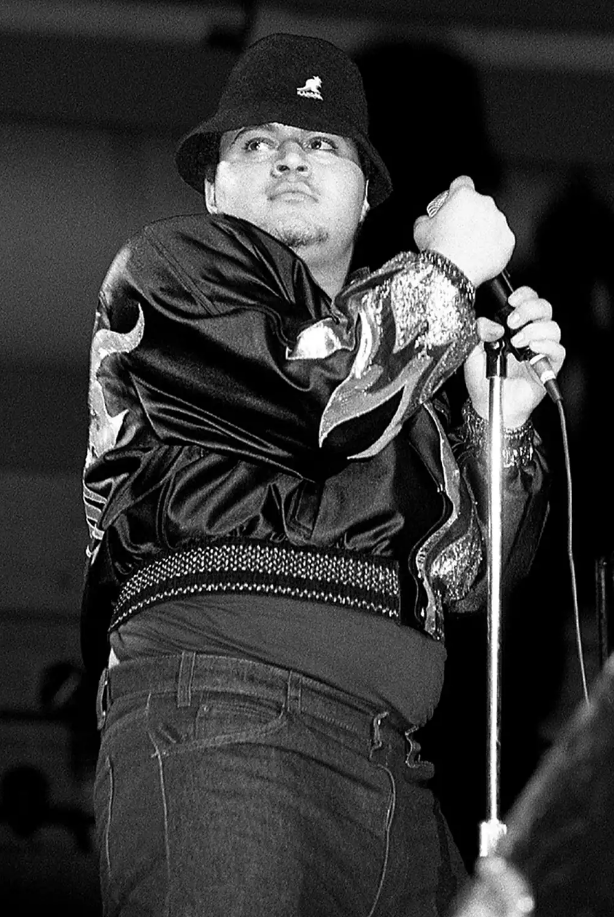
After the disbandment of The Fat Boysin the early 1990s, Prince Markie Dee launched a successful solo career, allowing him to explore new musical directions.
His debut album, "Free"(1992), featured the hit single “Typical Reasons (Swing My Way)”, which topped the Billboard Hot Rap Singleschart.
This marked a significant evolution from his earlier work with The Fat Boys, as his solo music leaned more heavily into R&Band explored more personal and mature themes.
In 1995, he released his second album, "Love Daddy,"under Motown Records, further solidifying his place as a solo artist.
While this album didn’t achieve the same commercial success as his debut, it showcased his versatility and ability to blend new jack swingwith rap, proving that Prince Markie Dee was capable of reinventing himself artistically.
Watch Swing My Way - solo of Prince Markie Dee:
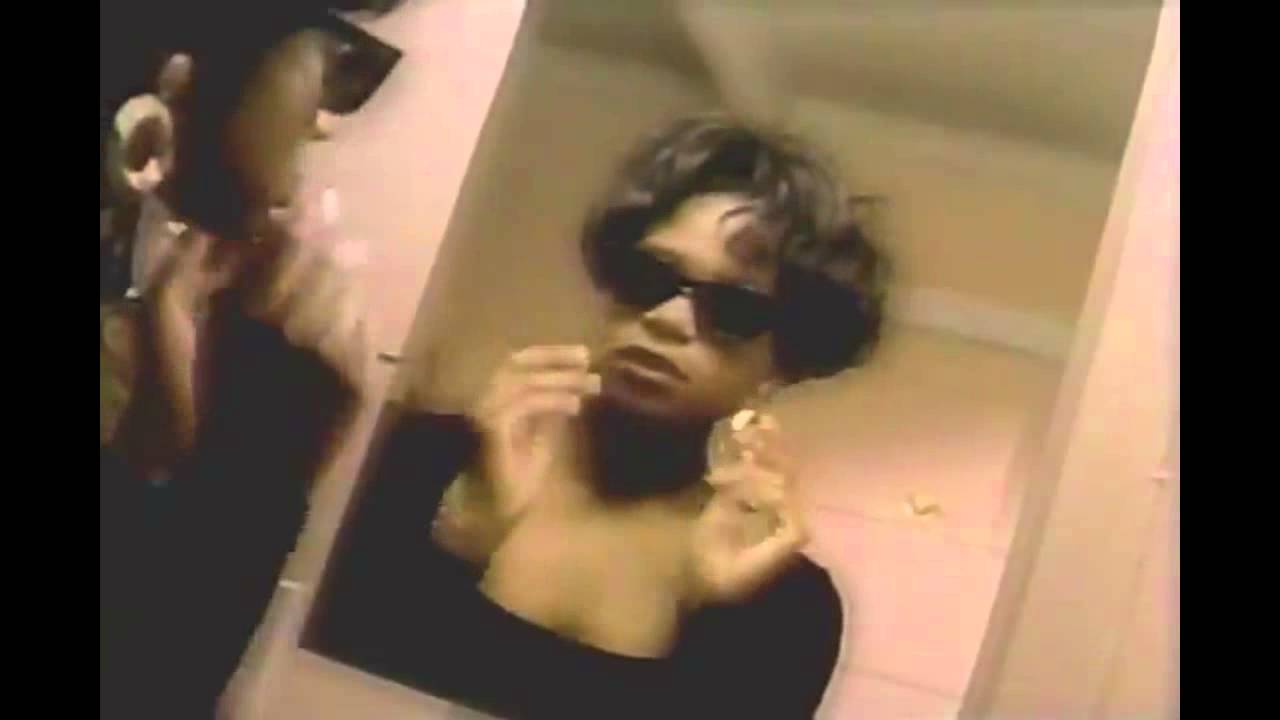
Prince Markie Dee Soul Connection - Typical Reason (Swing My Way) (1992) - YouTube
Prince Markie Dee As A Producer And Songwriter
One of the lesser-known but incredibly impactful aspects of Prince Markie Dee’s career was his work as a producer and songwriter.
After stepping away from the spotlight, he co-founded the production company Soul Conventionand began working with some of the biggest names in music.
His production work on Mary J. Blige’sdebut album, “What’s the 411?”, was a defining moment in R&B history, helping to shape the sound of hip-hop soul.
His co-writing and production on Blige’s hit single “Real Love”demonstrated his ability to craft chart-topping hits.
Beyond Blige, Prince Markie Dee worked with artists such as Jennifer Lopez, Craig Mack, and Mariah Carey, contributing to some of the most iconic tracks of the 1990s. His transition from rapper to successful producer highlights his versatility and talentin navigating multiple facets of the music industry.
| Artist | Song/Album & Role |
| Mary J. Blige | "Real Love" – Co-writer/Producer |
| Jennifer Lopez | Various Tracks – Producer |
| Craig Mack | "Flava in Ya Ear" – Producer |
| Mariah Carey | Various Tracks – Producer |
Challenges, Personal Struggles, And Growth
Behind the scenes, Prince Markie Dee faced significant personal challenges. Throughout his career, his struggles with weightand self-imagewere a defining element of his public persona, particularly during his time with The Fat Boys.
This struggle was compounded by the pressures of maintaining a public image in an increasingly competitive industry.
One of the greatest emotional tolls came with the death of Darren Robinson (The Human Beatbox)in 1995. His loss marked the end of an era for The Fat Boys and deeply affected Markie Dee, who had shared a close personal and professional bond with Robinson.
Despite these challenges, Markie Dee persevered, channeling his energy into production and, later, into radio hosting. His ability to reinvent himself and remain a significant figure in hip-hop speaks to his resilience and dedication to the music industry.
Radio Career And Late Years
After stepping away from the spotlight as a rapper and producer, Prince Markie Deefound a new path in radio. In 2008, he became the afternoon drive radio host at 103.5 The Beat WMIBin Miami, a station known for promoting both old-school and contemporary hip-hop.
His personality and wealth of experience in the music industry made him an engaging host, and listeners quickly connected with his insights and stories from hip-hop's golden age.
Later, he moved to SiriusXM’s Rock the Bells Radio, a station dedicated to classic hip-hop, where he hosted The Prince Markie Dee Show. His show became a platform for celebrating hip-hop historywhile also showcasing newer artists who were following in the footsteps of pioneers like him.
His role on the radio helped bridge the gap between old-school hip-hopand younger generations of fans, cementing his legacy as a cultural ambassador.
Cultural Impact Of Prince Markie Dee
As one of the first Latino stars in hip-hop, Prince Markie Dee broke down barriers for Latino representationin the genre. At a time when hip-hop was primarily dominated by African American artists, his success with The Fat Boyshelped broaden the cultural diversity within the genre.
His influence was felt not only in his music but also in the way he represented the Puerto Rican communityin a rapidly growing musical movement.
Beyond his own contributions, The Fat Boyshelped change the perception of hip-hop by making it more accessible and relatable to mainstream audiences. Their lighthearted approach, comical lyrics, and willingness to embrace their personalities allowed them to connect with fans outside of hip-hop’s core urban base.
Their success proved that hip-hop could appeal to a broad demographic, paving the way for the genre’s future dominance in popular culture.
| Cultural Contributions | Impact |
| Latino Representation in Hip-Hop | Opened doors for future Latino hip-hop artists |
| Mainstream Accessibility of Hip-Hop | Helped hip-hop become more relatable and widely accepted |
| Humor in Hip-Hop | Demonstrated that hip-hop could embrace fun and humor |
Quotes from Peers:
- Questlove: “The Fat Boys explored territories for the first time that today just seems like yawna Tuesday.”
- Eminem: “One of my childhood idols & favorite MC's of all time.”
Evolution Of Prince Markie Dee’s Music And Sound

Prince Markie Dee’s musical journey is a testament to his versatility as an artist. Starting with The Fat Boys, his music was characterized by high-energy, beatboxing-driven tracks that combined humor and fun.
The group’s playful style was innovative for the time, blending rap with entertaining performances that attracted fans from all walks of life.
As he transitioned into his solo career, Markie Dee began exploring deeper and more mature themes, often blending R&B and hip-hopin ways that hadn’t been done before.
His production work on Mary J. Blige’sdebut album, “What’s the 411?”, played a key role in shaping the emerging genre of hip-hop soul, which combined the rawness of rap with the smooth melodies of R&B.
| Music Evolution Timeline | Key Sound/Style |
| The Fat Boys Era | Beatboxing, comedic rap, lighthearted themes |
| Solo Career (1990s) | R&B influence, personal themes, more mature sound |
| Producer (1990s) | Hip-hop soul, blending rap with R&B |
Full Discography
With The Fat Boys:
- Fat Boys(1984) – The debut album that introduced their unique blend of humor and beatboxing, certified gold.
- The Fat Boys Are Back(1985) – Continued their rise with more comedic hits, further solidifying their place in hip-hop.
- Big & Beautiful(1986) – Another gold-certified album that kept them at the top of the charts.
- Crushin’(1987) – Achieved platinum status, featuring the hit “Wipeout”with The Beach Boys.
- Coming Back Hard Again(1988) – Continued their chart-topping success with more playful tracks.
- On and On(1989) – A departure into more experimental sounds, but less successful commercially.
- Mack Daddy(1991) – Their final album before disbanding.
Solo:
- Free(1992) – Markie Dee’s solo debut, featuring the hit single “Typical Reasons (Swing My Way),”which topped the Billboard Hot Rap Singles chart.
- Love Daddy(1995) – His second album, blending R&B and hip-hop elements with a more mature sound.
Full Filmography
- Krush Groove(1985) – A film that chronicled the rise of hip-hop in New York, featuring The Fat Boys alongside other rap legends.
- Knights of the City(1986) – Another venture into film, blending music and street culture themes.
- Disorderlies(1987) – A comedy that further showcased The Fat Boys’ charismatic appeal and crossover potential into mainstream entertainment.
Tributes And The Impact Of His Passing
Prince Markie Dee passed away on February 18, 2021, one day before his 53rd birthday. Tributes poured in from the hip-hop community, with figures like Questlove, Eminem, and El-Pexpressing their sorrow over his loss and their admiration for his contributions to hip-hop.
His passing marked the end of an era, but his influence on music, particularly in hip-hop and R&B, will endure for generations to come.

The Fat Boys’ Prince Markie Dee Dead at 52 | RS News 2/19/21
FAQs About Prince Markie Dee
What Was Prince Markie Dee’s Real Name?
Prince Markie Dee was born Mark Anthony Moraleson February 19, 1968, in Brooklyn, New York. His stage name became synonymous with The Fat Boys, one of hip-hop’s most iconic groups.
What Did Prince Markie Dee Contribute To Hip-hop Culture?
Prince Markie Dee helped bring humor, creativity, and beatboxinginto mainstream hip-hop as a founding member of The Fat Boys. His work as a producer and songwriter also played a significant role in shaping hip-hop souland blending rap with R&B.
What Was Prince Markie Dee’s Biggest Solo Hit?
His biggest solo hit was “Typical Reasons (Swing My Way),”a single from his debut album “Free”that reached No. 1 on the Billboard Hot Rap Singleschart.
What Movies Did The Fat Boys Appear In?
The Fat Boys starred in several popular films, including Krush Groove(1985), Knights of the City(1986), and Disorderlies(1987), where their comedic style and musical talent shone on the big screen.
How Did Prince Markie Dee Pass Away?
Prince Markie Dee passed away on February 18, 2021, in Miami, Florida, from congestive heart failure, just one day before his 53rd birthday. His passing left a significant void in the hip-hop community.
Conclusion
Prince Markie Dee’s legacy is defined by his versatility, his pioneering role as a Latino artist in hip-hop, and his contributions to shaping hip-hop soul.
Whether through his work with The Fat Boys, his solo career, or his time as a producer and radio host, his influence continues to resonate in hip-hop today.
His ability to transition from performer to producer and finally to radio hostshows the depth of his talent and his commitment to evolving with the music industry.
He will forever be remembered as a pioneer who helped make hip-hop accessible, relatable, and enduring.
Jump to
Early Life And Formation Of The Fat Boys
The Rise And Success Of The Fat Boys
Solo Career And Breakthrough
Prince Markie Dee As A Producer And Songwriter
Challenges, Personal Struggles, And Growth
Radio Career And Late Years
Cultural Impact Of Prince Markie Dee
Evolution Of Prince Markie Dee’s Music And Sound
Full Discography
Full Filmography
Tributes And The Impact Of His Passing
FAQs About Prince Markie Dee
Conclusion

Suleman Shah
Author
Suleman Shah is a researcher and freelance writer. As a researcher, he has worked with MNS University of Agriculture, Multan (Pakistan) and Texas A & M University (USA). He regularly writes science articles and blogs for science news website immersse.com and open access publishers OA Publishing London and Scientific Times. He loves to keep himself updated on scientific developments and convert these developments into everyday language to update the readers about the developments in the scientific era. His primary research focus is Plant sciences, and he contributed to this field by publishing his research in scientific journals and presenting his work at many Conferences.
Shah graduated from the University of Agriculture Faisalabad (Pakistan) and started his professional carrier with Jaffer Agro Services and later with the Agriculture Department of the Government of Pakistan. His research interest compelled and attracted him to proceed with his carrier in Plant sciences research. So, he started his Ph.D. in Soil Science at MNS University of Agriculture Multan (Pakistan). Later, he started working as a visiting scholar with Texas A&M University (USA).
Shah’s experience with big Open Excess publishers like Springers, Frontiers, MDPI, etc., testified to his belief in Open Access as a barrier-removing mechanism between researchers and the readers of their research. Shah believes that Open Access is revolutionizing the publication process and benefitting research in all fields.

Han Ju
Reviewer
Hello! I'm Han Ju, the heart behind World Wide Journals. My life is a unique tapestry woven from the threads of news, spirituality, and science, enriched by melodies from my guitar. Raised amidst tales of the ancient and the arcane, I developed a keen eye for the stories that truly matter. Through my work, I seek to bridge the seen with the unseen, marrying the rigor of science with the depth of spirituality.
Each article at World Wide Journals is a piece of this ongoing quest, blending analysis with personal reflection. Whether exploring quantum frontiers or strumming chords under the stars, my aim is to inspire and provoke thought, inviting you into a world where every discovery is a note in the grand symphony of existence.
Welcome aboard this journey of insight and exploration, where curiosity leads and music guides.
Latest Articles
Popular Articles