Symptoms Of Lung Cancer: A Comprehensive Guide
Understand the key symptoms of lung cancer, including rare and advanced signs. Get expert tips on when to seek medical attention.
Author:Suleman ShahReviewer:Han JuDec 18, 2024
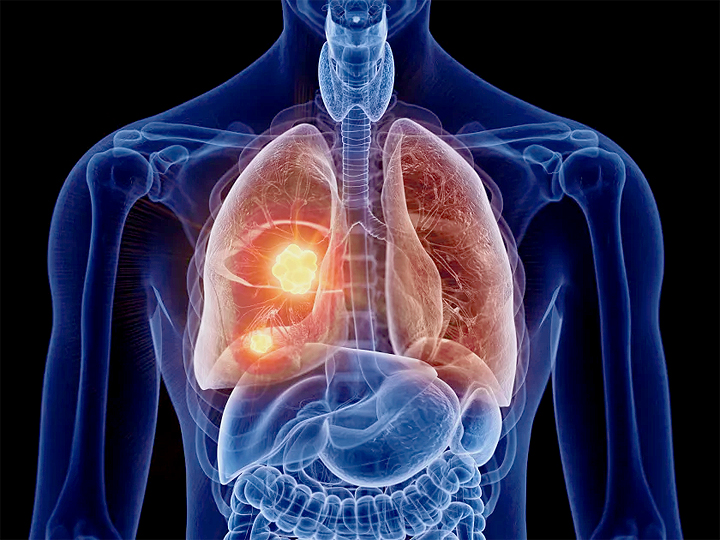
Lung cancer remains one of the most challenging cancers to diagnose in its early stages. Its symptoms often overlap with less serious conditions, leading many to dismiss early warning signs. With lung cancer being a leading cause of cancer deaths worldwide, recognizing its symptoms early is critical for timely detection and treatment.
Early diagnosis can significantly improve outcomes and even save lives.Knowing what to look for and when to act can make all the difference. Persistent coughs, unexplained weight loss, and other subtle signs might seem minor but could indicate serious healthconcerns.
What Is Lung Cancer?
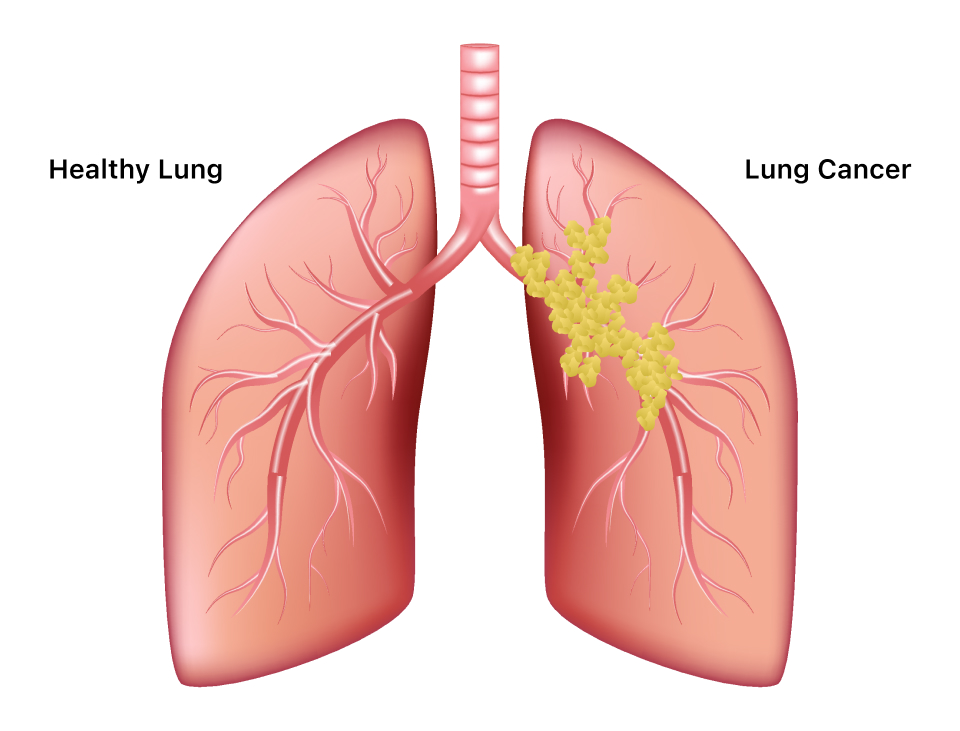
Lung cancer is a condition characterized by the uncontrolled growth of abnormal cells in the lungs, which can interfere with normal respiratory function. There are two primary types:
- Non-small cell lung cancer (NSCLC):The most common type, accounting for about 85% of cases.
- Small cell lung cancer (SCLC):A more aggressive form, often linked to smoking.
Lung cancer often starts as small abnormalities in the lungs, which may not cause symptoms initially but can grow and spread to other parts of the body. Understanding its development is key to recognizing its signs and symptoms.
Early Symptoms Of Lung Cancer
Detecting lung cancer early can be challenging because symptoms are often mild or nonspecific. Here are the most common early signs:
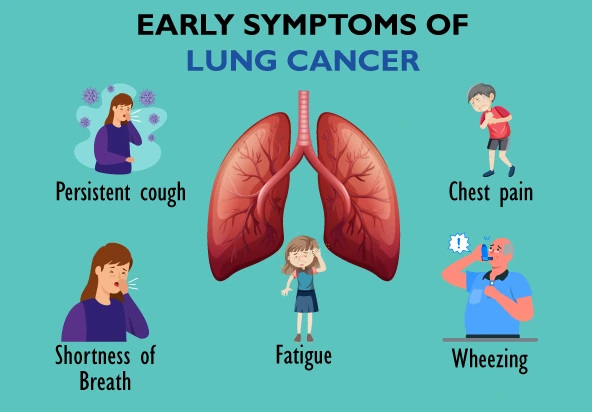
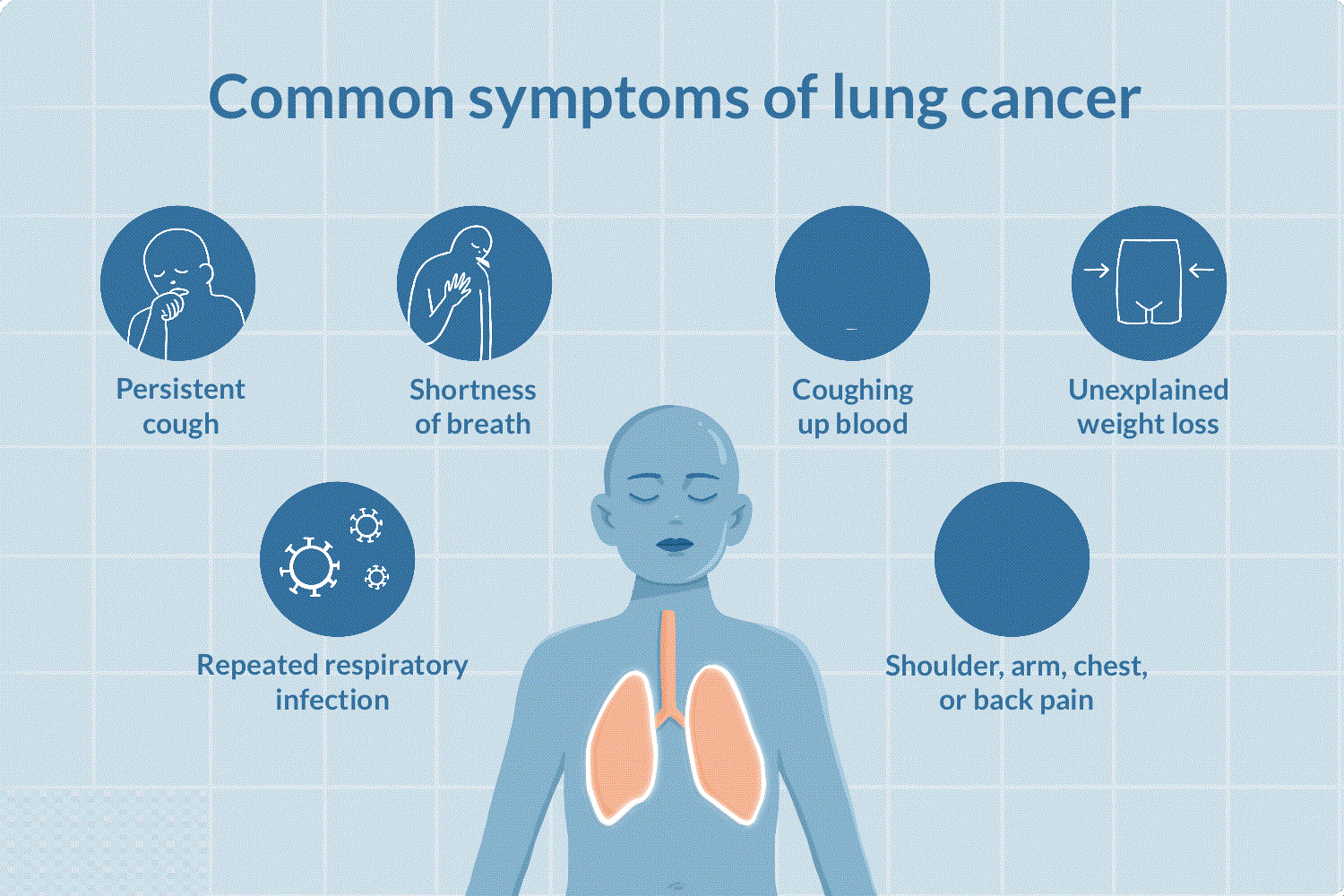
- Persistent cough:A cough that doesn’t improve or worsens over weeks.
- Shortness of breath:Difficulty breathing, especially during physical activities.
- Chest pain:Pain or discomfort in the chest area that may worsen with deep breaths, coughing, or laughing.
- Fatigue:Unexplained exhaustion, even with adequate rest.
- Recurring respiratory infections:Frequent episodes of bronchitis or pneumonia.
- Loss of appetite:A sudden disinterest in food, potentially leading to unintentional weight loss.
- New onset of wheezing:Unusual sounds while breathing that persist over time.
Checklist: Early Symptoms Of Lung Cancer
- Do you have a persistent cough lasting more than three weeks?
- Have you experienced shortness of breath recently, even during light activities?
- Are you feeling unusually tired without a clear reason?
- Have you noticed unexplained weight loss or loss of appetite?
These symptoms may be attributed to other conditions but should not be ignored, especially if they persist.
Advanced Symptoms Of Lung Cancer
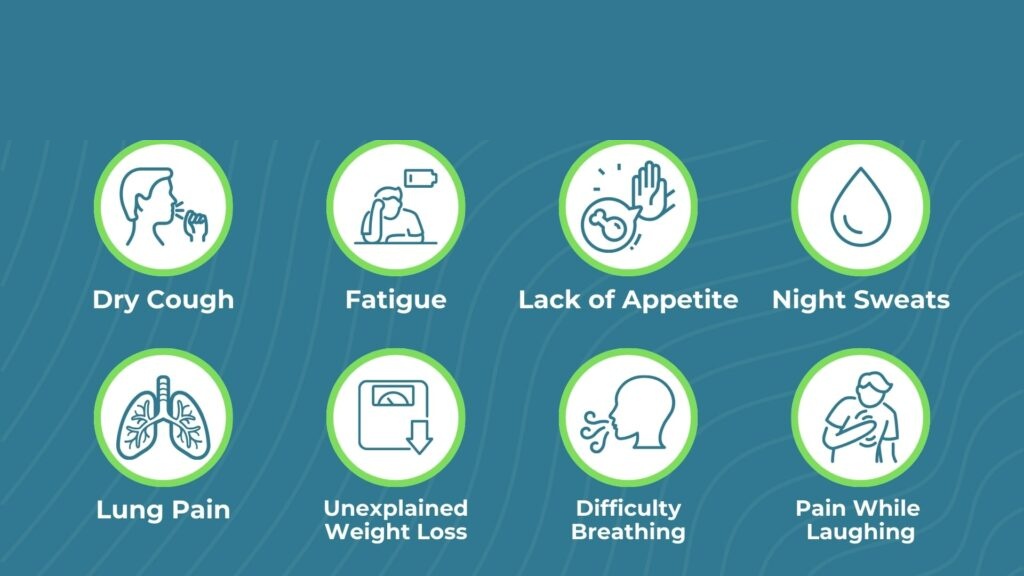
As lung cancer progresses, symptoms often become more severe and widespread, indicating the cancer has spread beyond the lungs. Common advanced symptoms include:
- Bone pain:Aching or sharp pain in the bones, particularly in the back or hips.
- Unexplained weight loss:Sudden loss of weight without changes in diet or activity levels.
- Neurological symptoms:Headaches, dizziness, or seizures, which may suggest metastasis to the brain.
- Swelling in the face or neck:Caused by pressure on blood vessels (e.g., superior vena cava syndrome).
- Blood in sputum:Coughing up blood or rust-colored phlegm.
- Jaundice:Yellowing of the skin and eyes due to spread to the liver.
- Swollen lymph nodes:Enlargement of nodes in the neck or above the collarbone.
- Finger clubbing:Swollen fingers and rounded nails, more common in non-small cell lung cancer.
Advanced symptoms indicate the need for immediate medical evaluation to determine the extent of the disease.
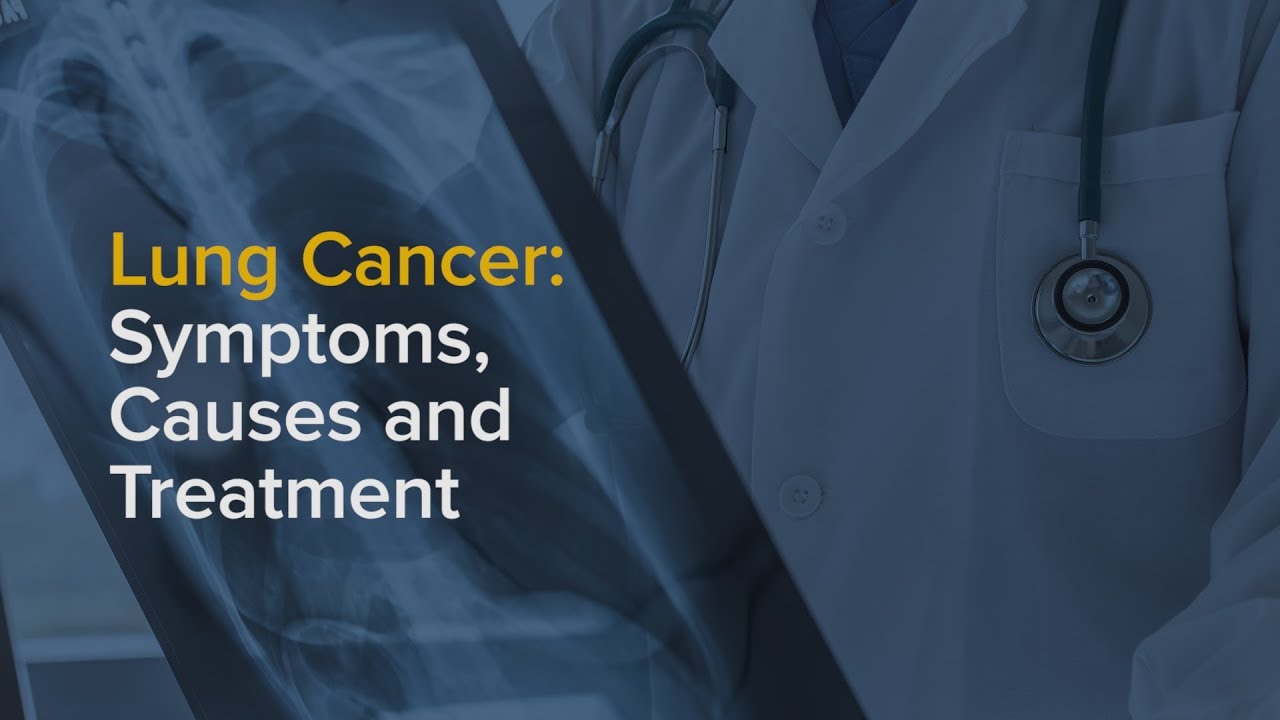
Lung Cancer - Symptoms, Causes and Treatment Options | UC Davis Health
Syndromes Associated With Lung Cancer
Certain types of lung cancer cause specific syndromes that result in unique groups of symptoms. These include:
Horner Syndrome
- Drooping or weakness of one upper eyelid.
- A smaller pupil on the same side of the face.
- Little or no sweating on the same side of the face.
- Severe shoulder pain caused by tumors in the upper part of the lungs (Pancoast tumors).
Superior Vena Cava Syndrome
Tumors near the upper right lung can press on the superior vena cava (SVC), causing:
- Swelling in the face, neck, arms, and upper chest (bluish-red skin color).
- Trouble breathing.
- Headaches, dizziness, or changes in consciousness if the brain is affected.
Paraneoplastic Syndromes
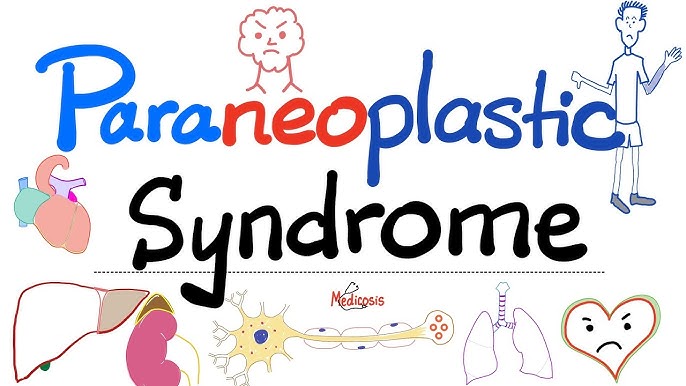
Lung cancers can produce hormone-like substances or trigger the immune systemto attack healthy tissues. Examples include:
- SIADH (Syndrome of Inappropriate Anti-Diuretic Hormone):Symptoms include fatigue, nausea, confusion, and seizures caused by low sodium levels.
- Cushing Syndrome:Weight gain, easy bruising, high blood pressure, and high blood sugar levels caused by overproduction of cortisol.
- Hypercalcemia:Frequent urination, nausea, and confusion caused by high calcium levels in the blood.
- Lambert-Eaton Syndrome:Muscle weakness and trouble walking caused by immune attacks on nerves.
- Neurological Effects:Memory loss, personality changes, and mood swings due to the immune system attacking parts of the brain (e.g., limbic encephalitis).
These syndromes may sometimes be the first indication of lung cancer and require immediate evaluation.
Unique Or Less Common Symptoms
Lung cancer can also present with rarer symptoms that are often misdiagnosed as other conditions:
- Hoarseness:Changes in the voice, such as a raspy or weak tone, due to pressure on the vocal cords.
- Swelling in the arms or neck:Caused by restricted blood flow from the upper body.
- Hypertrophic Pulmonary Osteoarthropathy (HPOA):Pain and swelling in the joints.
Recognizing these symptoms early can help in diagnosing lung cancer before it progresses.
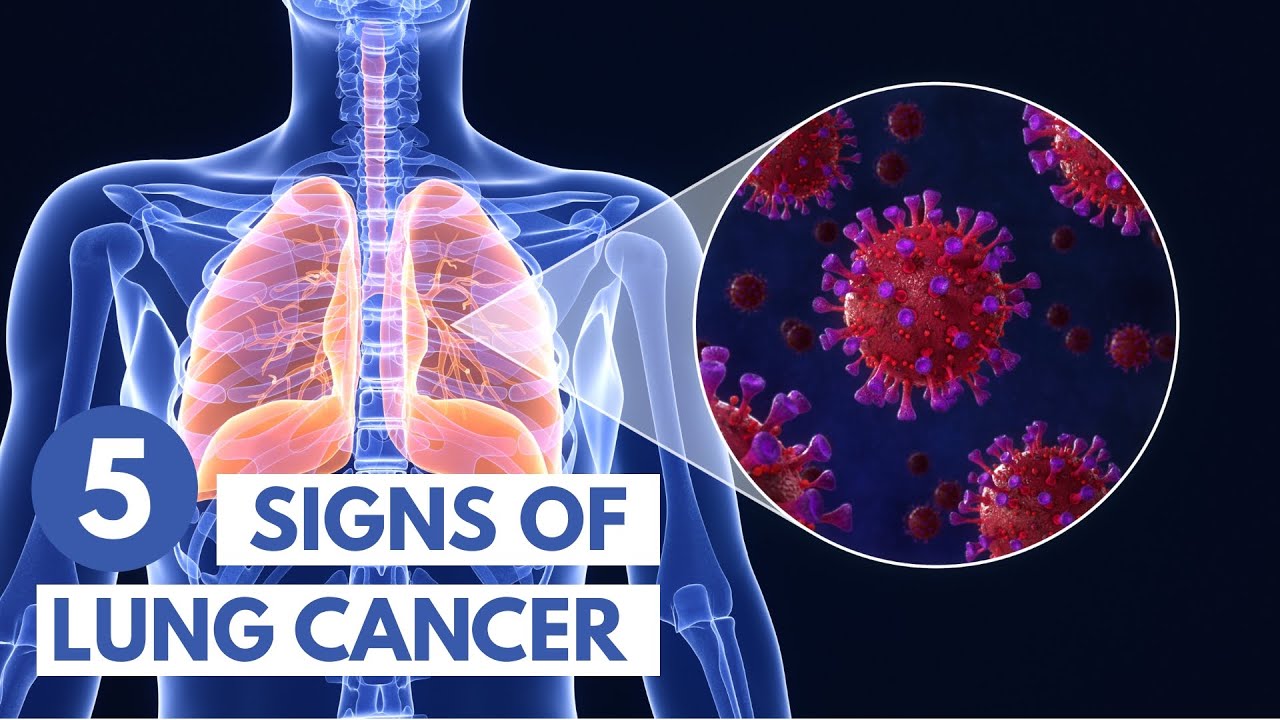
5 Signs of Lung Cancer | 3D Animation
Risk Factors And Their Role In Symptom Development
Certain risk factors increase the likelihood of developing lung cancer and experiencing related symptoms. Key risk factors include:
- Smoking:The leading cause, responsible for about 80-90% of cases.
- Exposure to radon:A naturally occurring gas linked to increased lung cancer risk.
- Air pollution:Long-term exposure to polluted air, especially in urban areas.
- Family history:A genetic predisposition to lung cancer.
- Occupational exposure:Contact with asbestos, arsenic, or other carcinogens.
Prevention Tips
- Test your home for radon levels.
- Avoid exposure to secondhand smoke and industrial pollutants.
- Wear protective gear if working with hazardous materials.
- Seek regular health screenings if at high risk.
When To Seek Medical Attention

If you notice any of the symptoms mentioned especially if they persist or worsen consulting a healthcare professional is essential. Diagnostic tests commonly used include:
- Chest X-rays:To identify abnormalities in the lungs.
- CT scans:Detailed imaging to detect small tumors or growths.
- Biopsy:Removing a sample of tissue for laboratory analysis.
Quick Tips For Medical Visits
- Keep a log of symptoms to discuss with your doctor.
- Ask about low-dose CT scans if you are a high-risk individual.
- Don’t hesitate to seek a second opinion if necessary.
Prompt action can make a significant difference in outcomes, as early-stage lung cancer is often more treatable.
You Might Like: Dream About Alien Invasion? Here’s What It Really Means
FAQs About Symptoms Of Lung Cancer
How Can I Differentiate Between A Persistent Cough And A Lung Cancer Symptom?
A persistent cough lasting more than three weeks, especially if it worsens or produces blood, should be evaluated by a doctor. It’s better to err on the side of caution.
Are There Symptoms Unique To Non-smokers With Lung Cancer?
Non-smokers may experience similar symptoms to smokers but are less likely to attribute them to lung cancer, potentially delaying diagnosis. Environmental factors often play a larger role in these cases.
Can Lung Cancer Be Asymptomatic?
Yes, lung cancer can be asymptomatic in its early stages, which is why regular screenings are important for high-risk individuals.
Do Lung Cancer Symptoms Differ Between Men And Women?
While the symptoms are largely similar, studies suggest that women may experience more respiratory symptoms like shortness of breath earlier than men.
What Are The First Symptoms Seen In Young Adults With Lung Cancer?
Young adults may experience subtle signs like fatigue, a mild cough, or chest discomfort, which are often mistaken for less severe conditions.
What Are Paraneoplastic Syndromes, And How Are They Related To Lung Cancer?
These are syndromes where lung cancer triggers hormone-like effects or immune responses, causing symptoms like muscle weakness, hormonal imbalances, or neurological issues.
Conclusion
Recognizing the symptoms of lung cancerearly can significantly improve treatment options and survival rates. By understanding the early and advanced signs, as well as associated syndromes, individuals can take proactive measures to consult healthcare providers and undergo necessary screenings. Acting promptly when symptoms arise can be a life-saving decision.
Jump to

Suleman Shah
Author
Suleman Shah is a researcher and freelance writer. As a researcher, he has worked with MNS University of Agriculture, Multan (Pakistan) and Texas A & M University (USA). He regularly writes science articles and blogs for science news website immersse.com and open access publishers OA Publishing London and Scientific Times. He loves to keep himself updated on scientific developments and convert these developments into everyday language to update the readers about the developments in the scientific era. His primary research focus is Plant sciences, and he contributed to this field by publishing his research in scientific journals and presenting his work at many Conferences.
Shah graduated from the University of Agriculture Faisalabad (Pakistan) and started his professional carrier with Jaffer Agro Services and later with the Agriculture Department of the Government of Pakistan. His research interest compelled and attracted him to proceed with his carrier in Plant sciences research. So, he started his Ph.D. in Soil Science at MNS University of Agriculture Multan (Pakistan). Later, he started working as a visiting scholar with Texas A&M University (USA).
Shah’s experience with big Open Excess publishers like Springers, Frontiers, MDPI, etc., testified to his belief in Open Access as a barrier-removing mechanism between researchers and the readers of their research. Shah believes that Open Access is revolutionizing the publication process and benefitting research in all fields.

Han Ju
Reviewer
Hello! I'm Han Ju, the heart behind World Wide Journals. My life is a unique tapestry woven from the threads of news, spirituality, and science, enriched by melodies from my guitar. Raised amidst tales of the ancient and the arcane, I developed a keen eye for the stories that truly matter. Through my work, I seek to bridge the seen with the unseen, marrying the rigor of science with the depth of spirituality.
Each article at World Wide Journals is a piece of this ongoing quest, blending analysis with personal reflection. Whether exploring quantum frontiers or strumming chords under the stars, my aim is to inspire and provoke thought, inviting you into a world where every discovery is a note in the grand symphony of existence.
Welcome aboard this journey of insight and exploration, where curiosity leads and music guides.
Latest Articles
Popular Articles