Unstable Footwear – How Does It Affect Trunk Muscle Electromyography And Postural Sway In Healthy Adults?
According to preliminary research, unstable footwear may be helpful for back discomfort.
Author:Suleman ShahReviewer:Han JuJun 17, 2022
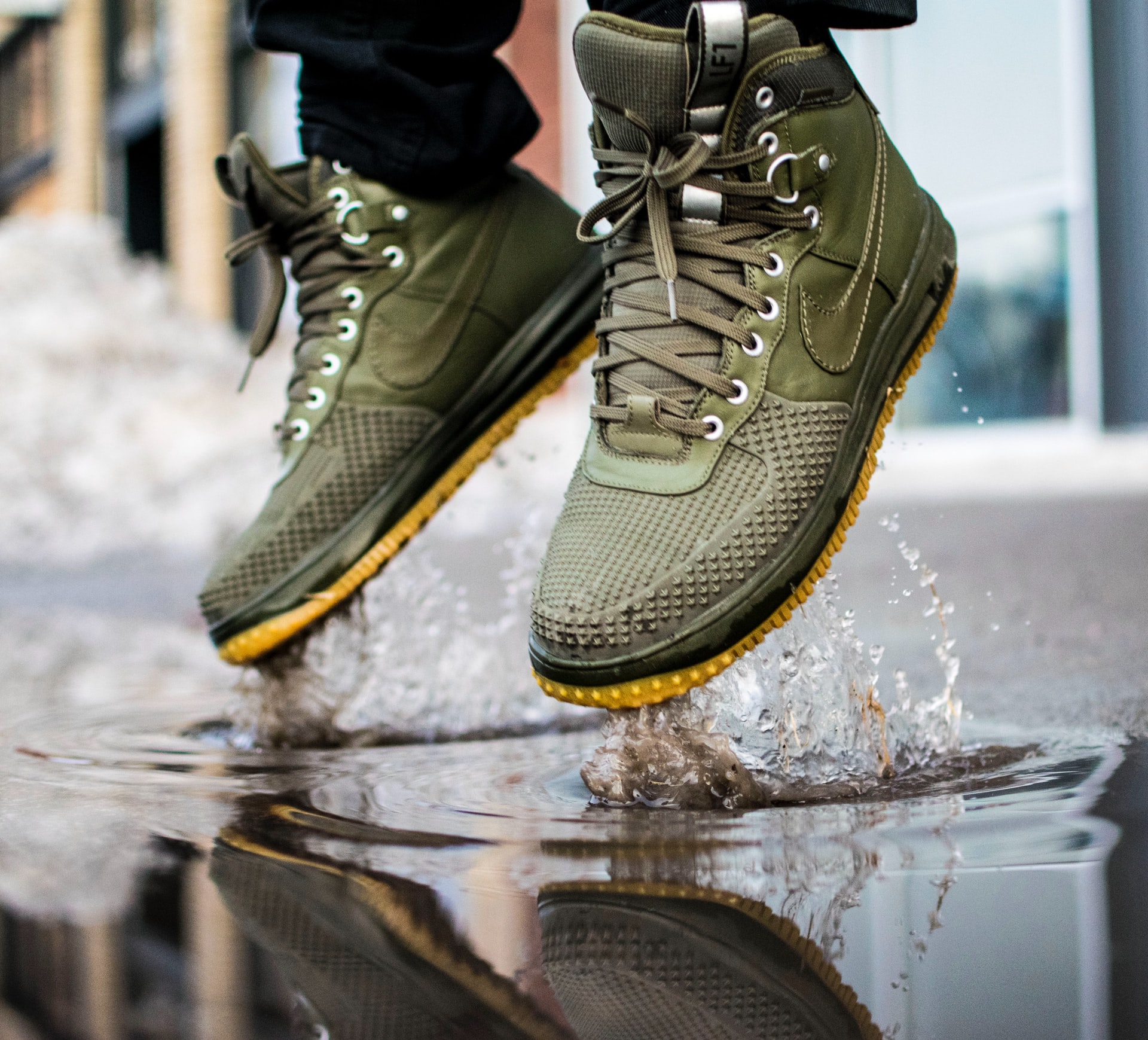
It has been suggested that the impact is mediated by testing balance, which causes an increase in core stabilizing muscle activation.
However, no research has been conducted to assess the impact of unstable footwear on core muscle activation.
What Is Unstable Footwear?
Unstable footwear is characterized by a sole structure that is either curved or uneven and is intended to test the wearer's ability to maintain their balance. Many different firms are responsible for the production of unstable footwear. The firm MBT (Masai Marketing and Trading AG, Switzerland) kindly supplied the unstable footwear that was used for the purpose of this investigation (Figure 1). Kimondo (for men) and Fora (for ladies) were the unique models of MBT shoes that were worn (for women). To meet the various participants' foot sizes, there was a wide selection of sizes available to choose from.
Postural Sway
Previous study has shown that wearing unstable footwear might enhance postural sway. As a result, insecure footwear causes instability. However, it does not seem that any change in trunk muscular activity accommodates this instability. Importantly, this bipedal balancing test would not have been very difficult for participants, and the ankle technique would have been the main postural control mechanism.
As a result, wearing these shoes during more strenuous duties may have an influence on the trunk muscles. Some research suggests that wearing unstable footwear increases muscular activation in the foot and lower leg.
As a result, rather than the trunk muscles, it is probable that in this investigation, these lower limb muscles accommodated the instability caused by unstable shoes. Other research, however, imply that wearing unstable footwear has no effect on lower limb muscle activity, therefore this cannot be proven.
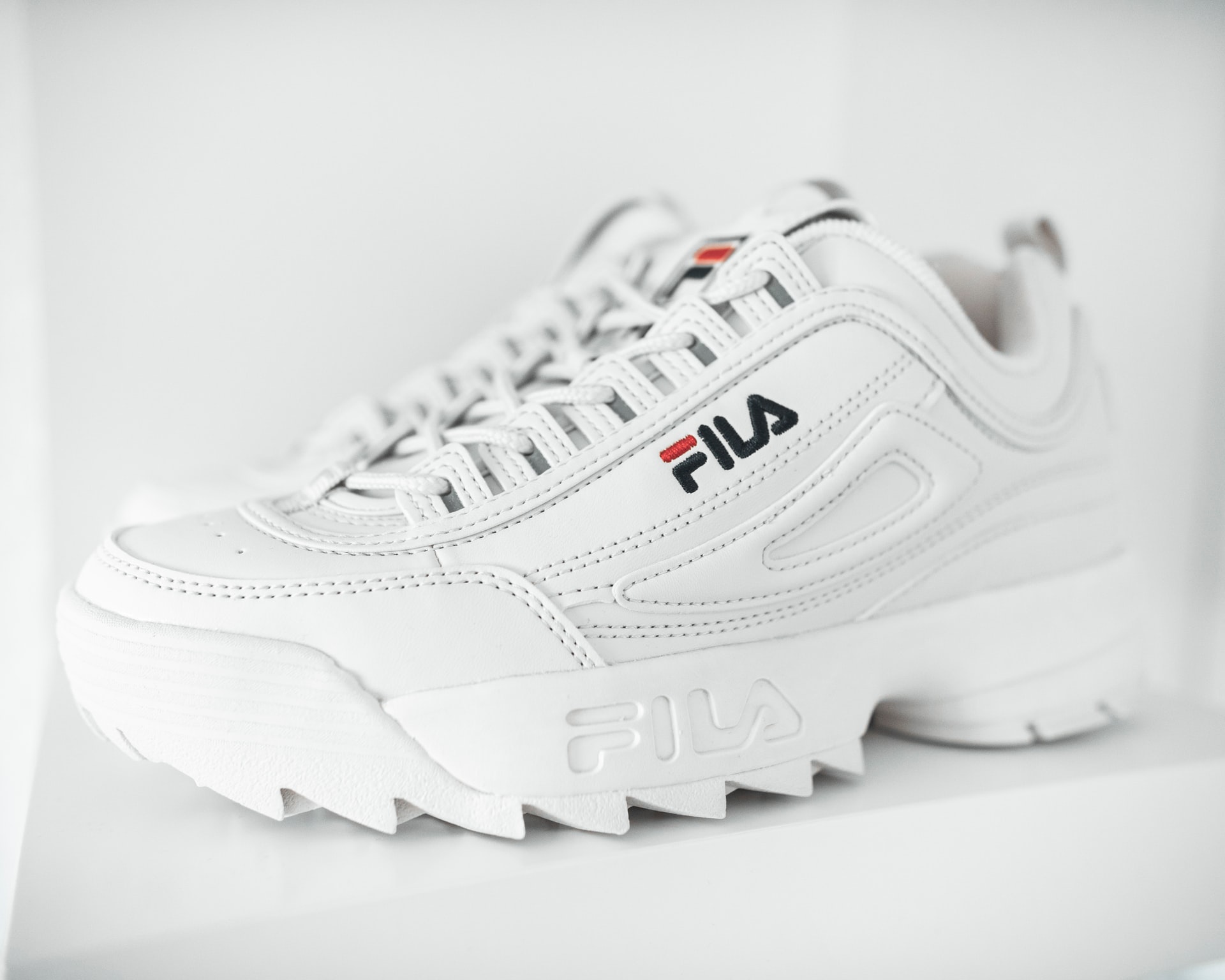
Unstable Footwear Are Beneficial For Low Back Pain
There is tentative evidence that unstable footwear may be useful for low back pain, and this effect may have been achieved by increased trunk muscular activity. The present research revealed no indication that unstable footwear increases muscular activity, indicating that any beneficial benefits of unstable footwear on low back pain may be mediated by mechanisms other than core muscle training effects. It is plausible, however, that unstable footwear impacts core muscle activity timing patterns rather than total activity levels, and additional research into the effects of unstable footwear on trunk muscle timing is necessary. Furthermore, since the participants in this research were healthy people with no historyof low back pain, their trunk muscle activation was unlikely to be aberrant. If the trial was performed with subjects suffering from low back discomfort and lacking in trunk muscular activation, unstable shoes might have influenced muscle activity.
Can Unstable Surfaces Increase Trunk Muscle Activity?
When doing core muscle activities on a stable surface vs an unstable surface, it has been hypothesized that unstable surfaces may boost trunk muscle activation, which contradicts certain other results. One possible explanation is that the amount of instability provided by unstable footwear is smaller than that imparted by equipment like Swiss balls and wobble boards. If unstable shoes caused more imbalance, it may have an influence on core muscle activation, but this would have to be balanced against considerations of safety, comfort, function, and so on. It is possible that a quiet bipedal stance does not maximize the imbalance potential of unstable shoes, and that greater imbalance was created by performing dynamic tasks, such as walking, or activities of daily living in which the center of mass frequently moves outside the base of support, allowing the rollover MBT sole to be used to a greater extent.
People Also Ask
How Footwear Affects Balance?
In healthy young adult men, wearing a sandal vs bare feet substantially increased postural sway and decreased stability. However, wearing a regular shoe vs bare feet had no significant effect on standing balance scores.
How Can I Make My Shoes More Stable?
You may accomplish this fairly by pulling the sides of the shoe into the heel. Well, not too tight in the front. When you lace it, you just make one loop.
What Is An Unstable Shoe?
Walking in the unstable MBT shoe has resulted in biomechanical and neuromuscular modifications, notably at the foot and ankle.
When compared to walking in a more standard stable shoe, healthy people walking in the unstable shoe had a higher dorsiflexed ankle at foot contact and during early stance.
Conclusion
The effects of unstable shoes on trunk muscular activation were compared to those of conventional footwear and barefoot situations.
Although unstable shoes increased postural sway, they had no statistically significant influence on trunk muscle activation.
The concept that unstable footwear might enhance core muscle activity in healthy people is not validated, although further research in clinical groups is necessary.

Suleman Shah
Author
Suleman Shah is a researcher and freelance writer. As a researcher, he has worked with MNS University of Agriculture, Multan (Pakistan) and Texas A & M University (USA). He regularly writes science articles and blogs for science news website immersse.com and open access publishers OA Publishing London and Scientific Times. He loves to keep himself updated on scientific developments and convert these developments into everyday language to update the readers about the developments in the scientific era. His primary research focus is Plant sciences, and he contributed to this field by publishing his research in scientific journals and presenting his work at many Conferences.
Shah graduated from the University of Agriculture Faisalabad (Pakistan) and started his professional carrier with Jaffer Agro Services and later with the Agriculture Department of the Government of Pakistan. His research interest compelled and attracted him to proceed with his carrier in Plant sciences research. So, he started his Ph.D. in Soil Science at MNS University of Agriculture Multan (Pakistan). Later, he started working as a visiting scholar with Texas A&M University (USA).
Shah’s experience with big Open Excess publishers like Springers, Frontiers, MDPI, etc., testified to his belief in Open Access as a barrier-removing mechanism between researchers and the readers of their research. Shah believes that Open Access is revolutionizing the publication process and benefitting research in all fields.

Han Ju
Reviewer
Hello! I'm Han Ju, the heart behind World Wide Journals. My life is a unique tapestry woven from the threads of news, spirituality, and science, enriched by melodies from my guitar. Raised amidst tales of the ancient and the arcane, I developed a keen eye for the stories that truly matter. Through my work, I seek to bridge the seen with the unseen, marrying the rigor of science with the depth of spirituality.
Each article at World Wide Journals is a piece of this ongoing quest, blending analysis with personal reflection. Whether exploring quantum frontiers or strumming chords under the stars, my aim is to inspire and provoke thought, inviting you into a world where every discovery is a note in the grand symphony of existence.
Welcome aboard this journey of insight and exploration, where curiosity leads and music guides.
Latest Articles
Popular Articles